We're loading the full news article for you. This includes the article content, images, author information, and related articles.
The High Court dismisses a petition blocking the Kenya Pipeline privatization, ruling the process constitutional and clearing the way for the government to sell the strategic state asset.
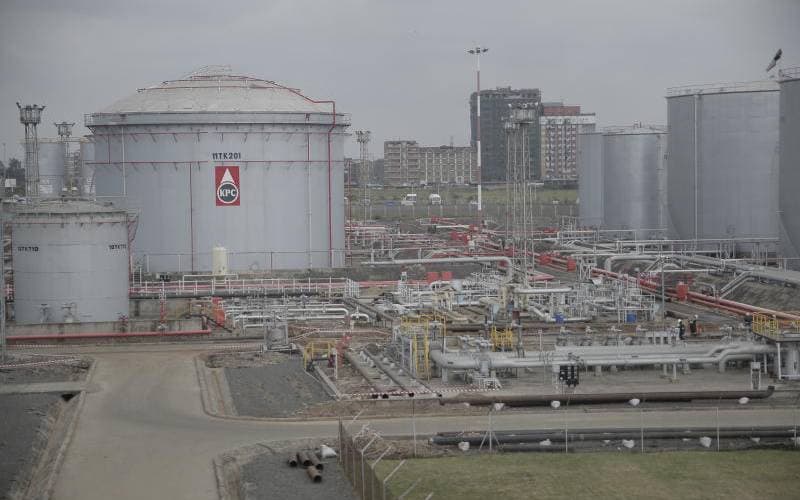
The gavel has fallen, and the state has won. In a landmark ruling that will reshape Kenya’s energy landscape, the High Court has dismissed a petition seeking to block the privatization of the Kenya Pipeline Company (KPC), effectively greenlighting the sale.
This verdict is a massive adrenaline shot for the government’s economic agenda. By sweeping aside the legal hurdles, the court has validated the state’s strategy to divest from strategic parastatals to unlock capital and improve efficiency. The decision signals to investors that the "Open for Business" sign is firmly in place, despite the fierce political and civil society resistance.
Justice Bahati Mwamuye, delivering the judgment, dismantled the petitioners' arguments piece by piece. The court found that the process outlined in Sessional Paper No. 2 of 2025 met all constitutional and legal thresholds. The petitioners had argued that the sale was opaque and contrary to public interest, but the bench disagreed.
"The privatization plan has been undertaken in substantial compliance with the Constitution and relevant statutes," Justice Mwamuye ruled. This judicial stamp of approval is crucial. It asserts that the government followed due process, consulted the necessary bodies, and operated within the framework of the law, stripping the opposition of their primary legal weapon.
The privatization of KPC is not just a sale; it is a transformation. Proponents argue that bringing in private capital and management will cure the inefficiencies and corruption allegations that have dogged the state corporation for years. The government envisions a leaner, more profitable entity that can compete regionally without draining public funds.
However, the "Relief for State" headline masks the underlying tension. While the legal battle is won, the political war may continue. Critics remain wary of handing over a monopoly asset to private hands, fearing price hikes and profit repatriation.
This ruling is a bellwether for other stalled privatization bids. With KPC cleared, other entities slated for sale—from hotels to banks—may see their processes accelerated. The government is desperate for revenue to plug budget deficits, and the sale of KPC is the crown jewel in this strategy.
As the legal dust settles, the real work begins: finding a buyer who can balance the profit motive with the strategic energy security needs of the nation. For now, the government breathes a sigh of relief; the pipeline is open.
Keep the conversation in one place—threads here stay linked to the story and in the forums.
Sign in to start a discussion
Start a conversation about this story and keep it linked here.
Other hot threads
E-sports and Gaming Community in Kenya
Active 9 months ago
The Role of Technology in Modern Agriculture (AgriTech)
Active 9 months ago
Popular Recreational Activities Across Counties
Active 9 months ago
Investing in Youth Sports Development Programs
Active 9 months ago