We're loading the full news article for you. This includes the article content, images, author information, and related articles.
A new framework aims to stabilize private healthcare providers, a crucial step in roping them into Kenya's ambitious Universal Health Coverage agenda, especially for the millions in the informal sector.
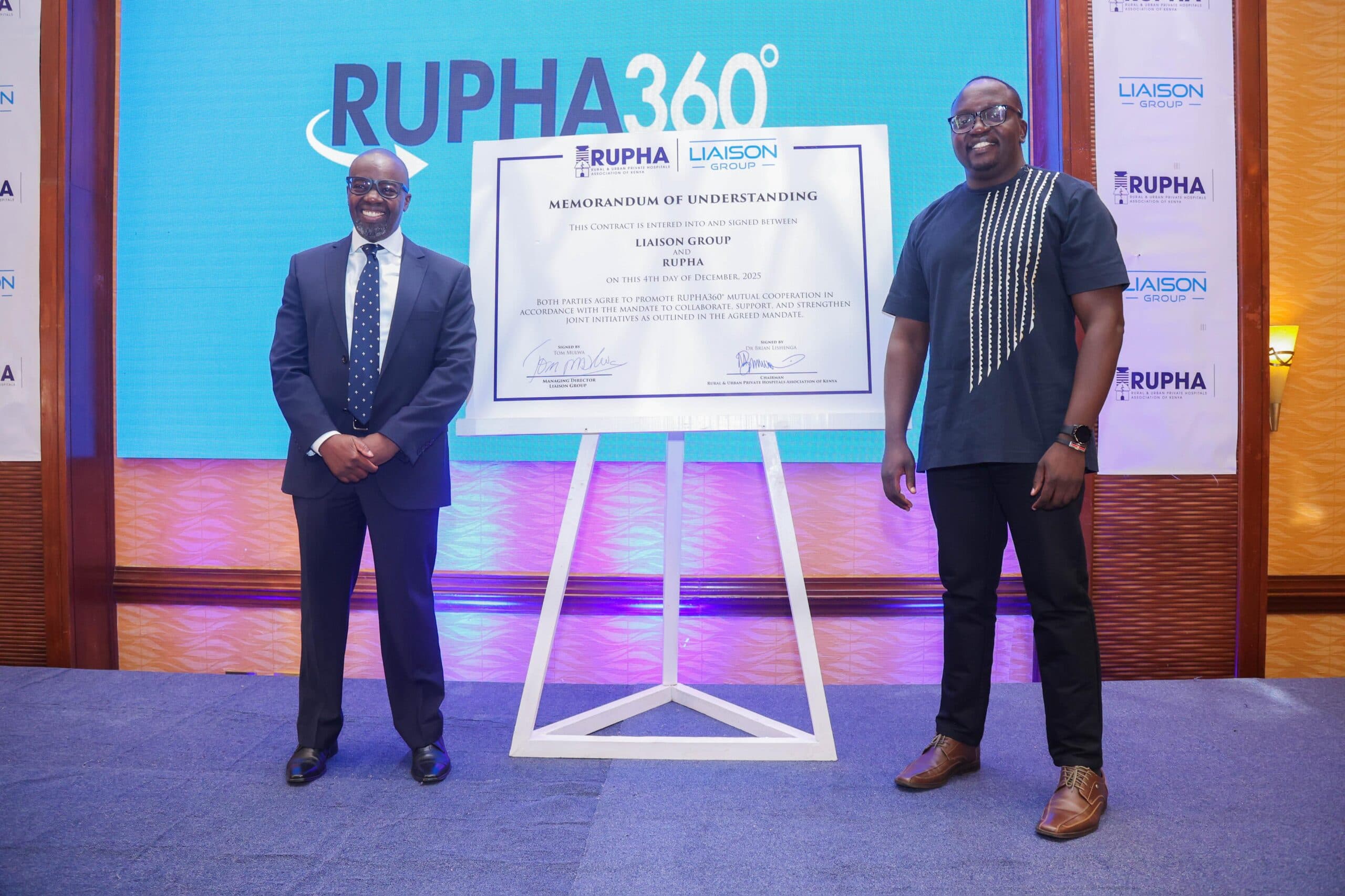
Private hospitals across Kenya are set for a major operational overhaul through a new framework designed to align them with the nation's Universal Health Coverage (UHC) ambitions. The initiative is a direct response to the immense challenge of providing quality healthcare to all Kenyans, particularly the uninsured.
The core issue this addresses is the precarious state of many private facilities and the massive gap in health coverage for most working Kenyans. With over 83% of the country's workforce in the informal sector, a staggering number have little to no insurance, leaving them vulnerable. This new plan, dubbed RUPHA 360, seeks to fortify the private sector, making it a reliable partner in the government's UHC push.
Developed by the Liaison Group and the Rural Urban Private Hospitals Association (RUPHA), the RUPHA 360 framework is built on four pillars intended to tackle the sector's most persistent challenges. Many small and mid-sized hospitals grapple with weak financial buffers, underinsurance, and outdated systems that threaten their very existence.
The initiative will focus on:
"For many private healthcare providers, sustainability is as critical as service delivery," noted Tom Mulwa, Liaison Group's Managing Director. He emphasized that the framework is about instilling financial discipline and digital capability to support reliable care.
The success of UHC hinges on a coordinated effort between public and private healthcare providers. The private sector already provides care to a significant portion of the population, and its exclusion from the national strategy has been a point of concern. Persistent issues, such as delayed government reimbursements for services rendered, have previously strained this relationship and threatened the viability of many hospitals.
RUPHA Chairman Dr. Brian Lishenga stated that this partnership is essential for coordinated progress. "For Kenya to achieve Universal Health Coverage, both public and private providers must move forward together," he said. "RUPHA 360 equips facilities with modern systems, digital tools, and the financial resilience they need to deliver equitable, high-quality healthcare for every Kenyan."
By strengthening these private institutions, the initiative aims to create a more robust and inclusive healthcare ecosystem, ultimately expanding quality and affordable options for millions of Kenyans who have long been left out.
Keep the conversation in one place—threads here stay linked to the story and in the forums.
Sign in to start a discussion
Start a conversation about this story and keep it linked here.
Other hot threads
E-sports and Gaming Community in Kenya
Active 9 months ago
The Role of Technology in Modern Agriculture (AgriTech)
Active 9 months ago
Popular Recreational Activities Across Counties
Active 9 months ago
Investing in Youth Sports Development Programs
Active 9 months ago



