We're loading the full news article for you. This includes the article content, images, author information, and related articles.
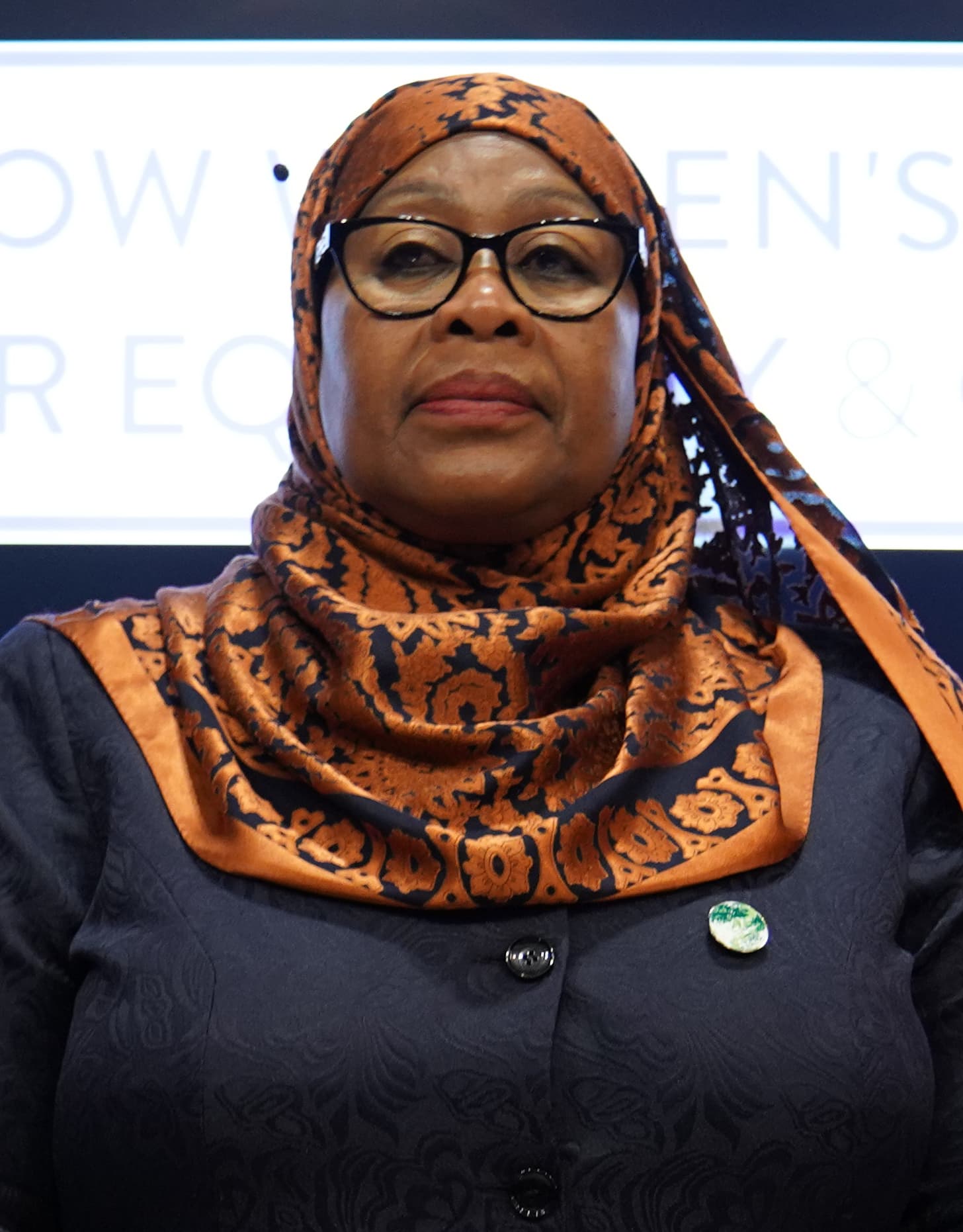
Tanzanian President Samia Suluhu Hassan has taken center stage in Arusha, presiding over the official opening of the 2026 judicial year for the African Court on Human and Peoples' Rights amid growing regional scrutiny.

Tanzanian President Samia Suluhu Hassan has taken center stage in Arusha, presiding over the official opening of the 2026 judicial year for the African Court on Human and Peoples' Rights amid growing regional scrutiny.
The diplomatic spotlight shifted to the East African hub on Monday as dignitaries and legal scholars converged to inaugurate the continent's apex human rights tribunal.
This ceremonial opening occurs at a pivotal moment for African jurisprudence. With several member states questioning the court's jurisdiction and domestic political crises escalating across the region, President Samia's presence underscores a renewed commitment to institutional diplomacy and the reinforcement of human rights frameworks across the African Union.
The African Court on Human and Peoples' Rights (AfCHPR), headquartered in Arusha, remains the primary judicial organ of the African Union mandated to ensure the protection of human rights. Despite its critical role, the institution has historically grappled with low compliance rates and the withdrawal of declarations allowing individuals and NGOs direct access to the court. President Samia's keynote address served as a powerful diplomatic anchor, urging member states to honor their legal obligations and uphold the rule of law.
Since assuming office, the Tanzanian leader has steadily worked to repair her nation's international image, reversing several isolationist policies of her predecessor. By actively championing the AfCHPR, she is positioning Tanzania as a regional guarantor of democratic norms and legal transparency. Her administration's recent efforts to ease restrictions on the press and political opposition lend significant credibility to her rhetoric on the Arusha stage.
The theme for the 2026 judicial year focuses heavily on enhancing the implementation of the court's rulings. Judicial experts at the symposium highlighted that while the court issues progressive judgments, domestic enforcement remains tragically weak. The gap between international law and local compliance forms the most formidable barrier to true justice on the continent.
For neighboring Kenya and the broader East African Community (EAC), the functionality of the African Court is of paramount importance. Cross-border disputes, electoral justice challenges, and systemic human rights abuses frequently spill over national boundaries, necessitating a robust regional arbiter. Kenyan legal practitioners have increasingly looked toward Arusha for appellate justice when domestic avenues are exhausted.
The integration of East African legal frameworks depends heavily on the precedents set by the AfCHPR. Recent rulings concerning indigenous land rights, freedom of expression, and electoral integrity serve as binding guidelines for Kenyan courts. The strengthening of the Arusha tribunal directly fortifies the legal recourse available to East African citizens facing state overreach.
The court outlined several operational priorities intended to increase its efficacy and accessibility over the next twelve months:
The opening ceremony could not ignore the immediate crises destabilizing the continent. Ongoing conflicts in the Horn of Africa, governance challenges in West Africa, and the resurgence of military coups demand a strong judicial response. The President of the AfCHPR reiterated that human rights violations are both a cause and consequence of political instability, making the court's mandate indispensable for continental peace.
The tribunal is currently reviewing a backlog of complex cases involving extrajudicial killings, arbitrary detentions, and the suppression of political dissent. The speed and authority with which the court resolves these cases will significantly impact its legitimacy. Legal analysts argue that without the coercive power to enforce its decisions, the court must rely entirely on diplomatic pressure and the political will of leaders like Samia Suluhu to ensure compliance.
Tanzania's hosting of the court is not merely symbolic; it represents a tangible investment in the Pan-African vision. The modernization of the Arusha facilities and the logistical support provided by the host government demonstrate a localized commitment to continental institutions. This symbiotic relationship between the host nation and the tribunal is vital for the court's operational stability.
As the legal year commences, the pressure mounts on the AfCHPR to deliver landmark rulings that resonate beyond the courtroom. The institution must navigate the delicate balance between respecting national sovereignty and aggressively defending universal human rights. The success of this endeavor requires the unwavering support of the African Union's political leadership.
The gathering in Arusha serves as a stark reminder that the architecture of African justice is still under construction. While the foundational treaties are robust, the structural integrity of the system relies on the daily commitment of its member states to submit to impartial adjudication.
"The true measure of our legal sovereignty is not our immunity to scrutiny, but our courage to submit our actions to the scales of universal justice."
Keep the conversation in one place—threads here stay linked to the story and in the forums.
Sign in to start a discussion
Start a conversation about this story and keep it linked here.
Other hot threads
E-sports and Gaming Community in Kenya
Active 9 months ago
The Role of Technology in Modern Agriculture (AgriTech)
Active 9 months ago
Popular Recreational Activities Across Counties
Active 9 months ago
Investing in Youth Sports Development Programs
Active 9 months ago
Key figures and persons of interest featured in this article