We're loading the full news article for you. This includes the article content, images, author information, and related articles.
Persistent drug shortages in Tanzania expose deep-seated systemic failures, as supply chain reforms struggle to reach patients in rural clinics.

The heavy iron gate of the district hospital pharmacy swings shut, leaving a line of patients in the sweltering heat of the Tanzanian interior with nothing but prescriptions in hand. In the capital, Dodoma, the rhetoric is markedly different: the government speaks of digitized inventory, streamlined procurement, and a modern medical supply chain. Yet, for thousands of citizens, the reality of public healthcare remains a paradox of well-funded policy and empty pharmacy shelves.
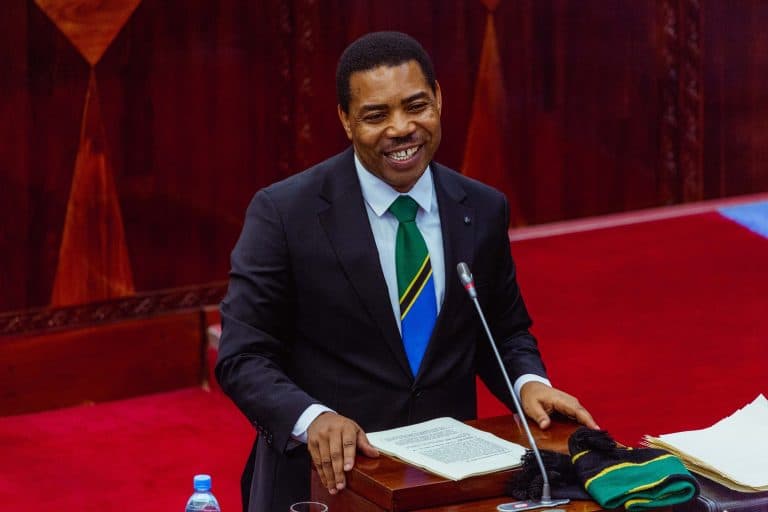
This persistent disconnect has triggered a wave of high-level concern, culminating in an urgent directive from Prime Minister Mwigulu Nchemba in March 2026 to launch a nationwide investigation. Despite nearly a decade of institutional overhauls and the aggressive adoption of digital management tools, the flow of essential medicines from the Medical Stores Department (MSD) to the last-mile facility continues to stutter. This failure forces vulnerable citizens to pay out-of-pocket at private outlets, deepening the economic burden on households already struggling with rising living costs.
At the heart of the crisis lies the complex machinery of the Medical Stores Department, the national agency tasked with the procurement and distribution of health commodities. The government has invested heavily in the Electronic Logistics Management Information System (eLMIS), which allows facilities to report stock levels in real-time. In theory, this data should eliminate the guesswork of forecasting demand, ensuring that a clinic in rural Katavi receives the same level of service as a major hospital in Dar es Salaam.
However, technical capability has not yet mastered human implementation. According to analysis from health sector reviews held in Dodoma this March, the system is hampered by several critical friction points:
For the average Tanzanian, these systemic issues manifest in a simple, devastating request: to buy their own medicine from a private pharmacy. When patients are referred away from public facilities, the cost is not merely financial it is an erosion of trust in the national health system. The Prime Minister noted in mid-March 2026 that data from the government suggests sufficient supplies exist within the system, yet patients are still being directed to purchase drugs elsewhere. This mismatch suggests either gross mismanagement at the local level or a failure to translate national stock availability into actual patient access.
Economists and health sector observers warn that this trend contradicts the goals of the ongoing universal health insurance rollout. If patients continue to face out-of-pocket costs for basic treatments, the overarching objective of universal coverage remains out of reach. While the government reports that expired medicine rates have dropped to below two percent—an impressive feat compared to global benchmarks—this statistic provides little comfort to a patient unable to access basic antibiotics.
Tanzania is not alone in this struggle. Across East Africa, health supply chains in Kenya and Uganda have faced strikingly similar challenges. Regional peers have grappled with the same "port-to-patient" pipeline problems, where pharmaceutical donations and government-procured stock often languish in storage or suffer from leakage before reaching the intended recipients. Comparisons with Kenya, specifically the ongoing governance challenges within the Kenya Medical Supplies Authority (KEMSA), highlight a broader regional trend: moving toward centralized, digitized procurement is necessary but insufficient without rigorous accountability.
Experts argue that the solution in East Africa requires a move away from the "just-in-time" crisis management that has defined the last decade. Instead, a data-driven, sovereign logistics model is required—one where regional hubs work in concert with facility-level data. Kenya’s recent moves to integrate supply chain training into pre-service education for health workers provide a potential template for Tanzania to emulate, moving professional supply chain skills away from being an "add-on" to a core medical competency.
The upcoming ministerial policy sessions, scheduled for late March 2026, will likely serve as a reckoning for the health sector. The government has signaled that it will no longer tolerate the current level of inefficiency, with the Prime Minister’s recent probe likely to expose gaps in inventory management and potential diversion of supplies. Beyond investigations, the focus must shift to creating an environment where health workers are trained to use the digital tools at their disposal rather than simply checking boxes on a screen.
Tanzania’s commitment to universal health insurance is a bold, necessary move, but its success rests entirely on the integrity of the supply chain. Until the medicine arrives at the pharmacy window at the exact moment a patient needs it, the reform process remains unfinished. The challenge for the coming year is to prove that the systems built in the capital can truly deliver for the citizen in the furthest, most remote district.
Keep the conversation in one place—threads here stay linked to the story and in the forums.
Sign in to start a discussion
Start a conversation about this story and keep it linked here.
Other hot threads
E-sports and Gaming Community in Kenya
Active 10 months ago
The Role of Technology in Modern Agriculture (AgriTech)
Active 10 months ago
Popular Recreational Activities Across Counties
Active 10 months ago
Investing in Youth Sports Development Programs
Active 10 months ago
Key figures and persons of interest featured in this article