We're loading the full news article for you. This includes the article content, images, author information, and related articles.
Cyclone Gezani has left a trail of total devastation across Madagascar’s eastern seaboard, killing at least 20 people and turning the port city of Toamasina into a disaster zone.
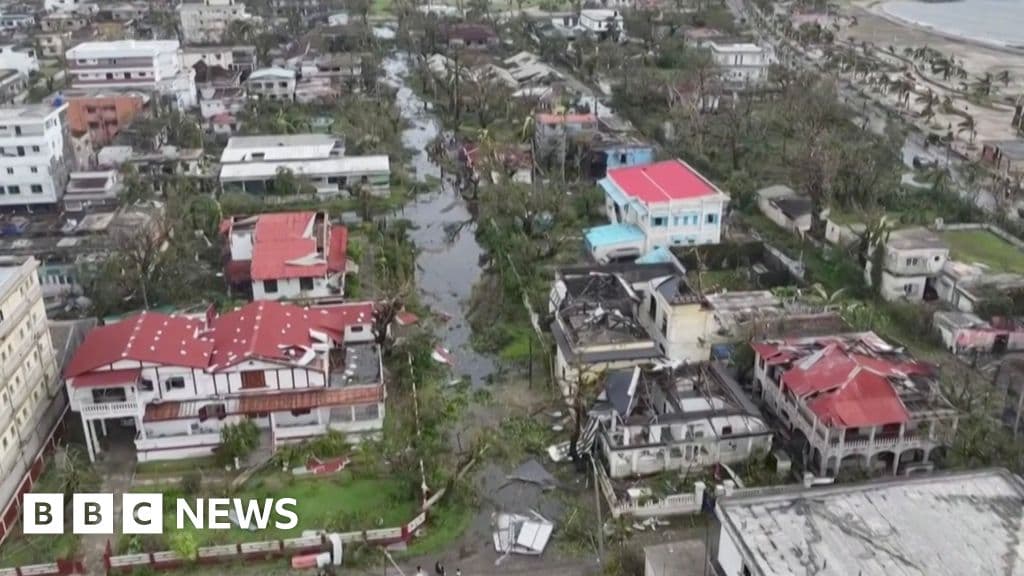
Cyclone Gezani has left a trail of total devastation across Madagascar’s eastern seaboard, killing at least 20 people and turning the port city of Toamasina into a disaster zone.
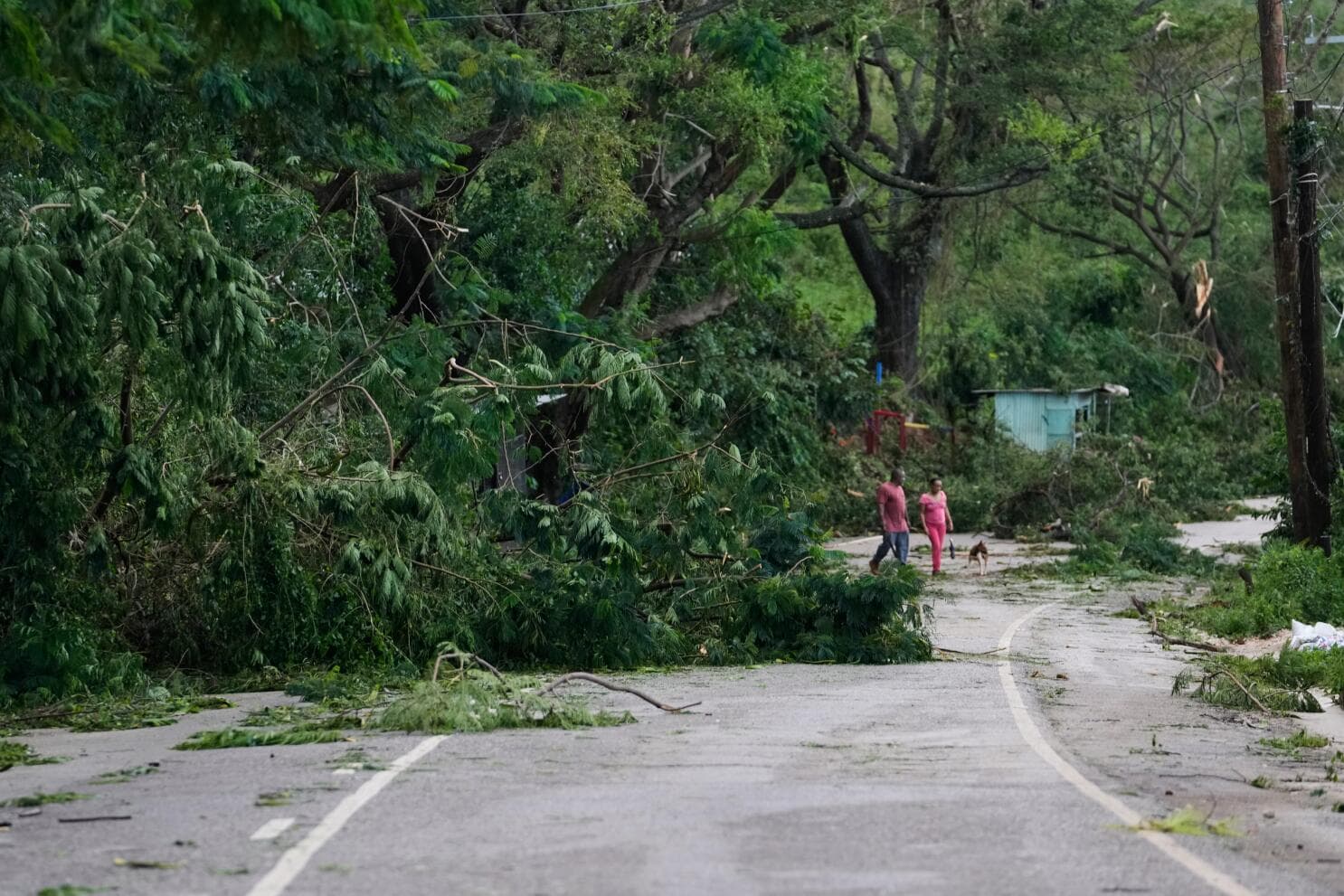
The wind didn`t just blow; it screamed. Tropical Cyclone Gezani slammed into the eastern coast of Madagascar with the force of a freight train, unleashing winds of 195 kilometers per hour that pulverized everything in their path. The port city of Toamasina, the country’s economic lung, took a direct hit. As the sun rose over the Indian Ocean island, it revealed a landscape of ruin: homes flattened, century-old trees snapped like twigs, and streets turned into rushing rivers of brown floodwater.
Authorities have confirmed at least 20 deaths, a grim toll that is expected to rise as rescuers reach cut-off neighborhoods. "It is total chaos," said a spokesperson for the National Office for Risk and Disaster Management. In some districts, up to 90% of roofs have been ripped off, leaving thousands of families exposed to the elements. The cyclone’s fury was compounded by the fact that the ground was already saturated from a previous storm just ten days ago.
Madagascar is tragically accustomed to the wrath of nature, but Gezani’s intensity has shocked even seasoned survivors. The cyclone severed power lines, plunging the entire city of Toamasina into darkness and cutting off communications. Hospitals are running on generators, overwhelmed by the injured.
President Michael Randrianirina, facing one of the first major crises of his administration, visited the affected zone. Videos showed him wading through floodwaters, a visual testament to the severity of the crisis. His government has declared a red alert, mobilizing the military to assist in search and rescue operations. But for many, help is arriving too late.
As Gezani weakens and moves inland, the immediate threat subsides, but the humanitarian emergency is just beginning. Clean water is scarce, and the risk of waterborne diseases is high. For the people of Toamasina, the task now is not just to rebuild their homes, but to survive the aftermath.
The world watches as Madagascar once again picks up the pieces, a resilient nation battered by a changing climate that shows no mercy.
Keep the conversation in one place—threads here stay linked to the story and in the forums.
Sign in to start a discussion
Start a conversation about this story and keep it linked here.
Other hot threads
E-sports and Gaming Community in Kenya
Active 9 months ago
The Role of Technology in Modern Agriculture (AgriTech)
Active 9 months ago
Popular Recreational Activities Across Counties
Active 9 months ago
Investing in Youth Sports Development Programs
Active 9 months ago