We're loading the full news article for you. This includes the article content, images, author information, and related articles.
A recurring diplomatic frost between Kiharu’s political leadership and local administrative officers has created a governance gridlock.

A recurring diplomatic frost between Kiharu’s political leadership and local administrative officers has created a governance gridlock, threatening the delivery of critical Constituency Development Fund (CDF) projects across the region.
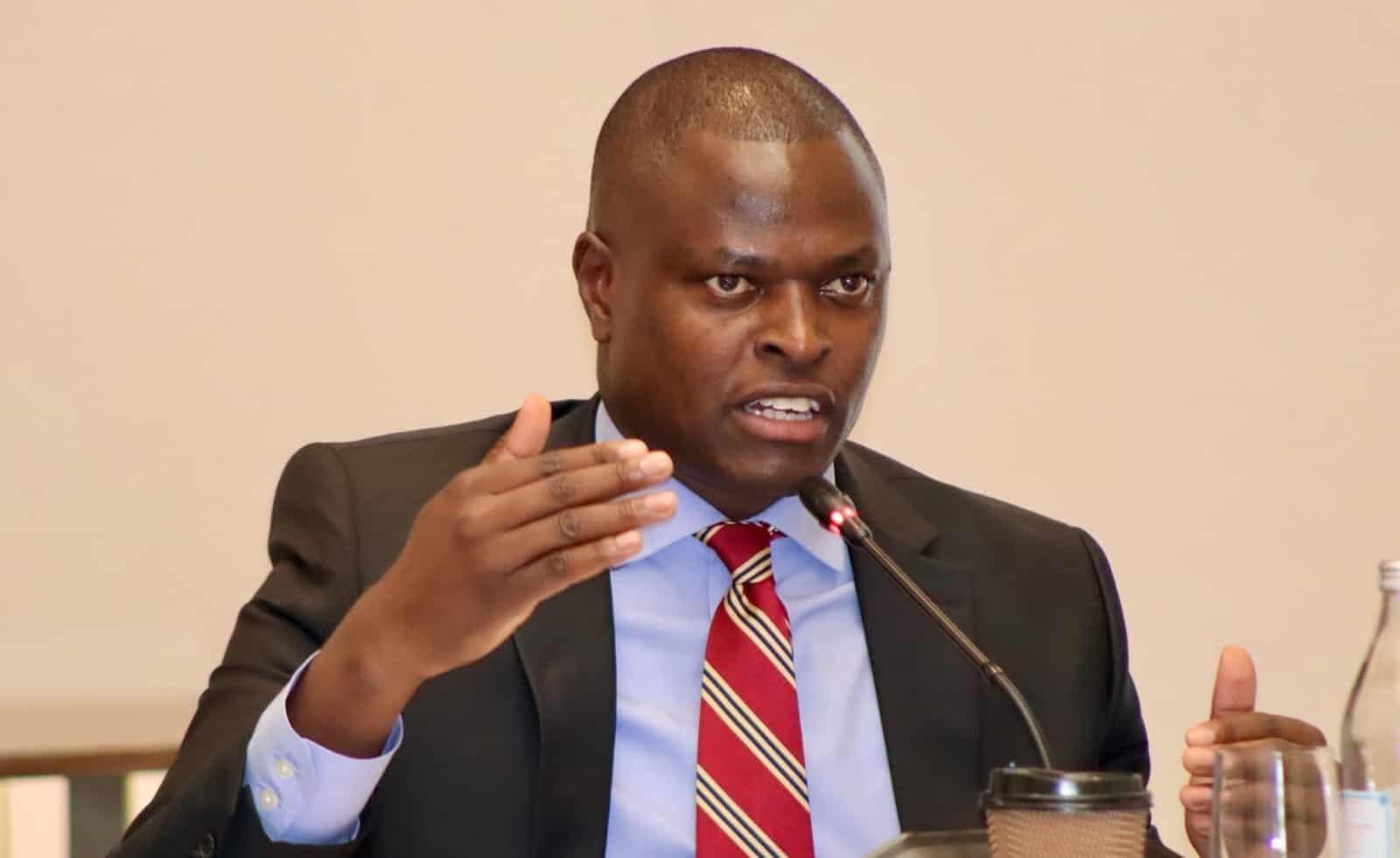
In the latest installment of this ongoing standoff, Kiharu Member of Parliament Ndindi Nyoro recently presided over the opening of the Kahuro Assistant County Commissioner’s offices to a conspicuous absence of local National Government Administration Officers (NGAO). The boycott, which saw chiefs and sub-chiefs steering clear of the event, highlights a deepening rift between the elected political class and the civil service arm of the executive branch in Murang'a County.
The friction between MPs and NGAO officers is not a new phenomenon in Kenyan politics, but it has intensified in the current administration. Constitutionally, the Executive—represented by the Ministry of Interior—and the Legislature are distinct entities with complementary functions. However, on the ground, the lines are often blurred. Chiefs and assistant chiefs are tasked with representing the government, while MPs manage the CDF, which serves as a massive vehicle for local development, often involving projects worth hundreds of millions of KES annually.
When an MP launches a project, the presence of local administrators is generally seen as a sign of government endorsement and cooperation. When they fail to show, it sends a clear signal of friction, often interpreted by the public as a political directive from the top down. Observers suggest this tension stems from competing influence: the MP controls the development budget, while the administrative officers control the grassroots security and social governance apparatus.
The boycott is more than just a matter of political theater; it threatens the efficacy of public service delivery. The CDF relies heavily on the administrative chain—specifically chiefs—to identify beneficiaries for bursaries, oversee land acquisition for schools, and coordinate communal labor for infrastructural projects. When this link is broken, bureaucratic delays become inevitable.
Ndindi Nyoro, a key figure within the Kenya Kwanza coalition, has often positioned himself as an independent-minded leader, frequently engaging in development politics that occasionally puts him at odds with the status quo. His ability to deliver projects without the full cooperation of the provincial administration tests his political capital and his relationship with the national interior docket.
As the standoff persists, the ultimate victims are the constituents of Kiharu. Governance is a collaborative endeavor; when the legislative and executive arms engage in cold wars, the development agenda suffers. Whether this serves as a temporary cooling-off period or the prelude to a deeper constitutional crisis remains to be seen. For now, the administrative boycott remains a focal point of scrutiny, as residents watch to see if reconciliation or further estrangement lies ahead.
The stability of the region hinges on the ability of these two power centers to find common ground. Without it, the "development first" rhetoric often championed by politicians remains hollow, stalled by the very machinery intended to execute it.
Keep the conversation in one place—threads here stay linked to the story and in the forums.
Sign in to start a discussion
Start a conversation about this story and keep it linked here.
Other hot threads
E-sports and Gaming Community in Kenya
Active 9 months ago
The Role of Technology in Modern Agriculture (AgriTech)
Active 9 months ago
Popular Recreational Activities Across Counties
Active 9 months ago
Investing in Youth Sports Development Programs
Active 9 months ago
Key figures and persons of interest featured in this article