We're loading the full news article for you. This includes the article content, images, author information, and related articles.
Francis Atwoli seeks a sixth term as COTU Secretary General, sparking debate over union leadership, labor rights, and the future of Kenyan workers.

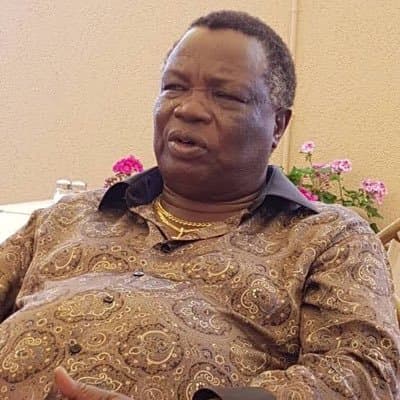
The corridors of Solidarity Building in Nairobi are buzzing with a familiar tension. As the Central Organization of Trade Unions (COTU) prepares for its upcoming leadership elections, all eyes are locked on the man who has defined the institution for a generation: Francis Atwoli. With the Secretary-General signaling his intent to seek a sixth term, the upcoming polls have transformed into a referendum on the nature of union leadership in Kenya. For 25 years, Atwoli has navigated the volatile waters of Kenyan industrial relations, building a legacy that supporters praise as a masterclass in negotiation and critics decry as a entrenchment of power.
Since ascending to the position in 2001, Atwoli has outlasted multiple presidential administrations, countless cabinet reshuffles, and the fundamental restructuring of the Kenyan economy. His tenure is not merely a record of service but a study in political survival. At the age of 76, his bid for another five-year term is not just a personal career ambition it is a signal that the status quo within Kenya’s labor movement remains deeply resistant to the turnover typically seen in democratic institutions.
To understand the stakes of the 2026 election, one must examine the specific mechanics that keep Atwoli at the helm. Unlike elected government officials who face constitutional term limits, union leadership structures often allow for indefinite re-election, provided the incumbent maintains the support of the various affiliate unions. This structure creates a formidable firewall against external challengers. Atwoli has cultivated a network of loyalty across the 40-plus unions affiliated with COTU, positioning himself as the indispensable broker between organized labor and the State.
However, the internal politics of these elections are rarely transparent. Critics from within the labor movement argue that the lack of term limits creates a democratic deficit, stifling new leadership and preventing the infusion of modern labor strategies required for the digital and gig-economy era. The following timeline underscores the remarkable duration of his leadership:
The defining feature of Atwoli’s leadership is his proximity to power. In Kenya, the line between labor advocacy and political alignment has often blurred. Supporters argue that this closeness ensures the government remains responsive to workers’ concerns, particularly during minimum wage negotiations and budget cycles. They point to his involvement in national dialogue committees and his public endorsement of various political agendas as strategic necessities to secure the workers’ seat at the high table.
Conversely, detractors argue that this patronage-style leadership undermines the independence of the trade union movement. When a union leader becomes too closely associated with the administration of the day, the ability to advocate for workers—especially during austerity measures or tax hikes—is significantly compromised. Economists note that the lack of a neutral, aggressive labor voice in recent years has left the growing segment of informal workers, who constitute the vast majority of Kenya’s labor force, largely unrepresented in formal Collective Bargaining Agreements (CBAs).
Beyond the internal power dynamics, the 2026 election arrives at a critical juncture for the Kenyan worker. The economy has shifted dramatically from the industrial manufacturing base that characterized the early 2000s toward a service-oriented and digital-first landscape. Traditional union models, which rely on large, concentrated groups of factory workers, are struggling to integrate the millions of Kenyans operating in the informal sector, the gig economy, and remote digital work.
A worker in Nairobi’s Industrial Area, who asked to remain anonymous for fear of union retribution, noted that the focus of the current leadership often feels disconnected from the immediate pressures of inflation and the rising cost of basic commodities. With the cost of living index having fluctuated significantly over the last three years, the rank-and-file members are demanding results—not just political maneuvers. The challenge for whoever leads COTU after the 2026 polls is clear: they must either evolve the union into a body that represents the modern, fragmented labor force or risk irrelevance as a relic of a bygone industrial era.
Globally, unions are grappling with similar pressures. In countries like the United Kingdom and South Africa, labor federations have faced intense pressure to modernize, with many forced to adopt leaner, more responsive digital organizing tools to survive. The Kenyan election is therefore not just a local contest of personalities it is a test of whether an entrenched leadership structure can adapt to the realities of a globalized, precarious economy.
As the nomination process nears, the focus shifts to the delegates of the various affiliate unions. They hold the power to either grant Atwoli a historic sixth term or to turn the page toward a new chapter of leadership. The outcome will set the tone for labor relations in the country for the remainder of the decade. Whether this election cycle results in a rejuvenation of the movement or a reaffirmation of the established order, the fundamental question for the Kenyan worker remains the same: is the union acting as a shield for their rights, or is it becoming an end in itself?
Keep the conversation in one place—threads here stay linked to the story and in the forums.
Sign in to start a discussion
Start a conversation about this story and keep it linked here.
Other hot threads
E-sports and Gaming Community in Kenya
Active 10 months ago
Popular Recreational Activities Across Counties
Active 10 months ago
The Role of Technology in Modern Agriculture (AgriTech)
Active 10 months ago
Investing in Youth Sports Development Programs
Active 10 months ago
Key figures and persons of interest featured in this article