We're loading the full news article for you. This includes the article content, images, author information, and related articles.
Ndindi Nyoro calls for fuel subsidies and the removal of a Sh7 levy to mitigate a looming fuel crisis affecting Kenya's logistics and consumer economy.

A single figure—the price of a liter of diesel at the pump—has become the epicenter of a high-stakes fiscal showdown in Nairobi. As logistics costs climb and manufacturing margins shrink, senior legislators are now openly challenging the prevailing tax regime, demanding an immediate re-evaluation of the seven-shilling levy introduced by Transport Cabinet Secretary Kipchumba Murkomen.
This confrontation between the National Assembly and the executive branch signals a growing anxiety over the country's economic trajectory. With inflation hovering near the upper bounds of the Central Bank of Kenya’s target range, the cost of energy has transcended simple economics to become a critical political vulnerability. At stake is not merely the price of petrol, but the viability of the national supply chain, the stability of consumer goods prices, and the government's ability to balance its aggressive revenue collection targets against the crushing reality of a cost-of-living crisis facing millions of Kenyans.
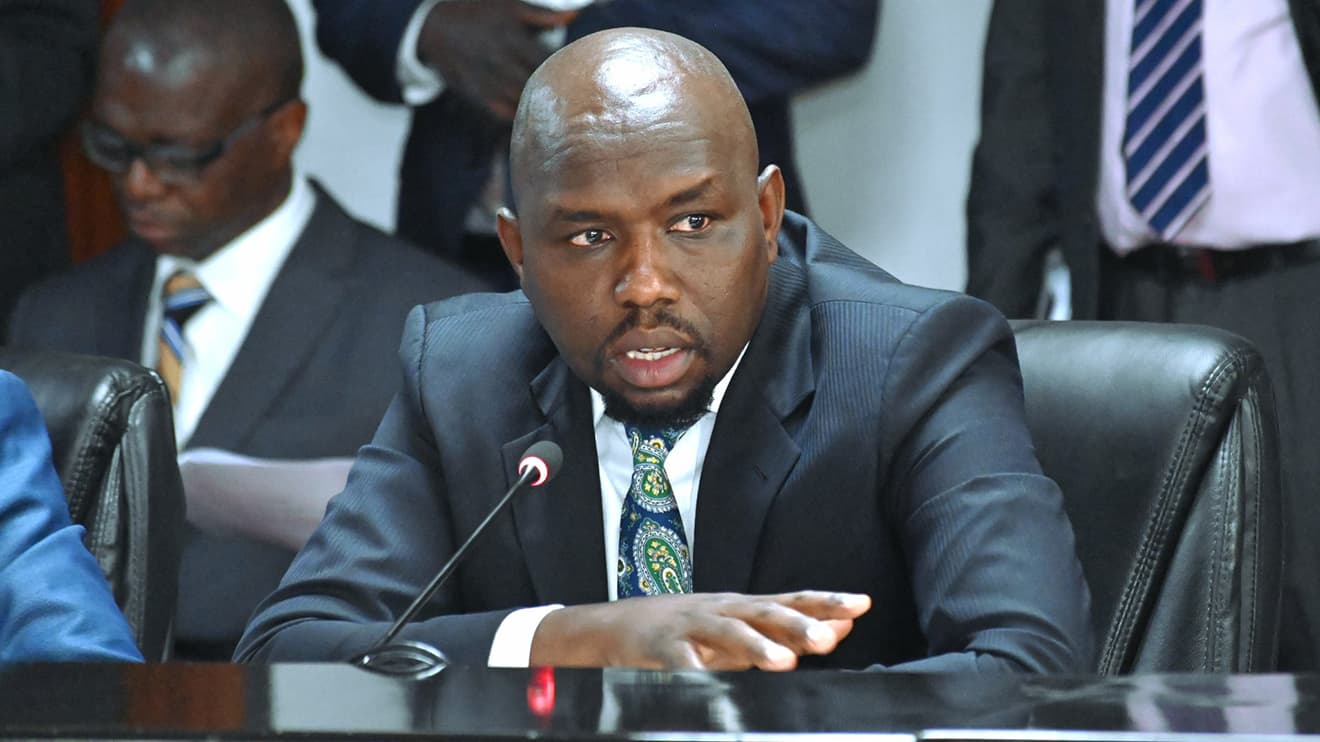
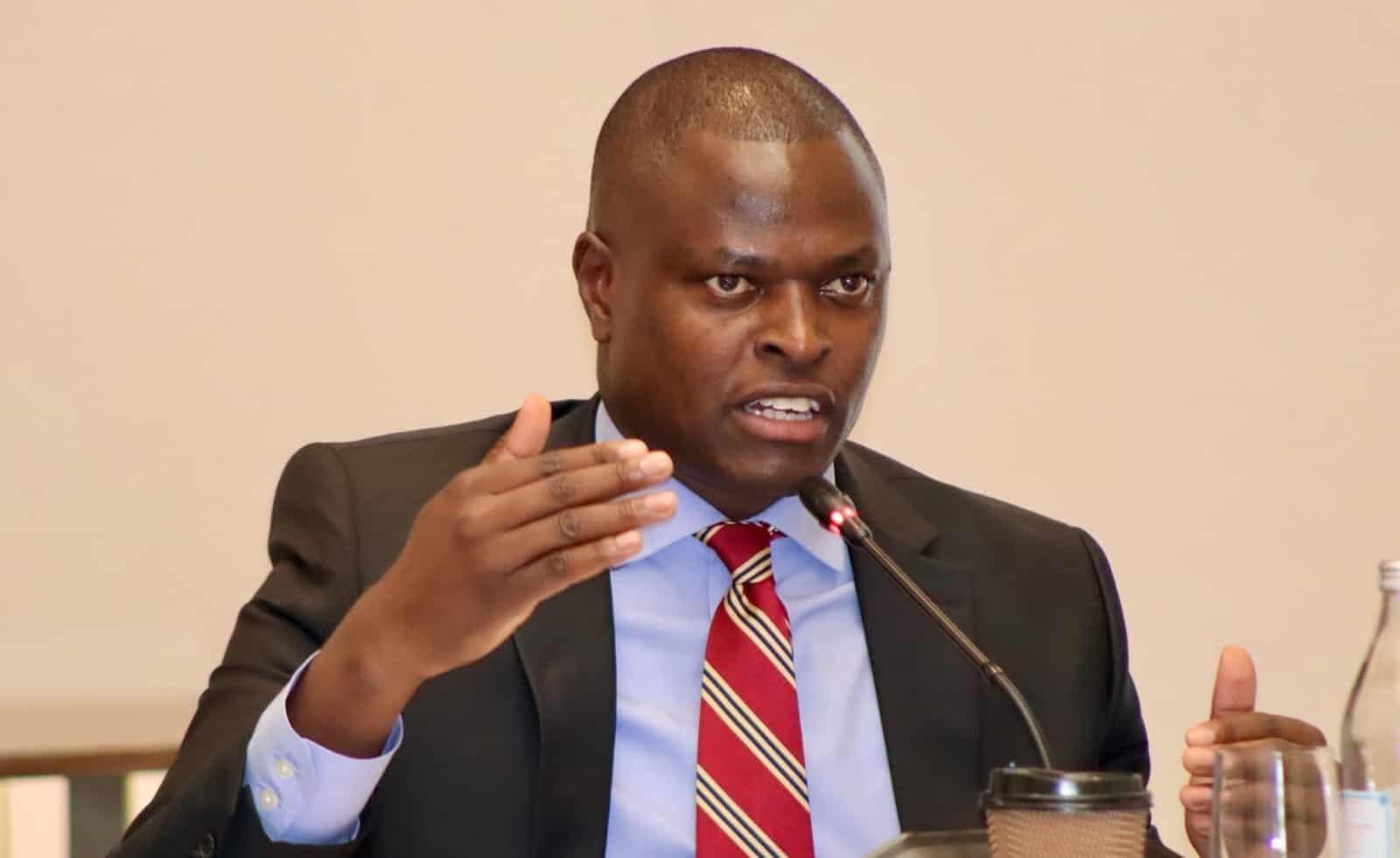
Ndindi Nyoro, the Chairperson of the National Assembly’s Budget and Appropriations Committee, has emerged as the voice of this legislative rebellion. His recent call for the return of fuel subsidies or, at minimum, the abolition of the seven-shilling levy, places him in direct opposition to the Treasury’s current fiscal consolidation strategy. For Nyoro, the current taxation framework is no longer sustainable for a citizenry already reeling from successive years of economic shocks, including drought-induced agricultural deficits and global supply chain disruptions.
The specific focus on the seven-shilling levy—a charge implemented under the tenure of Cabinet Secretary Kipchumba Murkomen—highlights a strategic divergence in governance. While the executive argues that these funds are essential for critical road maintenance and infrastructure development, the legislative wing increasingly views such levies as regressive taxes that disproportionately punish the transport and logistics sectors. The argument is simple: when the cost of moving goods from Mombasa to Nairobi rises, the final price of every commodity, from maize flour to construction materials, increases accordingly.
The fuel crisis is not a localized inconvenience it is a structural threat to the national economy. In industrial hubs like Nairobi’s Industrial Area and the manufacturing zones of Thika, the cost of diesel acts as a silent tax on productivity. When energy prices surge, manufacturing output slows, and competitiveness against East African Community (EAC) peers diminishes. Business owners, ranging from small-scale matatu operators to large manufacturing firms, find themselves in an impossible position: absorb the rising costs and risk insolvency, or pass them on to consumers, thereby accelerating inflationary pressure.
Economists at the University of Nairobi warn that the current fixation on revenue collection may be inducing a contraction in the broader economy. If the cost of transport rises beyond a critical threshold, the velocity of money decreases, and local trade slows significantly. The impact is most visible in rural counties, where the cost of moving farm produce to urban markets often exceeds the profit margin of the farmers themselves. This effectively discourages agricultural production, creating a vicious cycle of food insecurity and high import reliance.
While the internal debate rages, Kenya remains a price taker in the global energy market. Fluctuations in the Brent crude oil price, coupled with the continued volatility of the Kenyan Shilling against the US Dollar, provide the backdrop for this crisis. The government’s historical reliance on the Petroleum Development Levy has often been criticized by international observers as a stop-gap measure that fails to address the underlying structural dependency on imported refined fuels.
Comparative studies of regional economies suggest that Kenya’s current approach to fuel taxation is among the most aggressive in the EAC. While neighboring nations have utilized various price stabilization funds, Kenya’s shift toward a more liberalized, levy-heavy pricing model has made the local market particularly susceptible to external shocks. The policy choice of the Murkomen-era levy was designed to ensure infrastructure funding, but critics argue that the current economic climate demands a shift from infrastructure-first to survival-first policy.
The call for subsidy restoration is not merely a request for state spending it is an acknowledgment that the government has reached the limit of its ability to tax its way to fiscal health. As the Budget and Appropriations Committee moves toward its next round of reviews, the executive will face immense pressure to defend the seven-shilling levy. The government must choose between maintaining its infrastructure investment schedule or preventing a broader economic slowdown caused by prohibitively high fuel prices.
Ultimately, the resolution of this crisis will depend on the government’s willingness to re-prioritize its spending. If the administration refuses to adjust the levy, it risks alienating the very business community and populace it relies on for political stability. Whether the Treasury can find a middle ground—perhaps through targeted subsidies for essential transport sectors rather than a blanket reduction—remains the critical question that will define the political and economic landscape for the remainder of the fiscal year.
Keep the conversation in one place—threads here stay linked to the story and in the forums.
Sign in to start a discussion
Start a conversation about this story and keep it linked here.
Other hot threads
E-sports and Gaming Community in Kenya
Active 10 months ago
The Role of Technology in Modern Agriculture (AgriTech)
Active 10 months ago
Popular Recreational Activities Across Counties
Active 10 months ago
Investing in Youth Sports Development Programs
Active 10 months ago
Key figures and persons of interest featured in this article