We're loading the full news article for you. This includes the article content, images, author information, and related articles.
Top police command, including IG Kanja, conclude high-level JICA training in Tokyo, signaling a shift to evidence-based "Safe System" strategies to combat road carnage.
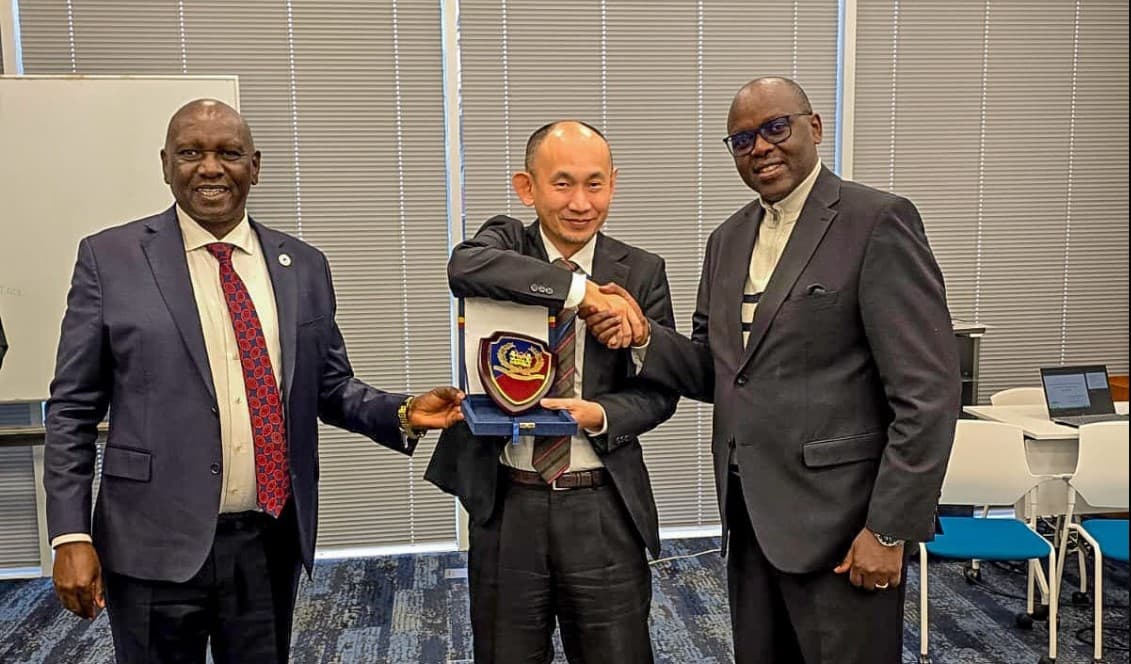
The National Police Service has signaled a radical shift in its approach to traffic management following the conclusion of a high-stakes strategic training in Tokyo, Japan. Top command, including Inspector General Douglas Kanja, have endorsed a data-driven "Safe System" approach to curb the country’s spiraling road fatality rates.
The week-long intensive programme, facilitated by the Japan International Cooperation Agency (JICA), marks a pivotal moment in Kenya’s road safety history. It comes at a time when the country is grappling with an archaic traffic management system that has often prioritized punitive enforcement over structural safety and evidence-based policy making.
Inspector General Douglas Kanja, alongside Deputy Inspector General Eliud Lagat, led the Kenyan delegation in what insiders describe as a "reality check" mission. The training, which officially closed on Tuesday in Tokyo, was not merely a diplomatic formality but a technical deep-dive into the "Safe System" approach—a globally recognized strategy that accepts human error as inevitable but refuses to accept death or serious injury as a consequence.
"The era of guessing where to place roadblocks is over," a senior source within the delegation told this writer. "What JICA has demonstrated to the IG and DIG is that road safety is a science, not an art. We need to design evidence-based interventions that prioritize human safety above all else."
JICA’s Head of Traffic Safety, Yasuhiro Suhara, who presided over the closing ceremony, emphasized that the training was designed to equip the Kenyan leadership with the tools to formulate robust policies. The presence of officials from the National Transport and Safety Authority (NTSA) and the Ministry of Roads and Transport signals a refreshing break from the siloed operations that have historically hampered Kenya’s response to road carnage.
On the sidelines of the training, IG Kanja and DIG Lagat held high-level talks with Kenya’s Ambassador to Japan, Moi Lemoshira. The discussions centered on securing further technical support for Kenya’s national security apparatus, hinting at a broader modernization agenda for the service.
As the delegation returns to Nairobi, the pressure is now on IG Kanja to translate this Tokyo classroom theory into Kenyan tarmac reality. With road accidents claiming thousands of lives annually—and costing the economy billions—the adoption of the JICA-backed strategies could be the difference between life and death for millions of commuters. The question remains: can the NPS shed its old skin and embrace this new, scientific dawn?
Keep the conversation in one place—threads here stay linked to the story and in the forums.
Sign in to start a discussion
Start a conversation about this story and keep it linked here.
Other hot threads
E-sports and Gaming Community in Kenya
Active 9 months ago
The Role of Technology in Modern Agriculture (AgriTech)
Active 9 months ago
Popular Recreational Activities Across Counties
Active 9 months ago
Investing in Youth Sports Development Programs
Active 9 months ago