We're loading the full news article for you. This includes the article content, images, author information, and related articles.
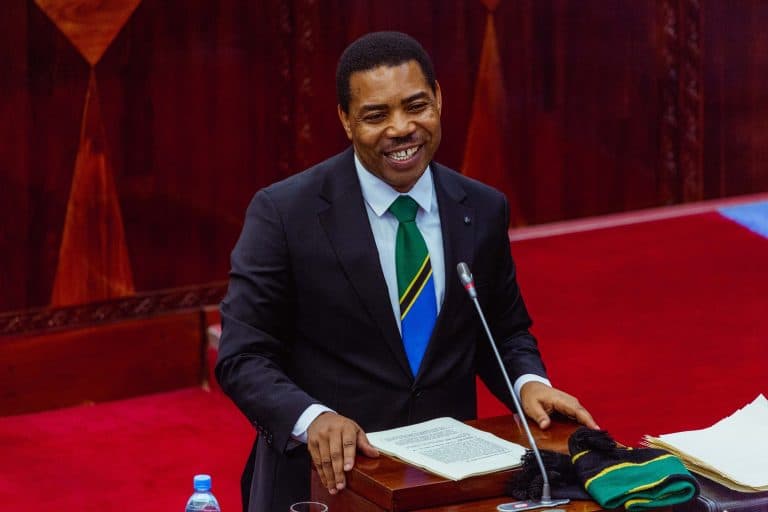
Prime Minister Dr. Mwigulu Nchemba has reaffirmed the government's steadfast commitment to eradicating chronic water scarcity by highlighting ongoing water infrastructure investments worth TZS 29.5 billion in Longido.
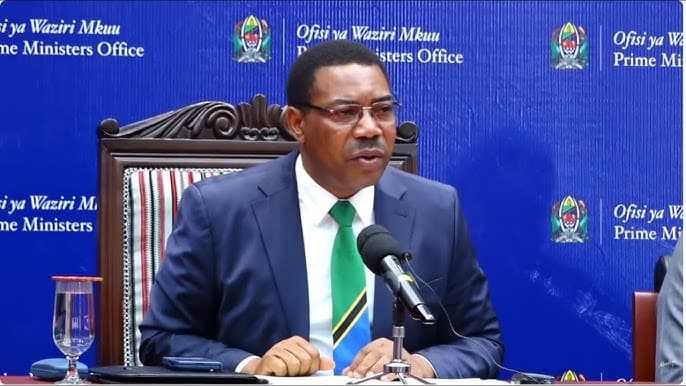
Prime Minister Dr. Mwigulu Nchemba has reaffirmed the government's steadfast commitment to eradicating chronic water scarcity by highlighting ongoing water infrastructure investments worth TZS 29.5 billion (approx. KES 1.48 billion) in the drought-prone Longido District.
In a decisive move to secure the livelihoods of pastoralist communities, the Tanzanian government has accelerated the completion of monumental water projects in Arusha. The initiative signals a regional shift towards climate-resilient infrastructure across East Africa.
This unprecedented financial commitment matters now more than ever. As climate change exacerbates prolonged droughts across the East African plains, securing permanent water sources is no longer just a basic social service—it is a matter of profound economic survival and national security for cross-border communities heavily reliant on livestock.
The government has successfully engineered two highly complex water projects designed to permanently alter the socio-economic landscape of Namanga and Longido. The primary project, requiring an initial capital injection of TZS 16 billion (approx. KES 800 million), is an engineering marvel that draws fresh, reliable water directly from the elevated slopes of Mount Kilimanjaro. Tapping into the pristine River Simba source, the extensive pipeline network channels life-saving water through the arid Longido plains all the way to the bustling border town of Namanga.
Complementing this massive undertaking is the equally critical Sinya-Namanga Water Project. Valued at TZS 13.5 billion (approx. KES 675 million), this secondary initiative serves as a crucial redundancy and expansion mechanism. Together, these interlinked infrastructural systems represent a formidable TZS 29.5 billion (approx. KES 1.48 billion) defensive shield against the devastating seasonal droughts that have historically plagued the region, crippling agricultural output and driving local populations deeper into poverty.
For decades, the prolonged water crisis has systematically dismantled the economic productivity of Longido's residents. Pastoral communities, whose entire generational wealth is inextricably tied to the health of their livestock, have suffered catastrophic losses during recurring dry seasons. The strategic deployment of the Sinya-Namanga pipeline follows an exhaustive geological and hydrological survey commissioned directly by President Samia Suluhu Hassan immediately after she assumed office.
This comprehensive terrain survey successfully identified critical subterranean aquifers, ultimately culminating in the drilling of highly productive, 300-metre-deep wells in Sinya Ward, situated northwest of the Mount Kilimanjaro basin. The resulting infrastructure is a testament to modern hydrology and state-led resource management.
While situated firmly within Tanzanian territory, the ripple effects of this infrastructure are deeply felt across the border in Kenya. Namanga operates as a unified, fluid economic zone. Water security on the Tanzanian side inherently stabilizes the cross-border cattle trade, which frequently supplies major beef markets located in Nairobi and its environs. By mitigating the desperate, resource-driven cross-border migration of massive herds in search of water, the project dramatically reduces historical resource-based conflicts between Kenyan and Tanzanian pastoralists.
Addressing massive citizen rallies in Sinya and Namanga yesterday, Dr. Nchemba emphasized that the swift execution of these projects reflects a deeply solution-oriented administrative ethos. The President's acute awareness of the severe climate threats facing the drought-prone district has catalyzed a bureaucratic urgency rarely seen in regional public works projects of this magnitude.
The successful operationalization of the Longido water matrix provides a highly replicable blueprint for neighboring East African nations. As the entire Horn of Africa grapples with the escalating, unforgiving realities of global warming, the transition from reactive, short-term drought relief to proactive, permanent infrastructure investment is absolutely critical. The engineering parameters utilized in the River Simba pipeline offer invaluable data for similar arid topographies.
Ultimately, the permanent eradication of water scarcity in this vital economic corridor will unlock suppressed commercial potential. It allows pastoralist communities to pivot from a mindset of mere survival to one of sustainable wealth generation, driving cross-border commercial expansion and securing the food supply chain for millions.
"Water is the absolute foundation of economic dignity; by securing the source, we secure the future of the entire East African pastoralist economy," the Prime Minister affirmed.
Keep the conversation in one place—threads here stay linked to the story and in the forums.
Sign in to start a discussion
Start a conversation about this story and keep it linked here.
Other hot threads
E-sports and Gaming Community in Kenya
Active 9 months ago
The Role of Technology in Modern Agriculture (AgriTech)
Active 9 months ago
Popular Recreational Activities Across Counties
Active 9 months ago
Investing in Youth Sports Development Programs
Active 9 months ago
Key figures and persons of interest featured in this article