We're loading the full news article for you. This includes the article content, images, author information, and related articles.
Public participation invited as Treasury seeks to mortgage railway levy for SGR extension.
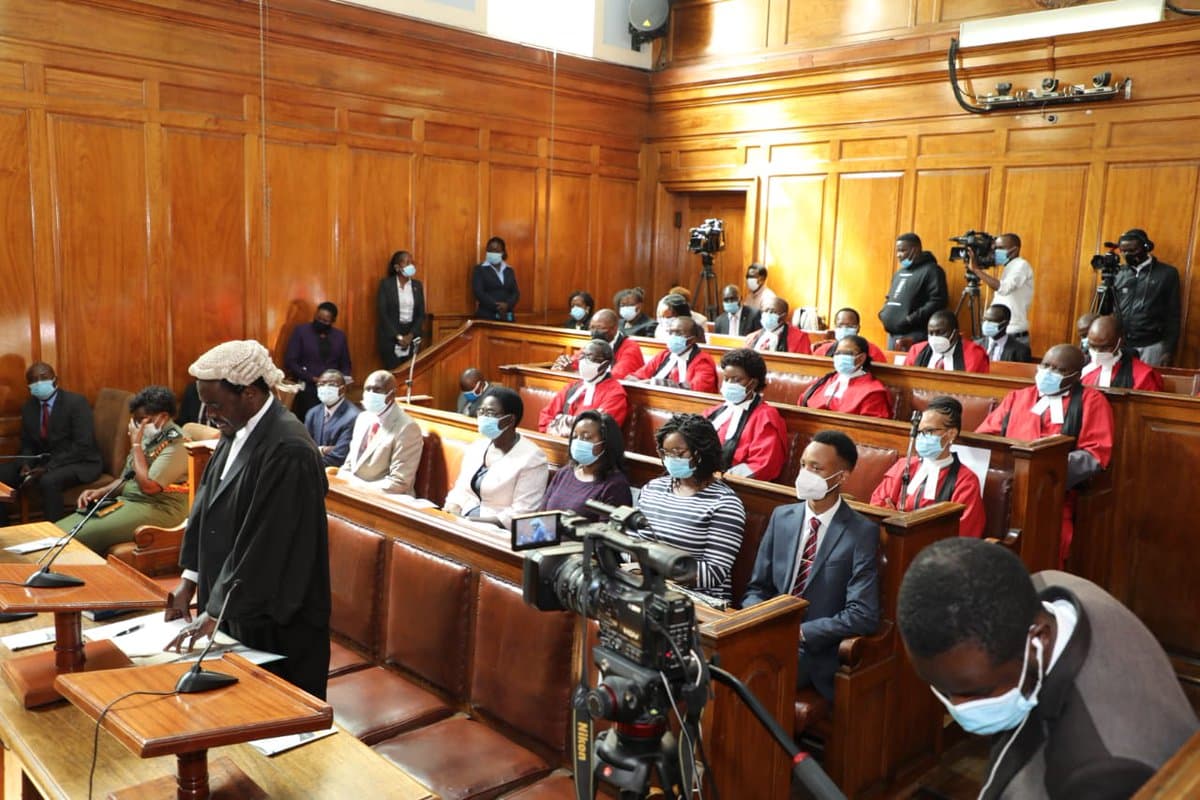
The National Assembly has thrown open the doors for public scrutiny on the government’s boldest financial gamble yet: the securitization of the Railway Development Levy to fund a massive SGR extension.
This is not just a procedural formality. It is the final checkpoint before the Treasury mortgages decades of future levy revenue to raise billions for the Naivasha-Malaba line, a move critics fear could trap the country in a new cycle of debt without parliamentary brakes. The Departmental Committee on Finance and National Planning has officially invited Kenyans to submit their views, a critical constitutional requirement that stands as the last line of defence between the executive’s ambitious infrastructure plans and the taxpayer’s burdened pocket.
At the heart of this legislative storm is the proposal to securitize the Railway Development Levy. This financial engineering mechanism allows the government to bundle future cash flows from the levy and sell them to investors upfront for a lump sum. Treasury Cabinet Secretary John Mbadi has championed this as a creative solution to Kenya’s liquidity crunch, arguing it will unlock immediate capital to complete the Standard Gauge Railway extension to Kisumu and eventually Malaba. The project, estimated to cost over 500 billion shillings, is viewed as the missing link to unlocking regional trade dominance.
However, the risks are palpable. By pledging future revenues, the government is effectively spending money it has not yet collected. Economic analysts warn that if import volumes dip or the global economy shudders, the levy’s revenue could fall short, forcing the exchequer to raid other pots to pay off the investors. "We are eating our children’s dinner," remarked one civil society watchdog. "Securitization sounds sophisticated, but it is simply a high-interest loan by another name."
For the Kenya Kwanza administration, this is a do-or-die moment. Completing the SGR is a central pillar of their legacy project, promising to revolutionize logistics in the Great Lakes region. Yet, the method of funding has drawn sharp lines in the sand. Opposition MPs have flagged the lack of transparency in the initial stages, questioning why a "special purpose vehicle" was needed outside the normal consolidated fund structure.
The public participation sessions scheduled for next week are expected to be fiery. Civil society groups, transport associations, and economists are gearing up to dissect the fine print. They are demanding answers on interest rates, repayment periods, and what guarantees exist to prevent the Railway Levy from becoming a permanent tax with no end date. The outcome of these hearings will determine whether the House approves the necessary legal amendments to the Public Finance Management Act.
As the clock ticks down, the Treasury is banking on the argument that without this fund, the SGR will remain a "bridge to nowhere," terminating in the Naivasha wilderness. But for the average Kenyan, already squeezed by a myriad of levies, the question remains: is this development, or is it debt dressed in a designer suit? Parliament now holds the gavel.
Keep the conversation in one place—threads here stay linked to the story and in the forums.
Sign in to start a discussion
Start a conversation about this story and keep it linked here.
Other hot threads
E-sports and Gaming Community in Kenya
Active 9 months ago
The Role of Technology in Modern Agriculture (AgriTech)
Active 9 months ago
Popular Recreational Activities Across Counties
Active 9 months ago
Investing in Youth Sports Development Programs
Active 9 months ago
Key figures and persons of interest featured in this article