We're loading the full news article for you. This includes the article content, images, author information, and related articles.
Prime Minister Viktor Orbán refuses to unblock a €90bn EU loan for Ukraine, citing an existential energy crisis linked to the Druzhba pipeline blockade.

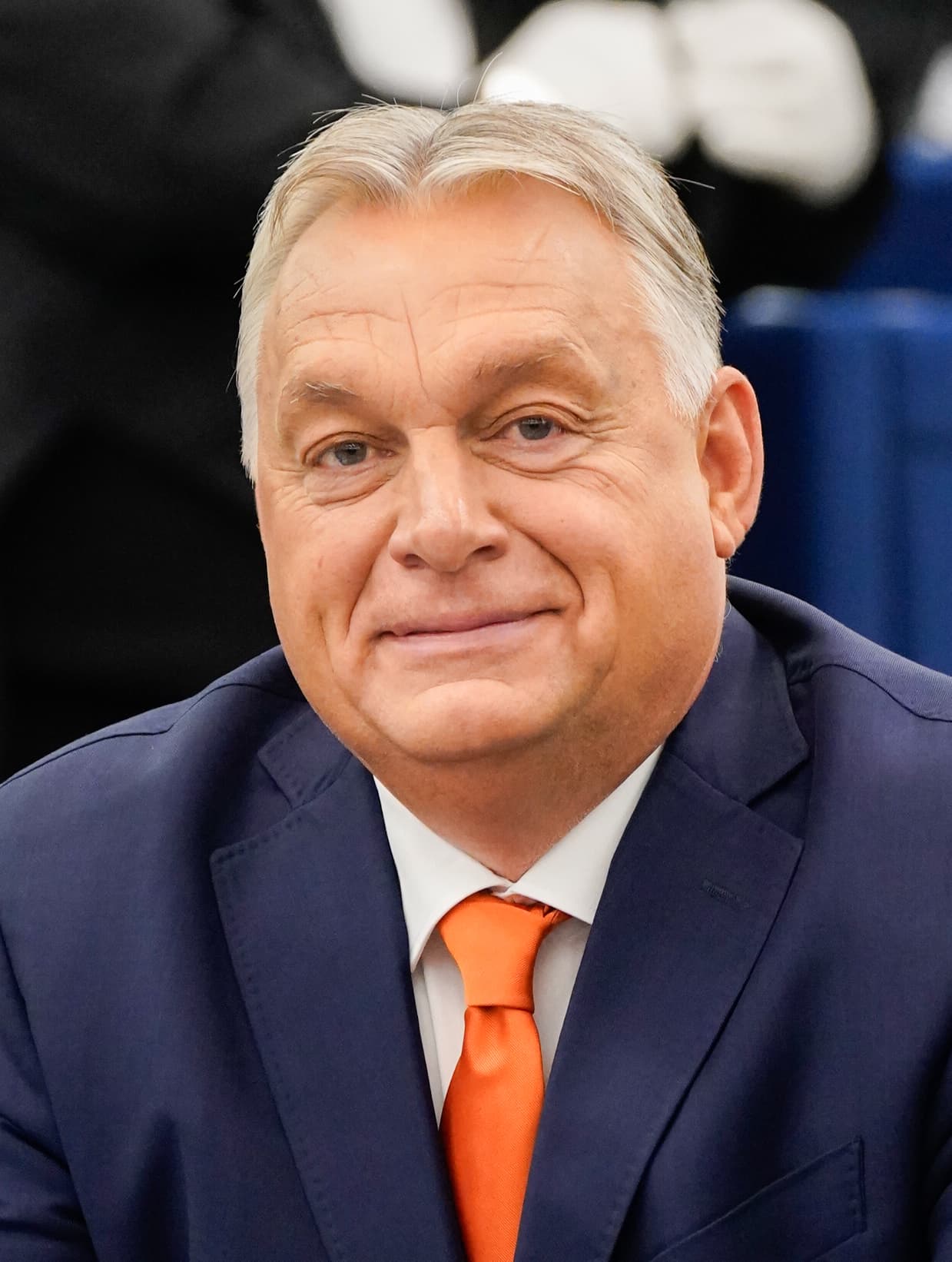
Prime Minister Viktor Orbán walked into the European Council summit in Brussels this morning with a singular, confrontational message, effectively freezing the European Union’s proposed €90 billion (approximately KES 14.7 trillion) financial lifeline to Ukraine. The standoff, centered on the stalled flow of crude through the Druzhba pipeline, transcends mere logistical failure. For Budapest, the dispute represents an existential economic crisis for Brussels, it is a dangerous fracture in the bloc’s unified front against Russian influence, occurring just weeks before a high-stakes Hungarian election.
The impasse has left EU leadership scrambling to reconcile the urgent financial needs of war-torn Ukraine with the domestic political maneuvers of a member state that finds itself increasingly isolated. With the promised funding package meant to cover both military and budgetary requirements through 2027, the potential failure of this loan could have devastating consequences for Kyiv, which expects to exhaust its current liquidity as early as next month. The situation pits the bloc’s collective security against the localized energy dependency of Hungary and Slovakia, the two remaining nations still receiving Russian oil via the southern leg of the Soviet-era Druzhba pipeline.
The Druzhba pipeline—meaning "Friendship" in Russian—has become the central point of a geopolitical tug-of-war. Since January 27, 2026, when critical pumping infrastructure near the Ukrainian town of Brody was severely damaged in a Russian drone strike, oil flow to Central Europe has been effectively severed. Budapest asserts that the interruption is not merely a byproduct of the war, but a deliberate act of political leverage by Kyiv to undermine the Hungarian government.
For the Hungarian administration, the lack of Russian crude is framed as an existential threat. During his arrival at the summit, Prime Minister Orbán made his position explicit, suggesting that without the restoration of these oil supplies, the nation’s households and industrial sector face bankruptcy. However, this claim of an imminent energy collapse is heavily contested by regional analysts and fellow EU leaders, who point to Hungary’s existing, substantial oil storage capacities and its ability to source alternative energy, albeit at a higher cost.
As the April 12 parliamentary elections approach, the intensity of the rhetoric has shifted from technical dispute to open political warfare. Current opinion polling suggests that Orbán’s Fidesz party is trailing the opposition Tisza party by approximately 10 percentage points, creating a high-pressure environment where any external shock—such as rising fuel prices—could prove decisive at the ballot box.
Finland’s Prime Minister Petteri Orpo was among the most vocal critics, openly accusing Orbán of betrayal. During his arrival comments, Orpo stated that Hungary is using the Ukrainian aid package as a weapon in its domestic campaign, a tactic he labeled detrimental to the unity of the European project. This sentiment is echoed by many in the European Council, who believe that Budapest’s blockade is less about oil supply and more about currying favor with a nationalist electorate that views Ukraine as an external provocateur rather than a regional partner.
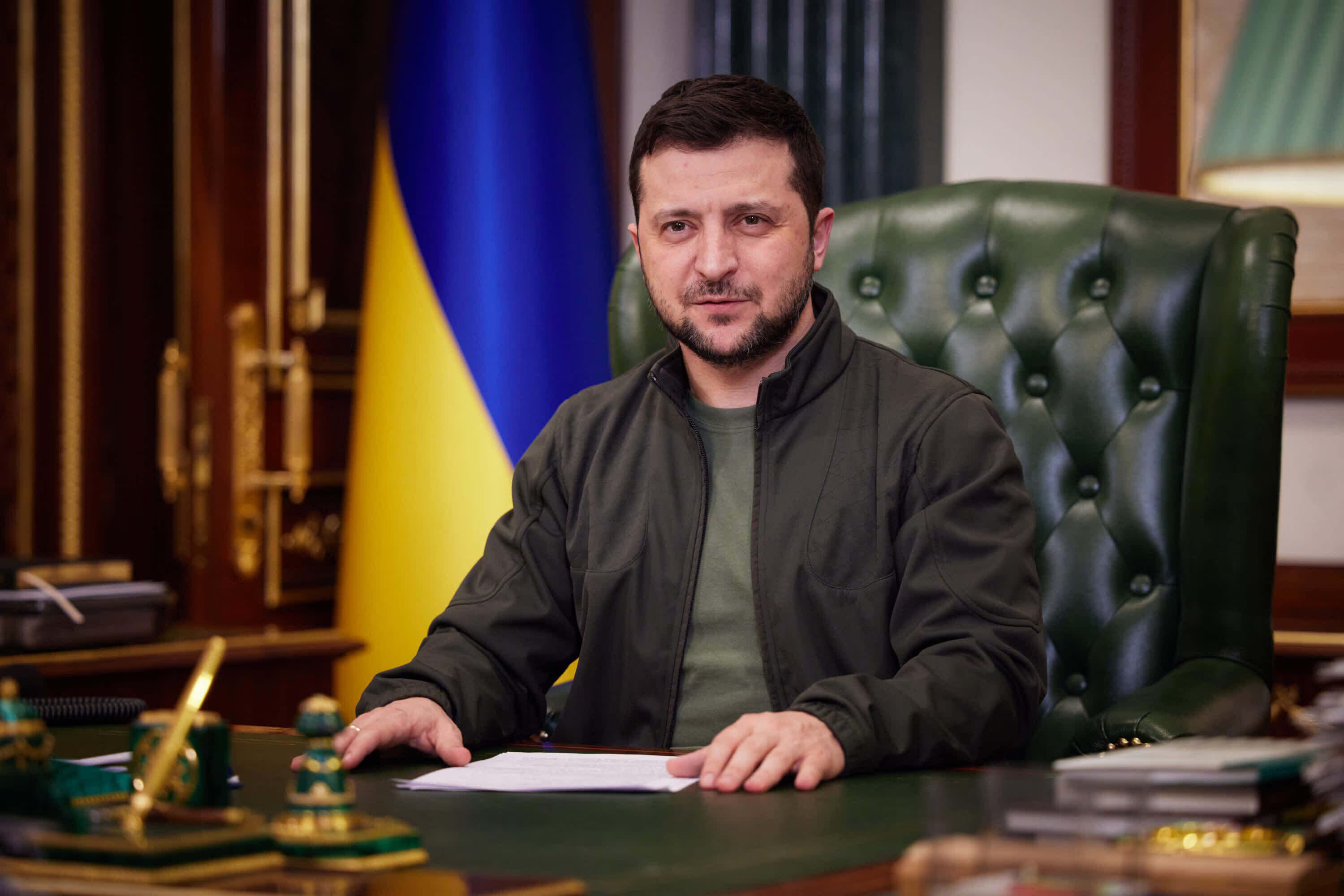
The situation highlights a fundamental vulnerability in the European Union’s decision-making architecture. Because the €90 billion loan requires unanimous approval from all 27 member states, the Union is functionally held hostage by a single veto. Attempts by Brussels to mediate, including an offer to fund the repair of the Ukrainian pumping station, have been met with skepticism. While Ukrainian President Volodymyr Zelenskyy has publicly committed to working toward the restoration of the line, Orbán maintains that he will not authorize the aid until the supply is verified to be flowing again.
This deadlock places the EU in an untenable position. If Brussels bypasses Hungary, it risks setting a precedent that undermines the principle of unanimous cooperation if it waits, it risks the collapse of the Ukrainian state apparatus, which is currently struggling to maintain essential services under the pressure of the ongoing conflict. For informed citizens in Nairobi and across East Africa, the crisis serves as a stark reminder of the volatility inherent in energy dependency. When global powers rely on aging, single-route infrastructure for their primary fuel, the resulting supply shocks do not remain confined to Europe they ripple through global commodity markets, impacting fuel costs from the Mediterranean to the Indian Ocean.
As the summit continues, the question remains whether the threat of isolation—or the promise of technical intervention—will be enough to break the impasse. Whether or not the pumps are turned back on, the damage to the political fabric of the European Union may prove far harder to repair than any pipeline.
Keep the conversation in one place—threads here stay linked to the story and in the forums.
Sign in to start a discussion
Start a conversation about this story and keep it linked here.
Other hot threads
E-sports and Gaming Community in Kenya
Active 10 months ago
The Role of Technology in Modern Agriculture (AgriTech)
Active 10 months ago
Popular Recreational Activities Across Counties
Active 10 months ago
Investing in Youth Sports Development Programs
Active 10 months ago
Key figures and persons of interest featured in this article