We're loading the full news article for you. This includes the article content, images, author information, and related articles.
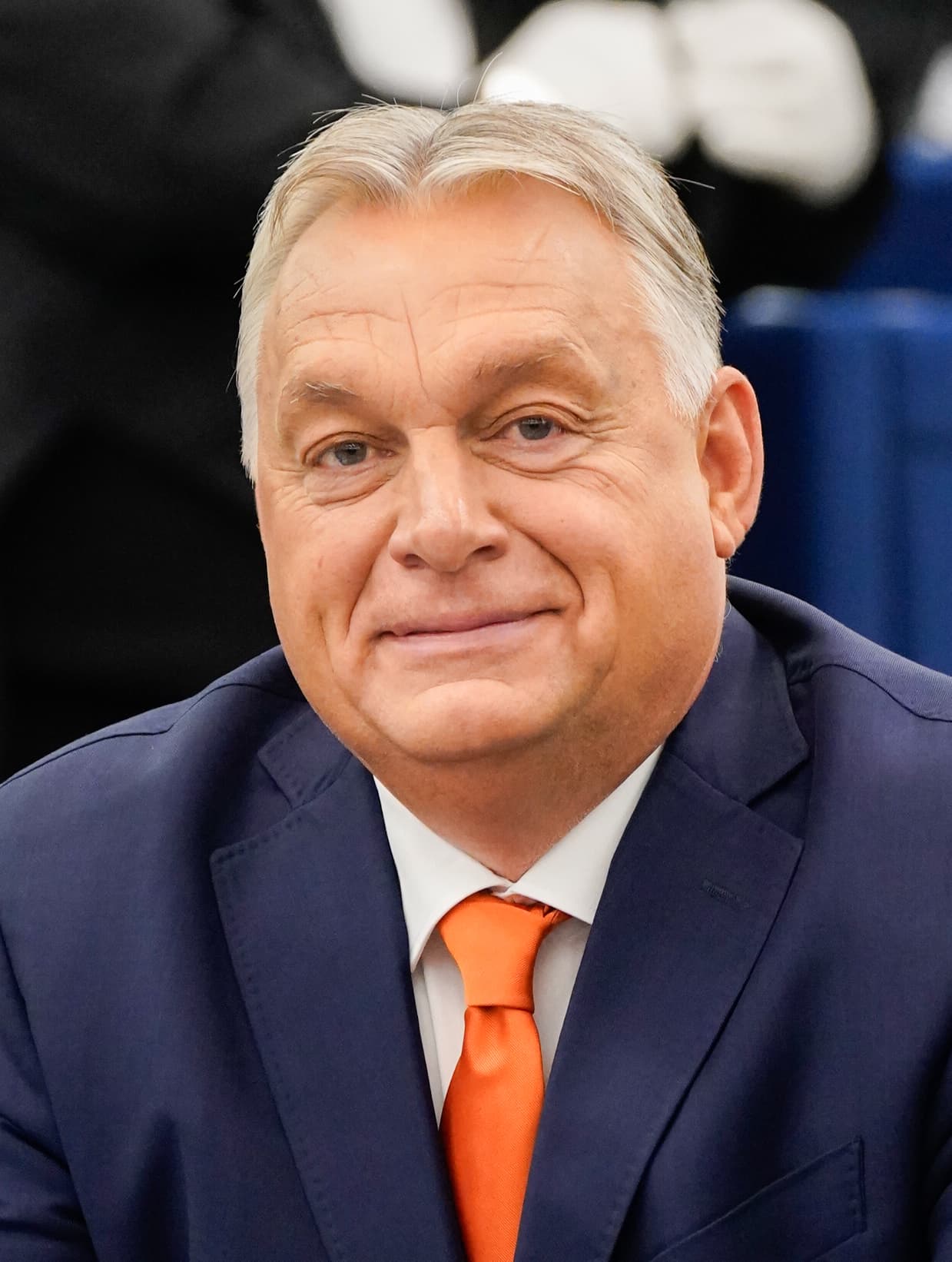
Hungarian Prime Minister Viktor Orbán is blocking a critical €90 billion EU aid package to Ukraine, citing an existential energy crisis over pipeline supply.

The heavy doors of the European Council building in Brussels closed this morning on a gathering expected to focus on continental competitiveness, but internal fractures over the war in Ukraine have once again shattered the agenda. Hungarian Prime Minister Viktor Orbán has arrived with a singular, unyielding demand: the unlocking of the Druzhba pipeline, or the permanent obstruction of a vital €90 billion (approximately KES 14.8 trillion) support package for Kyiv.
This impasse represents a critical pivot point for the European Union. As the bloc attempts to solidify its economic and military stance against Russian influence, the clash between Budapest’s domestic energy needs and the collective geopolitical strategy of the European Union threatens to paralyze decision-making at a moment of extreme vulnerability for the Ukrainian state.
At the center of the dispute lies the Druzhba pipeline, a Soviet-era artery of energy infrastructure that remains a lifeline for landlocked nations like Hungary. Named after the Russian word for friendship, the pipeline is anything but friendly in the current political climate. Orbán maintains that Ukrainian interference with the flow of crude oil through the pipeline constitutes an existential threat to the Hungarian economy, affecting everything from domestic electricity prices to industrial manufacturing output.
However, the narrative is not without its detractors. European Commission officials and independent analysts have repeatedly questioned the timing of this crisis. By framing the supply disruption as an existential issue rather than a logistical challenge, the Hungarian administration has managed to leverage a technical infrastructure dispute to achieve a veto over major foreign policy funding. The current standoff hinges on three distinct pillars:
Political analysts observing the region point to the upcoming parliamentary elections as the primary driver behind the aggressive rhetoric coming from Budapest. With public sentiment sensitive to energy costs, any sign of supply contraction is politically radioactive. By positioning himself as the sole defender of Hungarian households against a perceived indifferent Brussels and a hostile Kyiv, Orbán is attempting to consolidate his base.
Finland’s Petteri Orpo, representing the more hawkish contingent within the European leadership, has not minced words regarding this strategy. In comments made upon his arrival, Orpo suggested that Ukraine is being used as a pawn in a domestic electoral campaign. This accusation underscores a growing exasperation among EU member states. They argue that while energy security is legitimate, using the veto power on a landmark aid package for a war-torn neighbor is a breach of the solidarity upon which the European Union is built.
For a reader in Nairobi, this impasse in Brussels might seem distant, but the global energy market is a highly interconnected web where political instability in Europe translates almost instantly into volatility in East Africa. The European Union remains a primary trading partner for Kenya and much of the East African Community. When the EU stalls on fiscal packages, the uncertainty ripples through global commodity markets, particularly affecting the prices of crude oil and derivatives like fertilizer.
The Hungarian obstructionism does not exist in a vacuum. It contributes to the broader risk premium associated with global trade. If energy prices in Europe surge because of unresolved pipeline disputes, the secondary effects—inflationary pressure, supply chain disruptions, and increased import bills—are felt in the port of Mombasa and across the Kenyan manufacturing sector. Kenyan economists consistently highlight that global price stability in the North is a prerequisite for predictable trade costs in the South.
The refusal of the Hungarian Prime Minister to consider alternative paths, as articulated in his morning remarks to the press, suggests a diplomatic deadlock. When asked if there was any room for negotiation, the response was unequivocal: no other option exists. This absolute stance has left other EU leaders with few levers to pull. The threat of suspending Hungary’s voting rights or further isolating the nation remains a theoretical possibility that carries significant risks of fracturing the bloc even further.
As the summit proceeds, the focus will inevitably shift from long-term economic strategy to crisis management. The failure to authorize the €90 billion aid package would leave Ukraine in a precarious financial position, potentially forcing the country to rely on more volatile, less coordinated funding streams. For Brussels, the challenge is to prove that its collective institutions can withstand the pressures of individual national interests, or risk signaling that the union is only as strong as its most defiant member.
The standoff remains fluid, with negotiations expected to continue late into the night. Whether this is a genuine fight for survival or a masterclass in political maneuvering, the outcome will define the European Union’s capacity to act in unison for the remainder of the decade.
Keep the conversation in one place—threads here stay linked to the story and in the forums.
Sign in to start a discussion
Start a conversation about this story and keep it linked here.
Other hot threads
E-sports and Gaming Community in Kenya
Active 10 months ago
The Role of Technology in Modern Agriculture (AgriTech)
Active 10 months ago
Popular Recreational Activities Across Counties
Active 10 months ago
Investing in Youth Sports Development Programs
Active 10 months ago
Key figures and persons of interest featured in this article