We're loading the full news article for you. This includes the article content, images, author information, and related articles.
The government has released 12.5 million bags of subsidized fertilizer to boost food security ahead of the long rains, targeting registered farmers via NCPB depots.

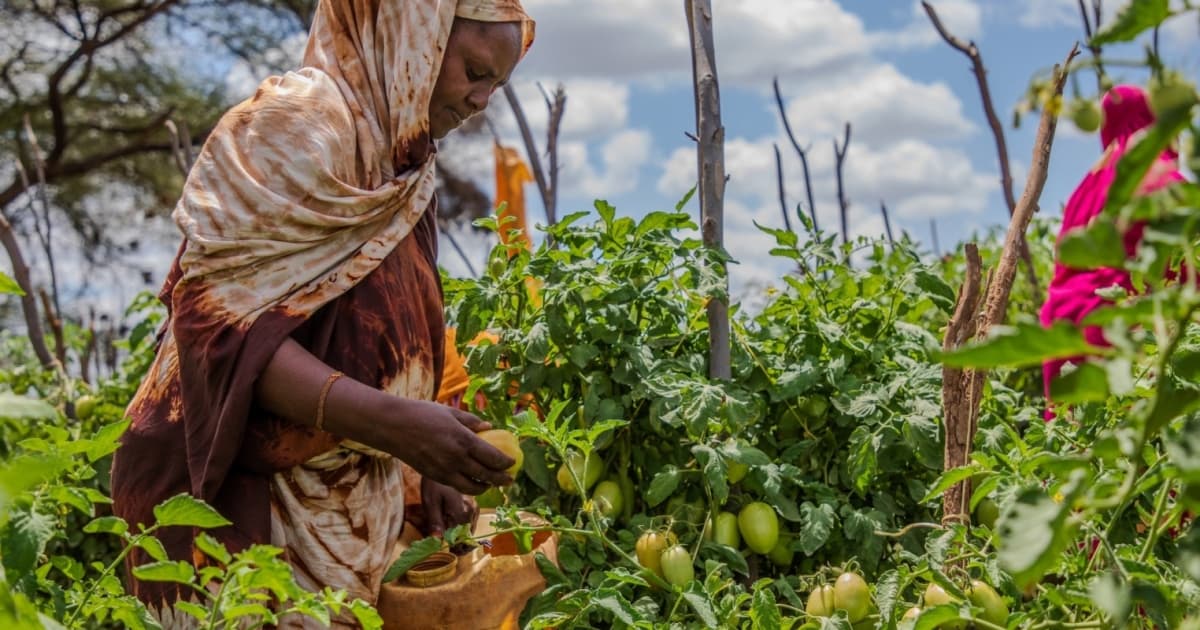
The government has fired the starting gun on the 2026 planting season, rolling out a massive 12.5 million bags of subsidized fertilizer in a race against time before the long rains pound the ground. The strategic intervention aims to lock in food security and shield farmers from the volatility of global input prices.
With the Kenya Meteorological Department forecasting an early onset of rains in key grain-basket counties, the Ministry of Agriculture is taking no chances. The rollout addresses a critical bottleneck: the high cost of production that has historically stifled yields for smallholder farmers. By capping prices and flooding the National Cereals and Produce Board (NCPB) depots, the state intends to turn every arable acre into a productive unit this season.
For the average maize farmer in Trans Nzoia or Uasin Gishu, this subsidy is the difference between profit and penury. The fertilizer will retail at a significantly reduced rate, slashing input costs by nearly 40% compared to commercial market rates. Government spokesperson Isaac Mwaura emphasized that this is not a handout, but an economic stimulus package for the agrarian grassroots.
"Our target is clear: we want to lower the cost of unga by lowering the cost of growing maize," Mwaura stated at a flag-off ceremony. "Every bag that leaves the depot is a step towards a hunger-free Kenya. We are tracking every single bag digitally to ensure it reaches the soil, not the black market."
The timing is deliberate. Early application of basal fertilizer is crucial for maximizing crop nitrogen uptake. Agronomists warn that delaying application by even two weeks after germination can reduce yields by up to 20%. By delivering the inputs now, the government is trying to synchronize the supply chain with the biological clock of the crop.
However, challenges remain. Farmers in remote areas of North Rift are already calling for more satellite depots to cut transport costs. As the first trucks roll out, the success of this 12.5-million-bag gamble will ultimately be measured not in logistics, but in the weight of the harvest come November.
Keep the conversation in one place—threads here stay linked to the story and in the forums.
Sign in to start a discussion
Start a conversation about this story and keep it linked here.
Other hot threads
E-sports and Gaming Community in Kenya
Active 9 months ago
The Role of Technology in Modern Agriculture (AgriTech)
Active 9 months ago
Popular Recreational Activities Across Counties
Active 9 months ago
Investing in Youth Sports Development Programs
Active 9 months ago