We're loading the full news article for you. This includes the article content, images, author information, and related articles.
As erratic weather patterns decimate traditional harvests, the African Seed Trade Association is championing engineered, climate-resilient seeds as the definitive solution to food security.
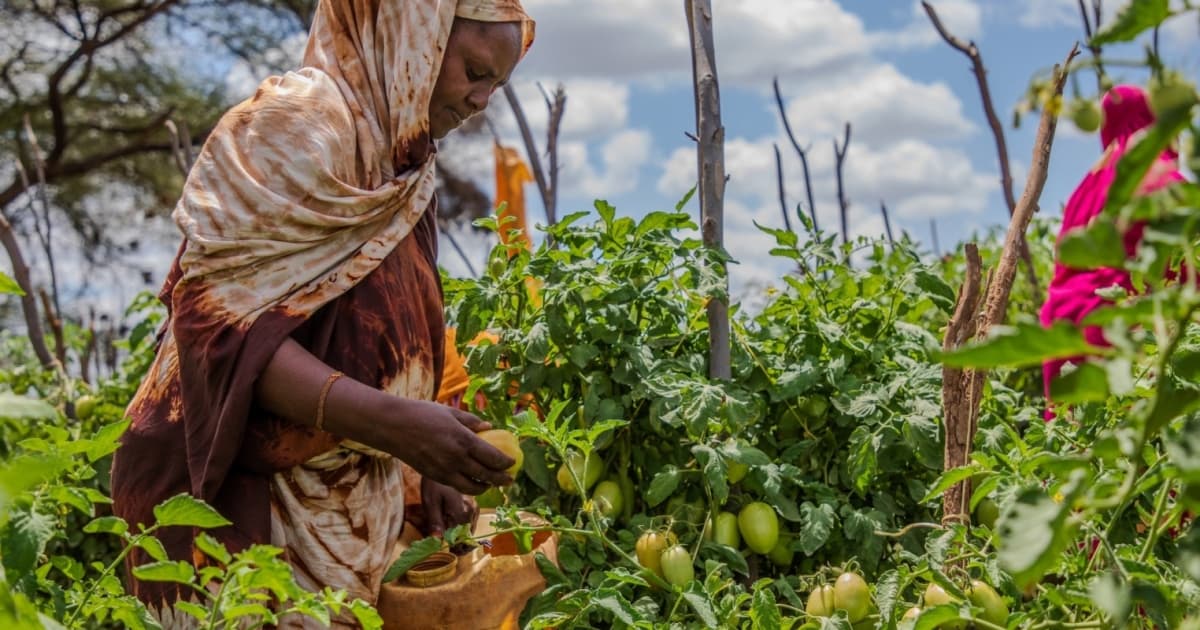
As erratic weather patterns decimate traditional harvests, the African Seed Trade Association is championing engineered, climate-resilient seeds as the definitive solution to the continent’s escalating food security crisis.
The frontlines of climate change are not in international conference halls, but in the parched, unpredictable farmlands of rural Africa. With prolonged droughts, erratic rainfall, and novel pest infestations becoming the new normal, African farmers are facing an existential threat. The solution, agricultural experts argue, lies in the microscopic architecture of the seed itself.
Why are improved seed systems suddenly dominating agricultural policy? The answer is stark survival. Without adapting the fundamental input of farming—the seed—all other agricultural interventions, from fertilizers to mechanization, are rendered useless in the face of climatic hostility. Quality seed varieties now represent the most potent weapon in Africa’s fight against chronic hunger.
According to Dr. Yacouba Diallo, Secretary-General of the African Seed Trade Association (AFSTA), the development of drought-tolerant, heat-resistant, and early-maturing seed varieties is central to climate adaptation. Research indicates that these improved varieties account for an impressive 40% to 50% of recent yield gains across the continent.
African breeders, operating in both public institutions and private enterprises, are aggressively engineering resilience into staple crops like maize, sorghum, and legumes. These biofortified crops not only survive moisture stress but also possess higher micronutrient profiles, directly addressing the dual challenges of starvation and malnutrition.
The impact of this agricultural revolution extends beyond simple food security; it is a catalyst for profound economic transformation across rural Kenya and the broader continent.
Despite the technological leaps, significant challenges remain. The penetration of counterfeit seeds into the market poses a severe risk to vulnerable farmers, who lose entire seasons of investment to fraudulent products. Furthermore, harmonizing seed regulations across African borders remains a complex logistical and political challenge.
As AFSTA prepares for its annual Seed Congress in South Africa this March, the agenda is clear: bridging the gap between high-tech agricultural research and the smallholder farmer. "Without access to quality seed, adaptation efforts are incomplete," Dr. Diallo emphasizes. The future of Africa’s food sovereignty now depends not just on the rain, but on the resilience programmed into the seeds planted in its soil.
Keep the conversation in one place—threads here stay linked to the story and in the forums.
Sign in to start a discussion
Start a conversation about this story and keep it linked here.
Other hot threads
E-sports and Gaming Community in Kenya
Active 9 months ago
The Role of Technology in Modern Agriculture (AgriTech)
Active 9 months ago
Popular Recreational Activities Across Counties
Active 9 months ago
Investing in Youth Sports Development Programs
Active 9 months ago