We're loading the full news article for you. This includes the article content, images, author information, and related articles.
Deputy President Kithure Kindiki announces the expansion of the Nyota programme, targeting 2 million youth with grants and training to boost the bottom-up economy.
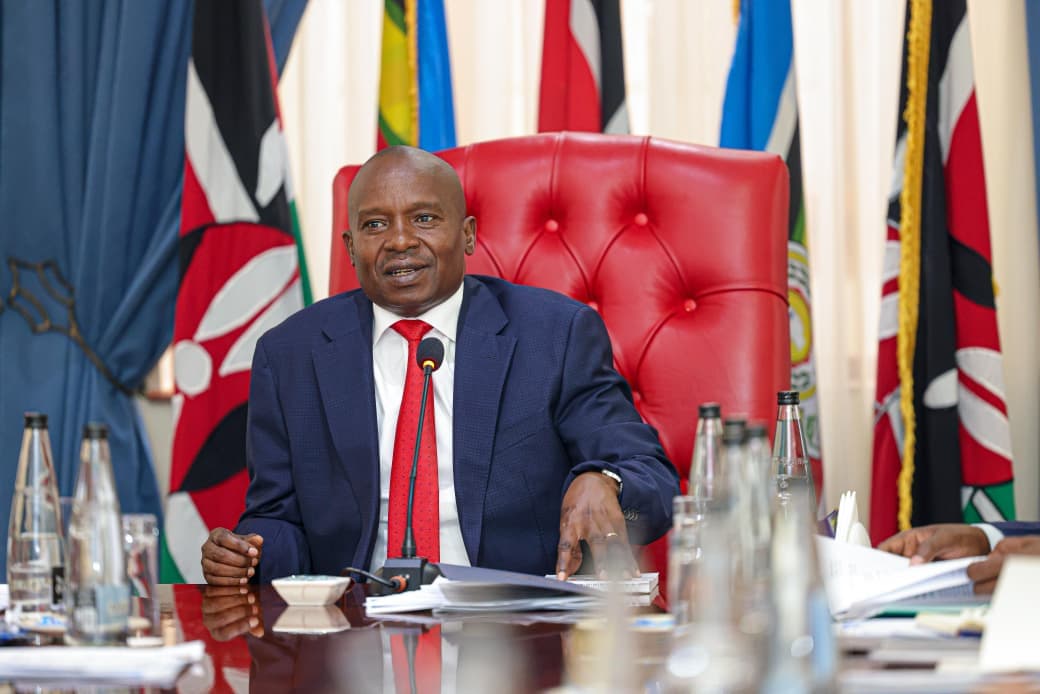
Deputy President Kithure Kindiki has rolled out a massive expansion of the Nyota programme, pledging to pull two million young Kenyans out of poverty through direct state intervention.
Speaking at his Karen residence, Kindiki termed the National Youth Opportunities Towards Advancement (Nyota) initiative as the cornerstone of the government's Bottom-Up Economic Transformation Agenda. The programme, backed by the World Bank, is shifting gears from a pilot phase to a nationwide rollout, targeting the "hustlers" who have been locked out of the formal economy.
The Nyota programme is designed to address the triple threat facing Kenyan youth: lack of capital, lack of skills, and lack of savings. In the first phase, beneficiaries received a grant of Sh22,000 to boost their micro-businesses. "We are now scaling up," Kindiki announced. "We exceeded our initial target of 820,000 and reached one million. Now, we are doubling that number to two million direct beneficiaries."
The structure of the disbursement is unique. Beneficiaries receive a total of Sh50,000, but it is released in tranches based on performance milestones. Crucially, Sh6,000 is automatically deducted and placed into a savings account, fostering a culture of financial discipline. "We are not just giving handouts," the Deputy President emphasized. "We are building a generation of investors. We want the youth to move from job seekers to job creators."
Beyond the economics, the Nyota programme is a potent political tool. By putting cash directly into the pockets of the youth—the country's largest voting bloc—the administration is shoring up its support base ahead of the next election cycle. The "hustler" narrative relies on tangible deliverables, and Nyota is the most visible evidence of the government's commitment to the bottom of the pyramid.
However, critics warn of the risks of patronage and mismanagement. Ensuring the funds reach the intended recipients without being siphoned off by middlemen will be the true test of the programme's success. For now, Kindiki is betting big on the youth, hoping that an economic lifeline today will translate into political loyalty tomorrow.
Keep the conversation in one place—threads here stay linked to the story and in the forums.
Sign in to start a discussion
Start a conversation about this story and keep it linked here.
Other hot threads
E-sports and Gaming Community in Kenya
Active 9 months ago
The Role of Technology in Modern Agriculture (AgriTech)
Active 9 months ago
Popular Recreational Activities Across Counties
Active 9 months ago
Investing in Youth Sports Development Programs
Active 9 months ago