We're loading the full news article for you. This includes the article content, images, author information, and related articles.
The investigation into a New-Zealand based insurer for allegedly covering 'shadow fleet' oil tankers highlights the global crackdown on sanctions evasion, with direct implications for maritime security and the volatile fuel prices affecting Kenyan consumers.
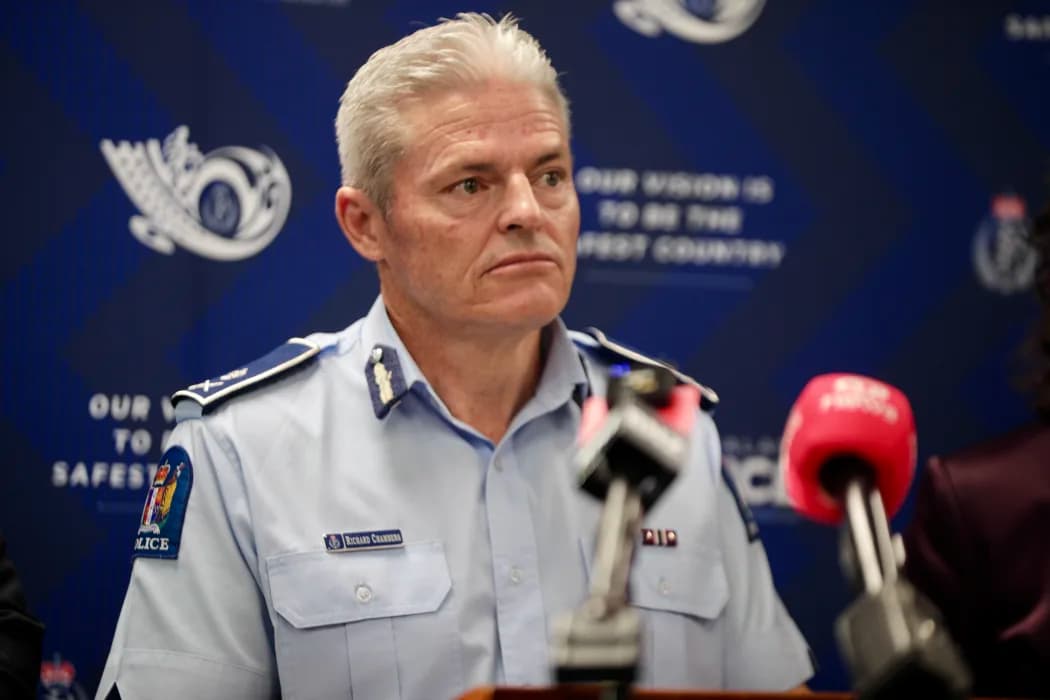
GLOBAL – New Zealand police have executed search warrants on a shipping insurer amid allegations it provided cover for tankers violating international sanctions against Russia, an action with significant global and local implications. Financial crime officers raided the offices of Maritime Mutual Insurance Association (MMIA) in Auckland and Christchurch, as well as a private home, on Wednesday, October 16, 2025, according to a statement from Detective Inspector Christiaan Barnard. The raids were conducted as part of an investigation into alleged breaches of New Zealand's Russia Sanctions Act 2022. While three individuals were spoken to, no charges have been filed as the investigation, which involves international partner agencies, continues. MMIA has categorically denied the allegations, stating it has a "zero-tolerance policy" on sanctions breaches and has never knowingly provided insurance for vessels transporting sanctioned Russian or Iranian energy products.
The investigation places a spotlight on the global effort to choke Russia's revenue streams following its invasion of Ukraine. A key tool in this effort is the price cap on Russian seaborne oil, set at US$60 per barrel by the G7 nations, the European Union, and Australia. This mechanism is designed to keep Russian oil flowing to stabilize global markets while simultaneously slashing Moscow's war-funding profits. Enforcement hinges critically on the Western-dominated maritime insurance industry. Mainstream Protection and Indemnity (P&I) clubs, which insure about 90% of the world's commercial shipping, are barred from covering vessels carrying Russian oil purchased above the cap. This restriction effectively denies tankers access to most major ports and waterways. In response, a so-called "shadow fleet" has emerged, comprising hundreds of aging tankers with opaque ownership structures that utilize non-Western insurance to transport Russian and Iranian oil outside the price cap regime. This illicit trade not only undermines sanctions but also poses severe environmental and safety risks due to the fleet's poor maintenance and lack of reputable insurance coverage.
While the police raids occurred thousands of kilometers away, the issue of sanctions enforcement has direct consequences for the Kenyan economy. Kenya, like many nations, is highly exposed to global oil price volatility. The price of fuel, which impacts everything from transport to the cost of basic goods, is regulated monthly by the Energy and Petroleum Regulatory Authority (EPRA) and is directly tied to the landed cost of imported refined petroleum. Any disruption in global supply or spike in crude prices, which can be triggered by geopolitical events like sanctions and their evasion, is quickly felt at the pump by Kenyan motorists and businesses. The existence of a large, unregulated shadow fleet creates a two-tiered market that introduces significant uncertainty. Furthermore, the Port of Mombasa is a critical gateway for regional trade, and the safety of international shipping lanes in the Indian Ocean is paramount. The proliferation of poorly insured and aging tankers increases the risk of catastrophic oil spills and other maritime incidents, threatening vital marine ecosystems and coastal economies in the region.
The investigation into MMIA is part of a broader, coordinated effort by New Zealand, the United States, the United Kingdom, and Australia to clamp down on sanctions evasion. Under New Zealand's Russia Sanctions Act 2022, entities found guilty of breaches face fines of up to NZ$1 million (approx. KSh 76 million), while individuals can face up to seven years in prison. The purpose of the act is to enable New Zealand to enforce sanctions in response to Russia's military actions. According to a Reuters investigation, MMIA's revenues surged significantly after sanctions on Russia and Iran were tightened, and the firm allegedly insured nearly one in six shadow fleet tankers sanctioned by Western governments. The outcome of this high-profile case will be watched closely as a measure of the international community's ability to enforce its economic sanctions and contain the growing risks posed by the shadow shipping trade.
Keep the conversation in one place—threads here stay linked to the story and in the forums.
Sign in to start a discussion
Start a conversation about this story and keep it linked here.
Other hot threads
E-sports and Gaming Community in Kenya
Active 9 months ago
The Role of Technology in Modern Agriculture (AgriTech)
Active 9 months ago
Popular Recreational Activities Across Counties
Active 9 months ago
Investing in Youth Sports Development Programs
Active 9 months ago