We're loading the full news article for you. This includes the article content, images, author information, and related articles.
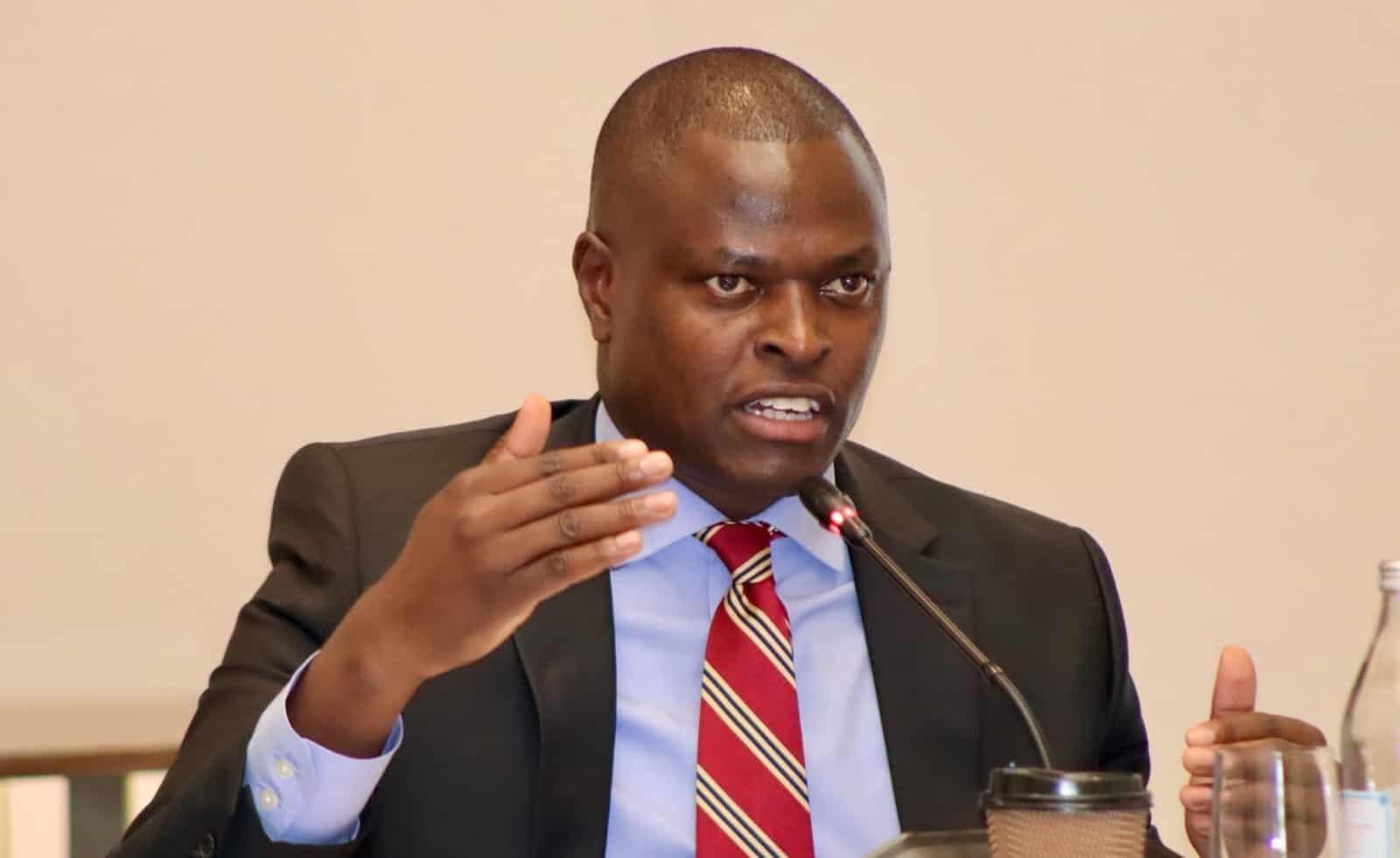
**Kiharu MP Ndindi Nyoro has issued a stark warning over the country's escalating debt, cautioning that unchecked borrowing at a rate of KES 3.5 billion daily poses a grave threat to Kenya's economic stability.**
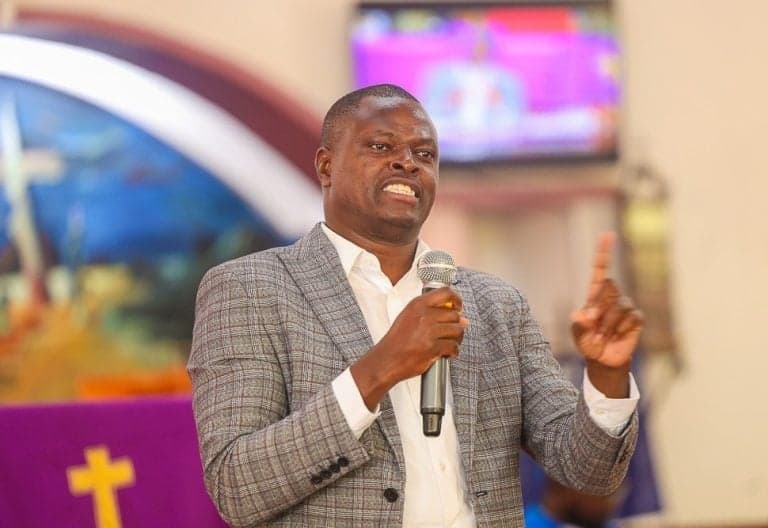
Kiharu Member of Parliament Ndindi Nyoro has sounded a fresh alarm on the nation’s soaring public debt, declaring that Kenya is borrowing at an unsustainable rate of KES 1.25 trillion annually. This figure, he noted, translates to a staggering KES 3.5 billion accumulated in debt each day, pushing the country towards a precarious financial cliff.
The warning thrusts Kenya's fiscal health back into the national spotlight, raising urgent questions about the sustainability of the government's expenditure and its direct impact on the cost of living for ordinary citizens. With total public debt crossing the KES 12 trillion mark in September 2025, Nyoro's claims amplify concerns from economists and the public over the long-term consequences of this borrowing appetite.
According to Nyoro, a former chairman of the powerful Budget and Appropriations Committee, the country's official debt has surged from KES 8.7 trillion to KES 12.5 trillion in under three years. This rapid accumulation, he argued, means the current administration is borrowing annually what the Mwai Kibaki government borrowed over its entire ten-year tenure.
Official data provides a sobering context to these claims:
Nyoro further alleged that the official figures do not tell the whole story, pointing to off-budget borrowing through mechanisms like securitisation. He claimed the government has already borrowed KES 175 billion against future fuel levy collections, a move not captured in the formal budget.
For Kenyans, this mountain of debt is not just a set of abstract numbers. A significant portion of government revenue, which comes from citizens' taxes, is now dedicated to servicing these loans. Reports indicate that debt servicing costs consume up to 67% of ordinary revenue, crowding out spending on essential services.
This fiscal pressure has tangible consequences, including budget cuts in critical sectors. Nyoro highlighted a recent circular from the Ministry of Education that reduced capitation per student in day secondary schools, effectively transferring the cost burden to parents. Analysts warn that as more resources are diverted to debt repayment, funding for healthcare, infrastructure, and social protection programs is squeezed, worsening inequality.
The government, however, maintains that its economic path is sound. President William Ruto recently stated that he has had to make difficult but necessary decisions to avoid defaulting on the country's obligations, ensuring Kenya remains on a stable economic trajectory. Officials argue that borrowing is essential for development, and they have shifted towards more domestic borrowing to reduce exposure to foreign exchange risks.
As the debate rages, Nyoro's warning serves as a critical call for transparency and a national conversation on the country's economic future. “Before setting up another trillion-shilling fund, those in government must face Kenyans and explain what they have done with the money already borrowed,” he challenged.
Keep the conversation in one place—threads here stay linked to the story and in the forums.
Sign in to start a discussion
Start a conversation about this story and keep it linked here.
Other hot threads
E-sports and Gaming Community in Kenya
Active 10 months ago
Popular Recreational Activities Across Counties
Active 10 months ago
The Role of Technology in Modern Agriculture (AgriTech)
Active 10 months ago
Investing in Youth Sports Development Programs
Active 10 months ago
Key figures and persons of interest featured in this article