We're loading the full news article for you. This includes the article content, images, author information, and related articles.
Kiharu MP Ndindi Nyoro is challenging a proposed Sh17 billion State House budget, sparking a debate on fiscal discipline and public spending priorities.

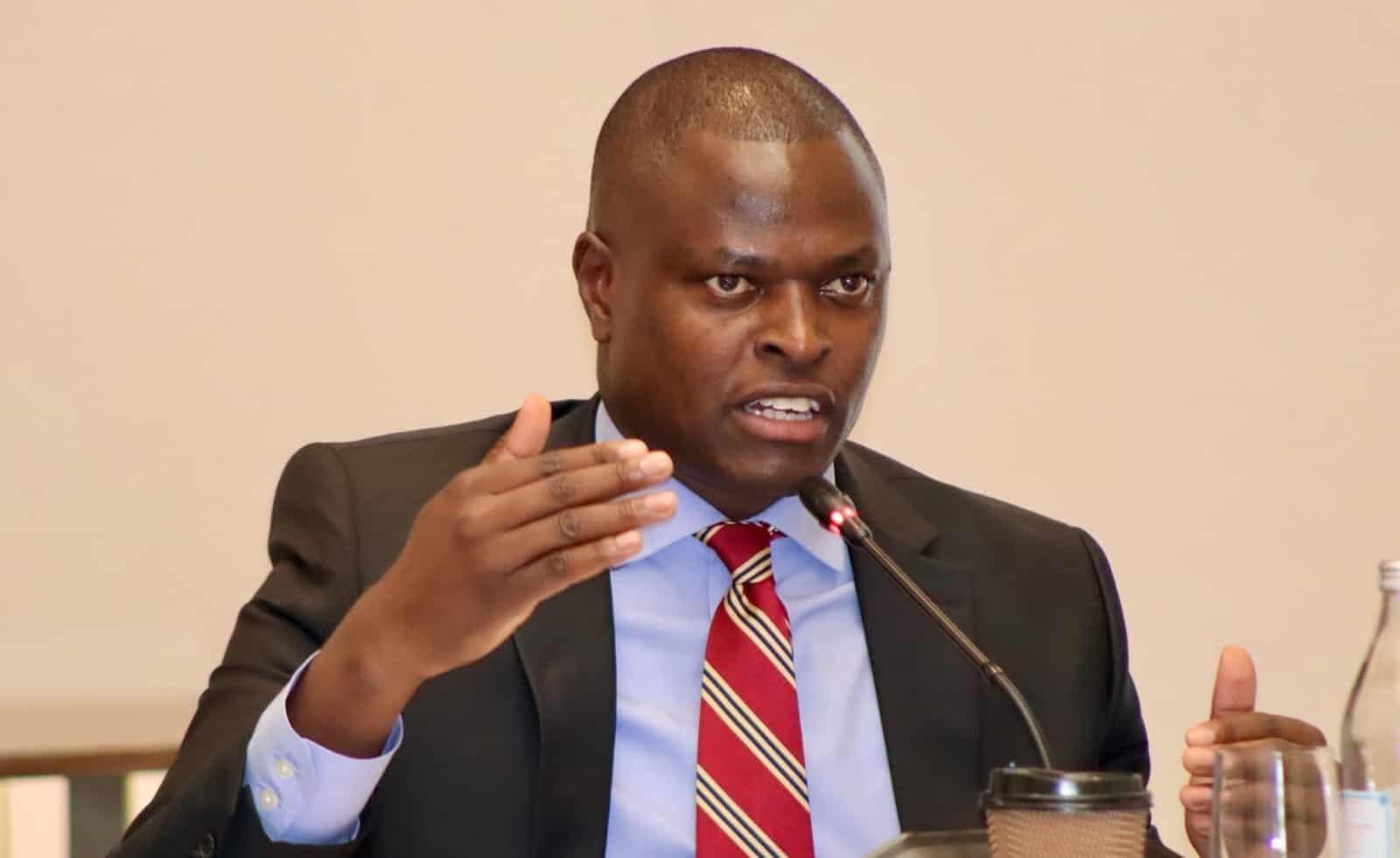
Kiharu Member of Parliament Ndindi Nyoro, in his capacity as the Chair of the Budget and Appropriations Committee, has cast a sharp spotlight on the executive branch's spending priorities, specifically criticizing a proposed Sh17 billion allocation earmarked for State House operations. The objection, raised during parliamentary budget deliberations in Nairobi, has ignited a fierce debate regarding fiscal discipline within the government and the appropriate allocation of public funds during a period of sustained economic tightening.
For the informed Kenyan citizen, this dispute is far more than a technical argument over line items in the 2026/2027 fiscal framework. It represents a deepening fault line between the legislature’s constitutional mandate to oversee public expenditure and the executive’s persistent demand for operational capital. At a time when the cost of living remains a primary concern for households across the country, the optics of an eight-figure allocation for the seat of power have provided a rallying point for those demanding greater government transparency and restraint.
The Sh17 billion (approximately $130 million) in question is ostensibly designated for various operational needs, ranging from administrative overheads to security and maintenance of state facilities. However, the Budget and Appropriations Committee, led by Nyoro, has questioned the granularity of these figures, suggesting that the allocation lacks the necessary justification required in a constrained fiscal environment. The committee, which holds the power of the purse, has signaled that it will not rubber-stamp budget requests without rigorous interrogation of their necessity.
Legislative analysts note that this pushback is a significant shift in the parliamentary approach to executive budgets. Traditionally, state house allocations have been treated with a degree of deference, often escaping the level of scrutiny applied to ministries such as Health or Education. Nyoro’s move to challenge the figure suggests a emboldened committee willing to prioritize the public interest over executive convenience. The core of his argument rests on the principle of value for money, asserting that every shilling allocated must demonstrate a direct, quantifiable benefit to the nation.
The tension surrounding this allocation is heightened by the broader economic backdrop facing the nation. Data from the Central Bank of Kenya and international financial institutions indicates that the government is navigating a difficult path of fiscal consolidation, necessitated by high debt-servicing obligations and a sluggish global trade environment. When the executive branch requests significant capital injections while simultaneously championing austerity measures across other departments, it creates a political paradox that is increasingly difficult to justify to a weary public.
The controversy aligns with global trends where governments are under immense pressure to reconcile high operational costs with stagnant revenue growth. In comparable economies, such as those in the ASEAN bloc or parts of Latin America, legislative bodies have increasingly demanded granular audits of executive spending before approving annual budgets. The following breakdown illustrates the potential opportunity cost of the Sh17 billion allocation currently under scrutiny by the parliamentary committee:
The confrontation between Nyoro and the executive over the budget also highlights the evolving nature of Kenya’s parliamentary democracy. By publicly slamming the allocation, the Kiharu MP is asserting the autonomy of the Budget and Appropriations Committee. Historically, such committees have often been viewed as conduits for the executive’s agenda. This latest development signals a departure from that norm, where the committee is positioning itself as a vital check on power rather than a mere administrative hurdle.
Political observers in Nairobi suggest that this move carries significant political weight. It forces members of the ruling coalition to choose between party loyalty and their constituents’ demands for accountability. Furthermore, it complicates the executive branch’s strategy for passing the upcoming national budget, as they must now contend with a more inquisitive and demanding legislative body. The committee’s insistence on detailed justifications for the Sh17 billion is expected to set a new precedent for future budget cycles.
For the average Kenyan, the discourse surrounding the State House budget reflects a broader dissatisfaction with perceived government wastage. Social media sentiment and public forums have echoed the sentiments expressed by the committee, with citizens questioning why large sums are prioritized for state facilities while schools lack desks and clinics face medicine shortages. The government’s response to this pressure will be critical in shaping public trust throughout the remainder of the fiscal year.
As the debate moves into the next phase of the budget-making process, the burden of proof now rests with the executive to demonstrate that these funds are essential for the effective running of the nation. Whether the allocation is trimmed, reallocated, or justified with renewed transparency remains to be seen. What is clear, however, is that the era of unquestioned budgetary allocations is drawing to a close, and the mandate for fiscal accountability has never been more pressing.
The coming weeks of parliamentary debate will likely prove defining for the current administration. If the Budget and Appropriations Committee succeeds in forcing a review, it will mark a victory for legislative oversight and a clear signal that the status quo of executive spending is under intense, public, and necessary examination.
Keep the conversation in one place—threads here stay linked to the story and in the forums.
Sign in to start a discussion
Start a conversation about this story and keep it linked here.
Other hot threads
E-sports and Gaming Community in Kenya
Active 10 months ago
Popular Recreational Activities Across Counties
Active 10 months ago
The Role of Technology in Modern Agriculture (AgriTech)
Active 10 months ago
Investing in Youth Sports Development Programs
Active 10 months ago
Key figures and persons of interest featured in this article