We're loading the full news article for you. This includes the article content, images, author information, and related articles.
Beneath the quiet hills of a key agricultural county, a surge in domestic violence is leaving families shattered and communities demanding answers.
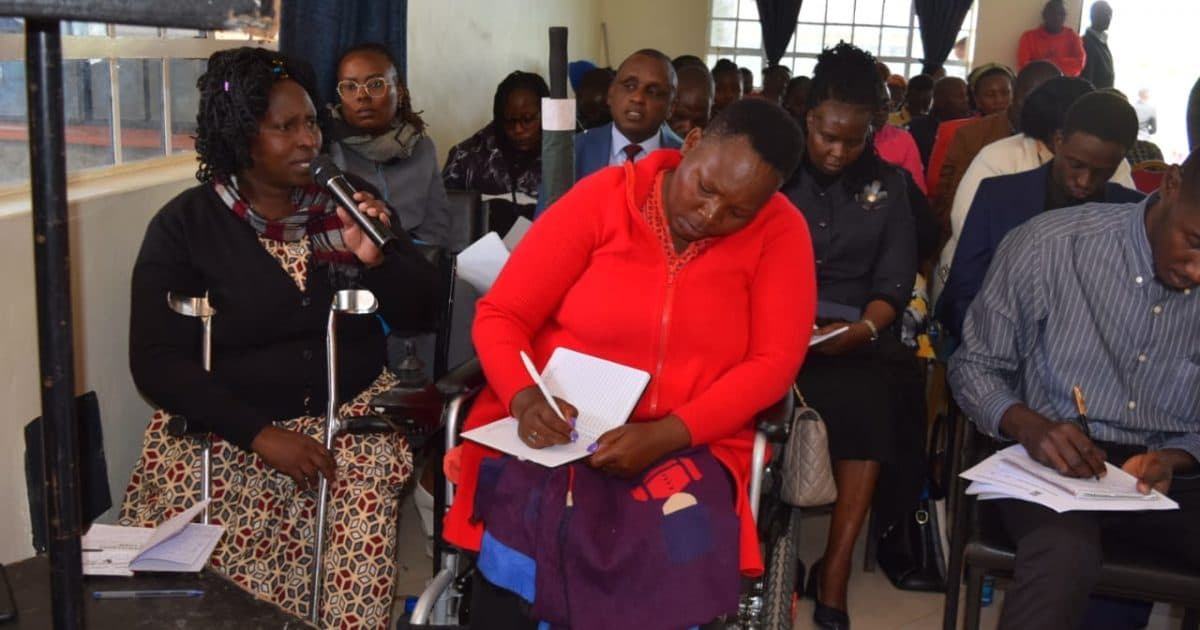
A deserted homestead and a solitary grave in Kinangop are all that mark the life of Monica Muthoni. She was a mother of four, murdered by her husband in an act of gender-based violence (GBV) that highlights a deepening crisis gripping Nyandarua County, leaving children orphaned and a community in shock.
This is not an isolated tragedy. It is the brutal face of a county grappling with alarming rates of violence behind closed doors. The story of Muthoni’s family, whose eldest son now struggles to support his three younger siblings, underscores the devastating ripple effect of a problem that leaders warn is escalating beyond their capacity to respond.
Nyandarua is facing a significant GBV challenge. According to the 2022 Kenya Demographic and Health Survey, the county's statistics paint a grim picture compared to national averages:
An older government-funded study, the Kenya Integrated Household Budget Survey, had previously shown that in 2016, nearly three in ten people (27.6%) in Nyandarua required hospital treatment for injuries from domestic fights, a figure sixteen times the national average of 1.7% at the time.
Leaders and community members point to a toxic mix of socio-economic pressures and substance abuse as primary drivers of the violence. Nyandarua Woman Representative Faith Gitau has directly linked nearly every GBV case to alcohol or drug abuse, questioning the continued licensing of bars in rural homesteads which makes alcohol easily accessible. This is compounded by underlying issues prevalent across Kenya, including poverty, unemployment, and deeply ingrained patriarchal beliefs that normalize violence against women.
The pressure is immense on families. When economic stability is threatened, especially in agricultural communities dependent on fluctuating incomes, tensions can escalate into violence. In Muthoni's case, her son recounted a long history of violence, noting that even after his father was arrested for a previous assault, societal and church pressure urged forgiveness, a common barrier for survivors seeking justice.
The official response is struggling to keep up. The office of the Woman Representative, a key local resource for victims, admits it is overwhelmed by the sheer volume of cases and relies heavily on well-wishers to support orphaned children with education and housing. This strain reflects a national challenge where survivors face significant barriers. Many do not report incidents due to fear of stigma, economic dependency on the abuser, or a lack of faith in the justice system.
While Kenya has legal frameworks like the Sexual Offences Act and a national hotline (1195) for reporting, enforcement and access to support services remain inconsistent. For the children of Monica Muthoni, support has come from their uncle and the Woman Representative's office, which pays the university fees for the eldest son, Michael Kamau. But for countless others, the path to safety and justice is unclear.
“What breaks my heart is that children suffer the most,” Ms. Gitau emphasized, highlighting the generational trauma inflicted by the violence. Her words are a stark reminder of the hidden victims in Nyandarua's escalating crisis.
Keep the conversation in one place—threads here stay linked to the story and in the forums.
Sign in to start a discussion
Start a conversation about this story and keep it linked here.
Other hot threads
E-sports and Gaming Community in Kenya
Active 9 months ago
The Role of Technology in Modern Agriculture (AgriTech)
Active 9 months ago
Popular Recreational Activities Across Counties
Active 9 months ago
Investing in Youth Sports Development Programs
Active 9 months ago
Key figures and persons of interest featured in this article