We're loading the full news article for you. This includes the article content, images, author information, and related articles.
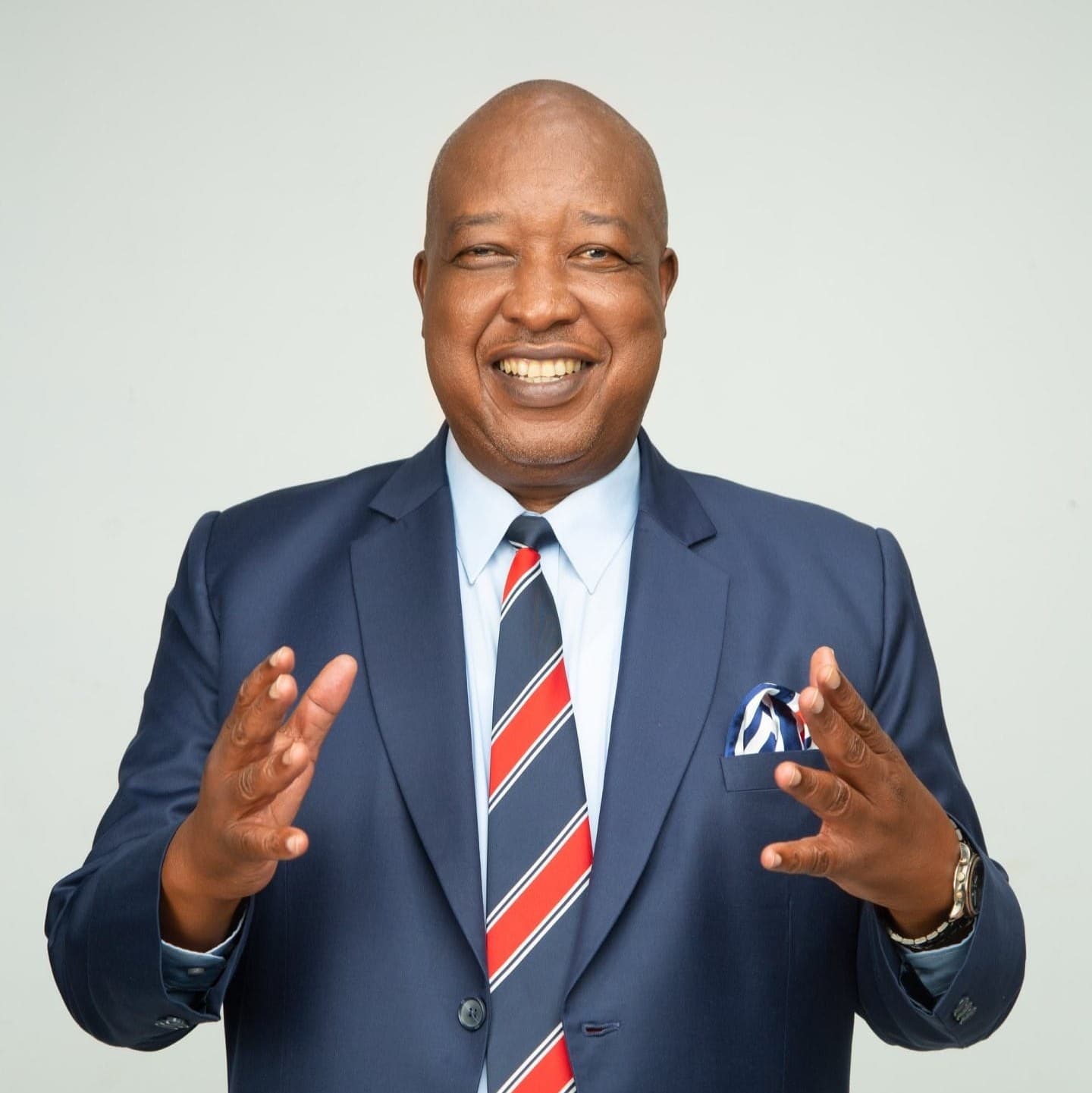
Nyamira Governor Amos Nyaribo is fortifying his administration against legislative hostility, announcing a sweeping cabinet reshuffle to cement control.

Nyamira Governor Amos Nyaribo is fortifying his administration against a backdrop of legislative hostility, announcing a sweeping cabinet reshuffle just months after narrowly evading removal from office. The reorganization, gazetted in late February, marks a pivotal strategic realignment as the Governor seeks to consolidate loyalty and accelerate project delivery ahead of the 2027 General Elections.
This reshuffle is not merely an administrative adjustment but a calculated survival tactic. For the residents of Nyamira, who have watched their county governance stagnate amid prolonged conflict between the executive and the County Assembly, the move signals a high-stakes bet by Nyaribo to stabilize his fractured government. As the administration pivots from the brink of political collapse to an aggressive pre-election campaign posture, the efficacy of these new appointments will determine whether the county finally stabilizes or descends into further partisan gridlock.
The cabinet changes, officially announced on February 26, 2026, and mandated to take effect in early March, touch on the most critical dockets of the county government. Governor Nyaribo has effectively swapped key personalities, potentially diffusing pockets of dissent within his executive ranks while placing trusted allies in positions that command significant budget oversight. The changes follow a pattern observed in several other devolved units where governors, fearing legislative sabotage, tighten control over the purse strings and critical infrastructure dockets.
For analysts, these moves reflect an effort to streamline the treasury. By placing an operative like Oboso in Finance, the Governor is signaling a shift toward direct oversight of the county’s spending—a move likely intended to curb the influence of external political interests that played a central role in the impeachment motions against him throughout 2025.
The Governor’s survival remains a subject of intense political debate. In November 2025, Nyamira County reached a boiling point when a majority of Members of the County Assembly (MCAs) voted to impeach Governor Nyaribo. The charges were severe: gross violation of the Constitution, abuse of office, and the controversial endorsement of the so-called “Bunge Mashinani”—a parallel legislative faction that operated outside official chambers for months. The subsequent Senate proceedings and legal battles, which eventually allowed the Governor to remain in office, left the county deeply divided.
This period of instability was marked by total paralysis. For nearly six months, county services were compromised, and budgetary approvals were delayed as the two legislative factions claimed legitimacy. The economic cost to the region has been significant, with public participation in budget-making and project implementation suffering delays that have left residents in rural wards questioning the sustainability of the current executive-legislative model. The political friction has become a defining feature of the Nyaribo administration, creating a cycle where governance is constantly subordinated to the need for political survival.
The human cost of this turbulence is visible across Nyamira. In the health sector, despite local initiatives, maternal mortality rates—currently estimated at 349 per 100,000 live births—remain a critical policy challenge. While the Governor has prioritized certain surgical camps, critics argue that the internal political squabbling prevents the continuity required for long-term health infrastructure projects. The recent reshuffle is ostensibly aimed at efficiency, yet it creates a vacuum of institutional memory within the departments as new leadership takes charge, potentially stalling ongoing programs for the duration of the transition.
The relationship between the Governor and the MCAs is now more transactional than ever. As the 2027 election cycle approaches, the political temperature in Nyamira will only rise. The Governor’s UPA party banner remains the vehicle for his ambitions, but his ability to secure a second term will depend heavily on whether the current cabinet shake-up translates into tangible development or if it is merely perceived as a partisan consolidation.
Observers of the devolution process in Kenya often point to Nyamira as a cautionary tale of how executive overreach and legislative obstructionism can derail local growth. With the cabinet now reconfigured, the focus shifts to the county assembly’s reaction. Will the MCAs accept these changes as a pathway to cooperation, or will they view the reshuffle as a provocation? The stability of the remaining term rests on a narrow ledge, where every administrative decision is interpreted through the lens of electoral survival. As the Governor attempts to steer his administration into the final stretch of his term, the residents of Nyamira remain the ultimate stakeholders in this ongoing political drama, waiting to see if the shuffling of desks will lead to the clearing of debts, completion of roads, and the fulfillment of stalled health promises.
Keep the conversation in one place—threads here stay linked to the story and in the forums.
Sign in to start a discussion
Start a conversation about this story and keep it linked here.
Other hot threads
E-sports and Gaming Community in Kenya
Active 10 months ago
Popular Recreational Activities Across Counties
Active 10 months ago
The Role of Technology in Modern Agriculture (AgriTech)
Active 10 months ago
Investing in Youth Sports Development Programs
Active 10 months ago
Key figures and persons of interest featured in this article