We're loading the full news article for you. This includes the article content, images, author information, and related articles.
The Motorist Association of Kenya is demanding urgent transparency from the NTSA over a catastrophic shortage of 70,000 vehicle number plates.
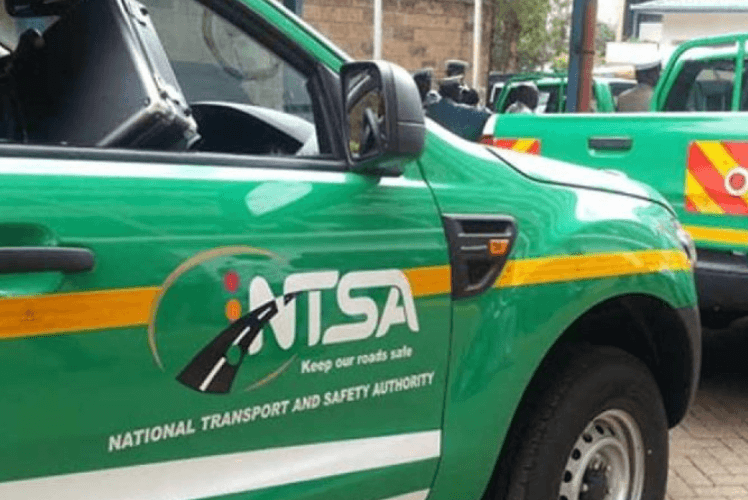
The Motorist Association of Kenya (MAK) is demanding urgent transparency from the National Transport and Safety Authority (NTSA) over a catastrophic shortage of 70,000 vehicle number plates despite upfront payments by citizens.
The crippling shortage has paralyzed the automotive sector, leaving thousands of newly imported vehicles stranded. MAK attributes the crisis to severe delays in fund disbursements from the National Treasury to the NTSA, which has left suppliers unpaid and production halted.
This bureaucratic paralysis is a glaring example of systemic inefficiency and financial mismanagement within state corporations. The inability to deliver basic, mandatory services despite collecting exorbitant upfront fees and excise duties severely undermines public trust, sabotages economic productivity, and exposes the deep structural flaws in Kenya's revenue allocation mechanisms.
The frustration among Kenyan motorists has reached a boiling point. The core of MAK's argument rests on a profound, logical contradiction: if vehicle owners are legally mandated to pay for number plates upfront during registration, and importers pay crippling excise duties that often match the vehicle's entire Cost, Insurance, and Freight (CIF) value, how can the state lack the funds to manufacture a simple piece of metal? This discrepancy points toward a severe misallocation of collected revenues. The funds appear to be swallowed by the National Treasury’s consolidated account, rather than being ring-fenced for the specific service they were intended to provide. The cost of a new vehicle often exceeds $15,000 (approx. KES 1.95 million), representing a massive investment for a Kenyan family or business. Forcing these assets to sit idle due to administrative incompetence is economically destructive. It strangles logistics companies, delays commercial operations, and inflicts unnecessary financial pain on citizens who have fully complied with the law.
The number plate crisis is symptomatic of a much larger disease infecting Kenya's public procurement and financial management systems. Suppliers are routinely subjected to devastating payment delays, which cripples their cash flow and forces them to halt operations. In this instance, the inability to procure the necessary raw materials for plate manufacturing has created a massive backlog. The NTSA, despite being the face of the crisis, is effectively held hostage by the Treasury's erratic disbursement schedules. This lack of financial autonomy for essential service authorities is a critical design flaw in government operations. Furthermore, the reliance on a monopolized, state-controlled production system for number plates exacerbates the vulnerability of the supply chain. A shift towards a more decentralized, publicly accountable, and financially independent model for the NTSA is urgently required to prevent the recurrence of such paralyzing shortages.
The ripple effects of this shortage are being felt across the entire East African economy. Car dealerships are facing canceled orders, the insurance industry is losing premiums on unregistered vehicles, and the government itself is bleeding potential revenue from delayed road maintenance levies. As the clock struck 09:00 EAT, marking the beginning of another fruitless business day for stranded motorists, the anger on the streets was palpable. The MAK's demand for an immediate audit of how these specific funds have been utilized is entirely justified. The government must treat this not as a minor administrative hiccup, but as a severe breach of the social contract. Citizens pay taxes and fees with the expectation of receiving efficient, reliable services. When the state fails to uphold its end of the bargain, it erodes the very foundation of civic duty and encourages systemic evasion.
Transparency is not a privilege; it is a fundamental right for every taxpayer funding the machinery of government.
Keep the conversation in one place—threads here stay linked to the story and in the forums.
Sign in to start a discussion
Start a conversation about this story and keep it linked here.
Other hot threads
E-sports and Gaming Community in Kenya
Active 9 months ago
The Role of Technology in Modern Agriculture (AgriTech)
Active 9 months ago
Popular Recreational Activities Across Counties
Active 9 months ago
Investing in Youth Sports Development Programs
Active 9 months ago