We're loading the full news article for you. This includes the article content, images, author information, and related articles.
Nina Hanssen, an award-winning Norwegian journalist with deep roots in Kenya, argues in a recent commentary that the nation's correctional facilities are failing both inmates and society, advocating for a shift towards rehabilitation.
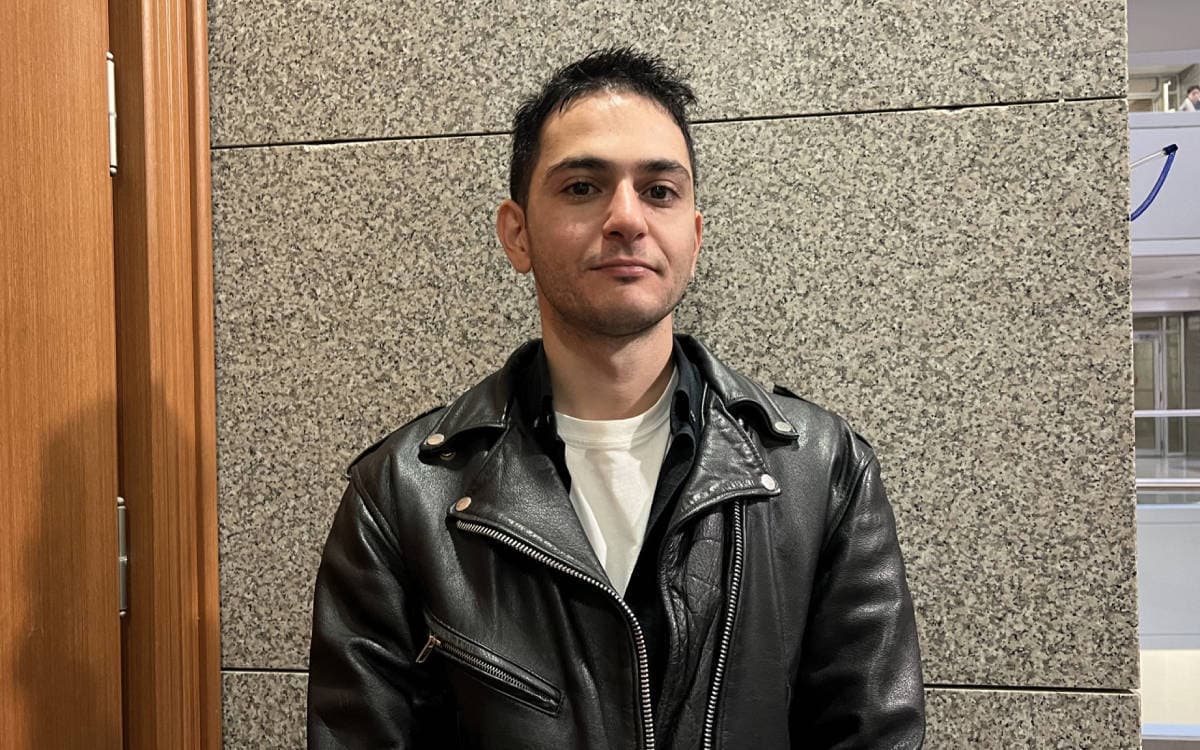
A respected Norwegian journalist and author, who began her international career in Nairobi, has issued a compelling call for a fundamental overhaul of Kenya's prison system. Nina Hanssen, in a widely-circulated opinion piece for the Daily Nation, argues that overcrowding and inhumane conditions are systemic challenges that demand immediate attention.
This is not merely an outsider's critique. Hanssen's connection to Kenya spans over three decades, starting with her work as a young journalism student at the Daily Nation in the early 1990s. She describes Kenya as her "second home," a place that shaped her career and to which she has returned almost annually, fostering a deep understanding of its social fabric.
Hanssen’s critique points to a correctional system that prioritizes punishment over rehabilitation, ultimately failing to prepare inmates for a productive return to society. She contrasts this with the Norwegian model, which focuses on creating a humane environment that mirrors life outside prison walls—a concept known as the "normality principle."
Her advocacy is informed by extensive work on justice reform, including co-authoring the book "The Norwegian Prison System." The core tenets of the Norwegian approach she champions include:
Hanssen recently visited Lang'ata Women's Maximum Security Prison, an experience that reinforced her perspective on the dedication of prison staff working within an under-resourced system. She argues that adopting principles of restorative justice is not a soft approach, but a pragmatic one. Norway, she points out, has one of the lowest recidivism rates in the world, with only about 20-25% of former inmates re-offending.
For Kenya, embracing such reforms could mean safer communities and a significant reduction in the long-term costs associated with crime and incarceration. It is a call to build a correctional system that, as Hanssen writes, "protects society while giving inmates a true second chance." This, she insists, aligns with the UN's Sustainable Development Goals, which must include vulnerable populations like those behind bars.
Her forward-looking message is one of collaboration and shared learning. By studying successful models and adapting them to the local context, Kenya has an opportunity to transform its prisons from mere holding centers into institutions of genuine correction and hope.
Keep the conversation in one place—threads here stay linked to the story and in the forums.
Sign in to start a discussion
Start a conversation about this story and keep it linked here.
Other hot threads
E-sports and Gaming Community in Kenya
Active 9 months ago
The Role of Technology in Modern Agriculture (AgriTech)
Active 9 months ago
Popular Recreational Activities Across Counties
Active 9 months ago
Investing in Youth Sports Development Programs
Active 9 months ago