We're loading the full news article for you. This includes the article content, images, author information, and related articles.
President Ruto’s high-profile US trip yields peace deals but no immediate cash, as the IMF demands transparency on Kenya’s new "mortgaged taxes" plan.

Kenyans hoping for a financial lifeline to close the year will have to wait until January, as high-stakes talks between President William Ruto and the International Monetary Fund (IMF) in Washington ended without an immediate bailout deal.
The delay marks a sobering conclusion to the President’s US tour. While the trip secured a historic peace accord for the Great Lakes region and a health partnership, the critical signature needed to unlock billions in cheap financing remains missing. Instead of a deal, the country has been handed a new timeline: an IMF staff team will jet into Nairobi in January 2026 to restart negotiations.
At the heart of the deadlock is a fundamental philosophical dispute. Streamline News has established that the IMF is refusing to bless the Treasury’s new strategy of "securitizing" future levies—essentially mortgaging future tax revenues to fund infrastructure without counting it as official national debt.
The sticking point revolves around the government's use of Special Purpose Vehicles (SPVs). In an attempt to bypass Kenya’s suffocating debt ceiling—which stood at KES 11.8 trillion as of June—the Treasury plans to "sell" the rights to future revenues, such as the Road Maintenance Levy, to independent entities in exchange for immediate cash.
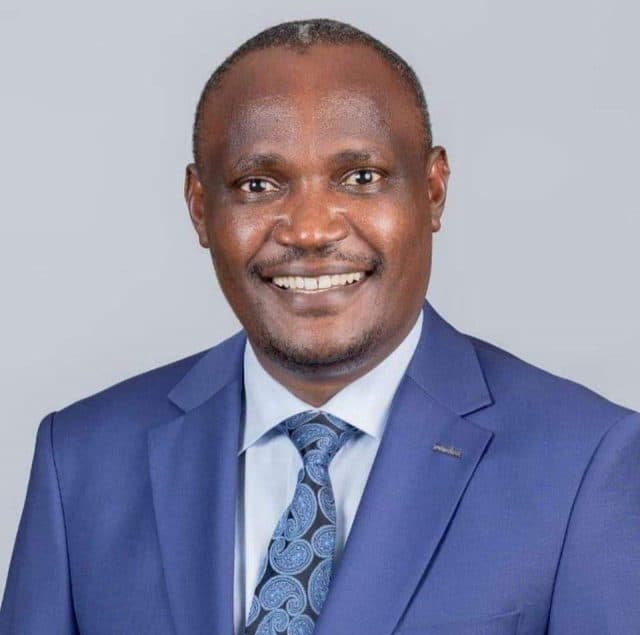
Treasury Cabinet Secretary John Mbadi has staunchly defended the move. "Our position is that once you sell a right to a special-purpose vehicle, there is no risk to the government at all... so we shouldn't treat it as debt," Mbadi argued earlier this month. The government hopes to raise KES 175 billion ($1.36 billion) through this method to finish stalled roads.
The IMF, however, isn't buying it. Sources close to the negotiations indicate the lender views this as "off-balance-sheet" borrowing that obscures the true extent of Kenya's liabilities. Their message in Washington was clear: if the taxpayer is ultimately on the hook, it counts as debt.
This delay extends a painful period of financial limbo for Kenya. The country has been operating without a fully funded IMF anchor since the previous $3.6 billion (approx. KES 464 billion) program expired in April 2025. That expiration led to the forfeiture of an undisbursed tranche worth KES 110 billion ($850 million) after the government failed to meet specific reform criteria.
The economic fallout of the delay is tangible:
President Ruto’s meeting with IMF Managing Director Kristalina Georgieva on December 3 was described officially as "warm and candid." The President praised the Fund as a "steady ally," highlighting Kenya's rise to become Africa's sixth-largest economy.
However, the lack of a signed agreement suggests the "candor" involved tough love. Beyond the securitization dispute, the IMF is reportedly pressing for stricter fiscal discipline following a year of missed tax targets and the withdrawal of the 2024 Finance Bill.
"We continue to have discussions with the IMF on getting a new funded programme," Governor Thugge confirmed on Wednesday. "We do expect a staff visit from the fund sometime in January to continue the discussions."
For the ordinary Kenyan, the jargon of "securitization" and "staff-level agreements" translates to a simple, harsh reality: the government remains cash-strapped, and the austerity measures required to please the global lender are far from over.
Keep the conversation in one place—threads here stay linked to the story and in the forums.
Sign in to start a discussion
Start a conversation about this story and keep it linked here.
Other hot threads
E-sports and Gaming Community in Kenya
Active 9 months ago
The Role of Technology in Modern Agriculture (AgriTech)
Active 9 months ago
Popular Recreational Activities Across Counties
Active 9 months ago
Investing in Youth Sports Development Programs
Active 9 months ago
Key figures and persons of interest featured in this article