We're loading the full news article for you. This includes the article content, images, author information, and related articles.
Grief grips River Nile state after a wooden vessel capsizes, exposing the deadly fragility of transport infrastructure in the war-torn nation.
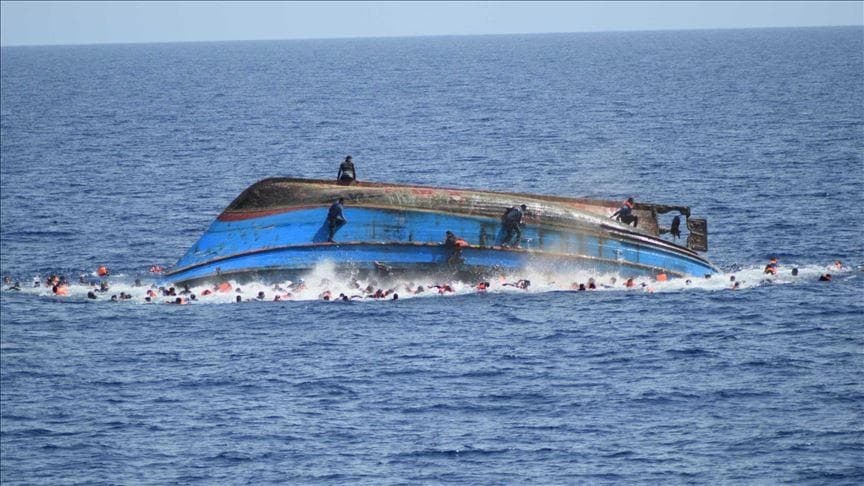
The Nile, often the giver of life in the desert, has once again claimed it. In a heartbreaking tragedy that underscores the crumbling state of Sudan’s infrastructure, at least 21 people have perished after their boat capsized in the River Nile state.
The disaster unfolded on Wednesday evening near the Shendi area, as a wooden vessel ferrying nearly 30 passengers attempted to cross from Tayba al-Khawad to Deim al-Qarai. It never reached the other bank. Battered by high waves and reportedly overloaded, the boat succumbed to the river’s currents, pitching women, children, and the elderly into the dark, swirling waters. The recovery of 21 bodies by Thursday confirmed the worst fears of the waiting families, while rescue teams continue a grim sweep for the missing.
This incident is not merely an accident; it is a symptom of a nation in collapse. Since the outbreak of the brutal civil war in April 2023, Sudan’s infrastructure has been decimated or neglected. With bridges scarce or destroyed, and fuel for safer vessels expensive, rural communities are forced to rely on rickety, unregulated wooden boats to traverse the massive river. The Sudan Doctors Network has explicitly blamed "weak regulation" and the "absence of basic safety requirements" for the disaster.
The boat was a lifeline for the villagers, a necessary risk taken to access markets, hospitals, and kin. Its sinking reveals the daily roulette played by millions of Sudanese civilians who must navigate a landscape broken by conflict. "This painful humanitarian tragedy once again reveals the fragility of river transport," the medical group stated, a polite indictment of a state apparatus that has effectively ceased to function in many regions.
For the survivors, the trauma is compounded by the knowledge that this was preventable. In peace time, regulatory bodies might have inspected the hull or enforced passenger limits. In war time, survival is a deregulated marketplace. The Nile remains the only highway left for many, but it is a highway without rules, patrolled only by the indifference of nature.
As the bodies are laid to rest along the sandy banks of the Nile, the people of Shendi mourn not just their dead, but their abandoned nation. The sinking of this boat is a microcosm of Sudan itself—overloaded, battered by storms, and drifting dangerously without a captain.
Keep the conversation in one place—threads here stay linked to the story and in the forums.
Sign in to start a discussion
Start a conversation about this story and keep it linked here.
Other hot threads
E-sports and Gaming Community in Kenya
Active 9 months ago
The Role of Technology in Modern Agriculture (AgriTech)
Active 9 months ago
Popular Recreational Activities Across Counties
Active 9 months ago
Investing in Youth Sports Development Programs
Active 9 months ago