We're loading the full news article for you. This includes the article content, images, author information, and related articles.
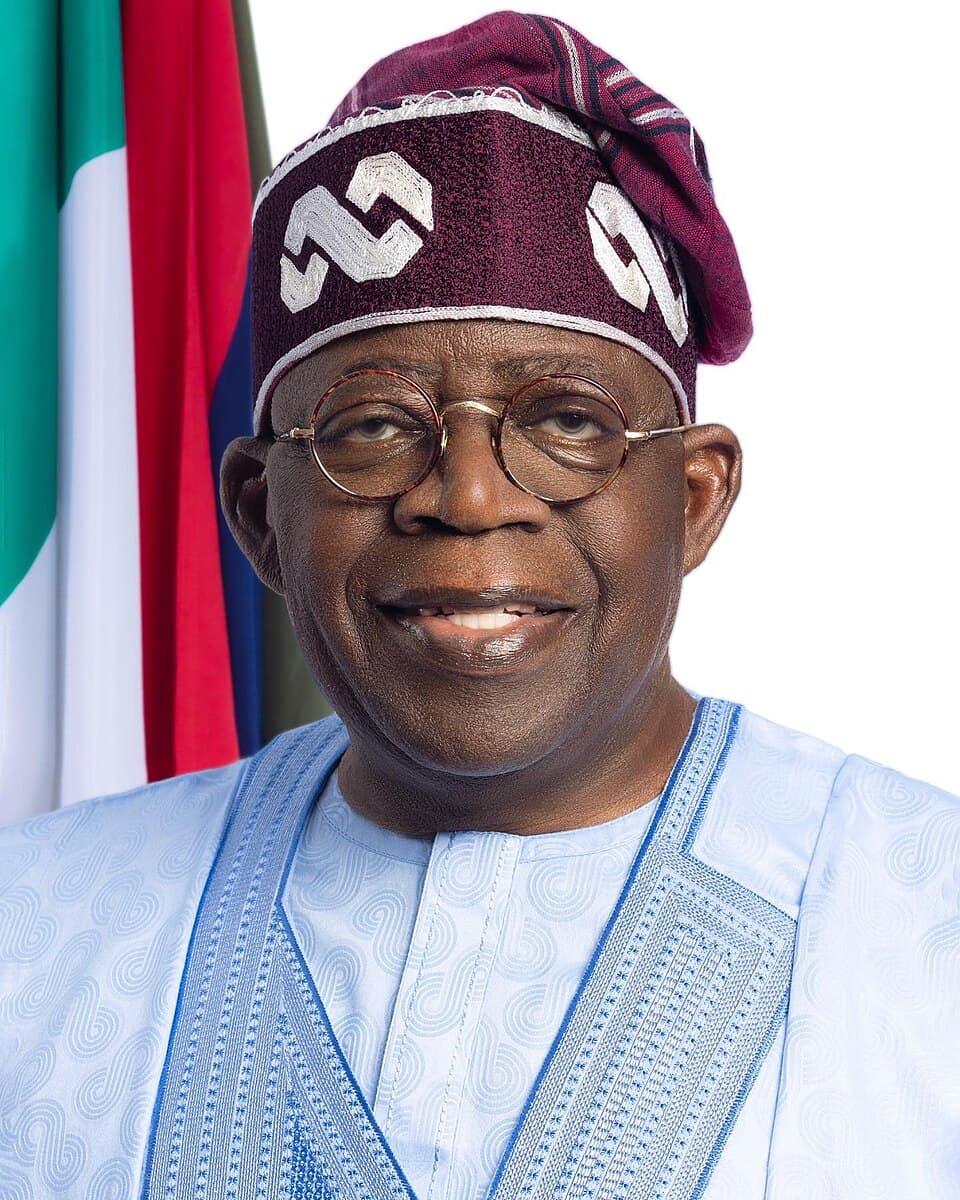
President Bola Ahmed Tinubu has initiated the aggressive implementation of Executive Order 09, fundamentally restructuring how Nigeria manages its colossal oil and gas revenues.

President Bola Ahmed Tinubu has initiated the aggressive implementation of Executive Order 09, fundamentally restructuring how Nigeria manages its colossal oil and gas revenues to ensure fiscal stability.
In a bold move that redefines the fiscal architecture of Africa's largest economy, the Federal Government of Nigeria has commenced the immediate operationalization of the Oil and Gas Revenues Executive Order 09. This marks a paradigm shift in resource governance.
The sweeping reforms are designed to meticulously safeguard federal revenues and strengthen the management of petroleum revenue flows, addressing decades of systemic inefficiencies. For resource-rich nations globally, this policy overhaul serves as a critical litmus test for economic sovereignty.
The Minister of Finance and Coordinating Minister of the Economy, Mr. Wale Edun, confirmed that an Implementation Committee held its inaugural meeting in late February 2026 to execute the President's visionary directive. The core mandate of this committee is to ensure that revenues accruing to the Federation from lucrative petroleum operations are handled in a manner that upholds constitutional principles and fiercely protects the fiscal stability of all three tiers of government.
In line with the aggressive directive, the Nigerian National Petroleum Company Limited (NNPCL) has been unequivocally ordered to cease the collection of the 30% management fee and the 30% frontier exploration fund deductions from profit oil and profit gas under Production Sharing Contracts (PSCs). This monumental shift strips away layers of bureaucratic financial retention, redirecting massive capital flows directly into the central treasury.
The structural changes introduced by the order are both profound and complex. The primary focus is eliminating intermediary bottlenecks.
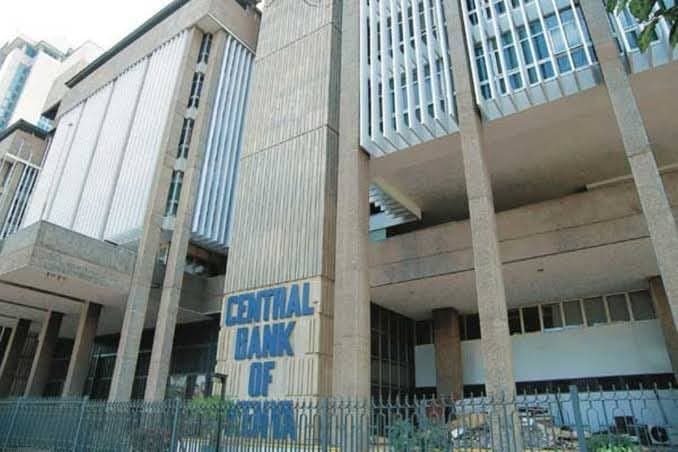
Nigeria's radical reform offers a powerful blueprint for East African nations currently navigating their own burgeoning hydrocarbon sectors. Kenya, with its nascent oil exploration projects in the Turkana basin, and Uganda, pushing forward with the East African Crude Oil Pipeline (EACOP), are watching Abuja closely.
The "Resource Curse"—a paradox where countries with abundant natural wealth often experience stagnant economic growth and poor governance—has long plagued the continent. By enforcing Executive Order 09, Nigeria is attempting to break this historical cycle. If successful, it could inspire similar legislative frameworks in Nairobi and Kampala, emphasizing direct sovereign benefit over corporate intermediary control. "The era of opaque petroleum accounting is closing, ushering in a brutal but necessary age of fiscal transparency."
Keep the conversation in one place—threads here stay linked to the story and in the forums.
Sign in to start a discussion
Start a conversation about this story and keep it linked here.
Other hot threads
E-sports and Gaming Community in Kenya
Active 9 months ago
The Role of Technology in Modern Agriculture (AgriTech)
Active 9 months ago
Popular Recreational Activities Across Counties
Active 9 months ago
Investing in Youth Sports Development Programs
Active 9 months ago
Key figures and persons of interest featured in this article