We're loading the full news article for you. This includes the article content, images, author information, and related articles.
President Bola Tinubu's sweeping measures to combat escalating kidnappings and banditry in West Africa's powerhouse raise questions about regional stability and potential ripple effects for East Africa.
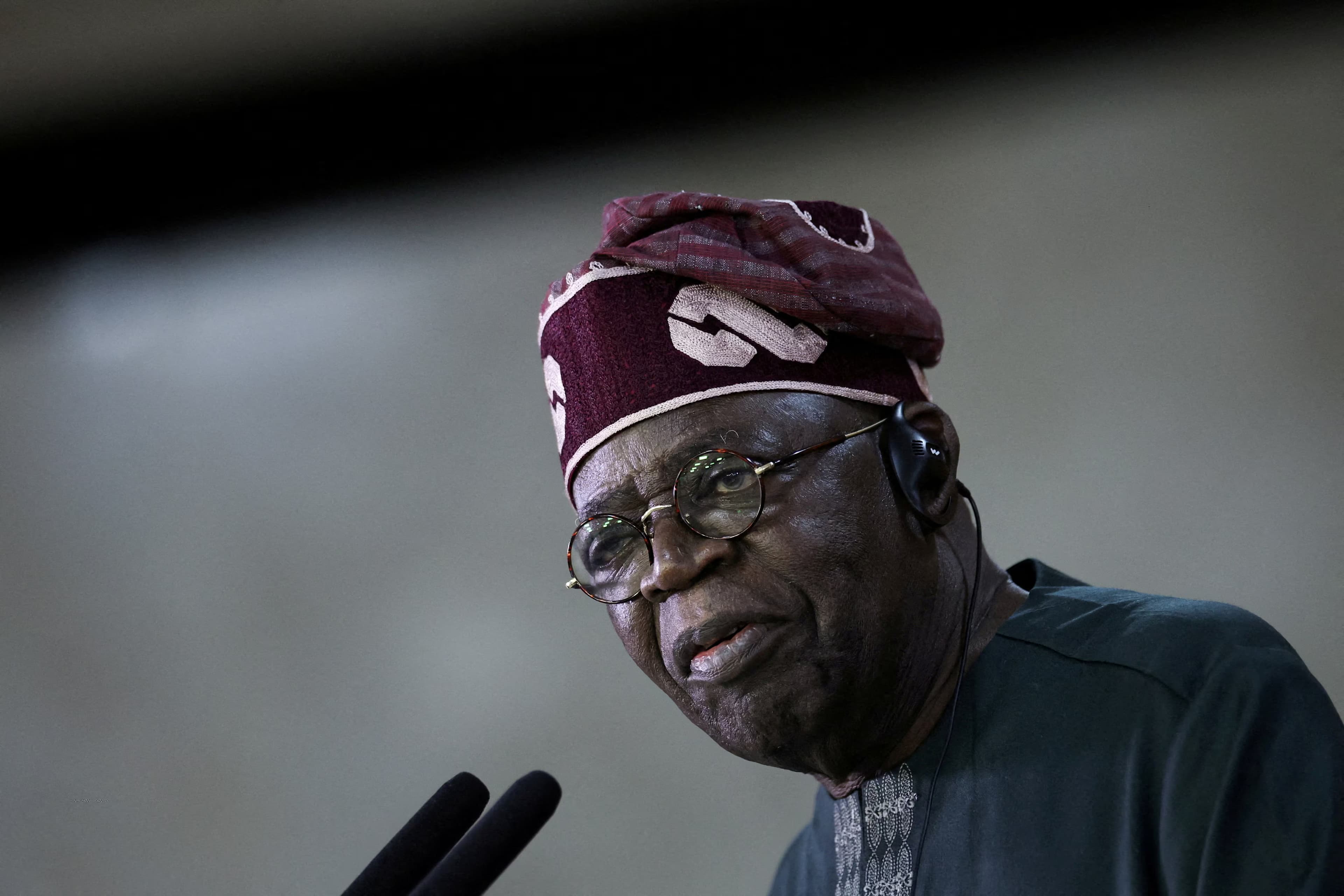
ABUJA, NIGERIA – Nigerian President Bola Ahmed Tinubu declared a nationwide security emergency on Wednesday, November 26, 2025, ordering the mass recruitment of personnel into the country's army and police forces to combat a spiraling crisis of kidnappings, banditry, and terrorism. The move comes in response to a recent wave of audacious attacks, including the abduction of hundreds of schoolchildren and worshippers across several states, that have shaken Africa's most populous nation.
In a statement issued from the State House, President Tinubu announced the authorization to recruit an additional 20,000 police officers, bringing the total for the year to 50,000. He also directed the Nigerian Army to immediately begin a fresh recruitment drive to bolster its numbers. To fast-track training, Tinubu approved the use of National Youth Service Corps (NYSC) camps as temporary training depots for the new police recruits.
The president's declaration follows a particularly violent week in Nigeria. Assailants have carried out a series of mass kidnappings, seizing 24 schoolgirls in Kebbi State, 38 worshippers in Kwara State, and over 300 students and teachers from a Catholic school in Niger State. While some victims have been rescued or have escaped, many, including more than 265 from the Niger State school, remain in captivity. These incidents are the latest in a long-running security crisis that includes a 16-year jihadist insurgency in the northeast, led by groups like Boko Haram and its offshoot, the Islamic State in West Africa Province (ISWAP), and rampant violence by heavily armed criminal gangs, known locally as bandits, in the northwest and central regions.
These multifaceted threats have exacted a heavy toll on the nation's economy and social fabric. Conservative estimates suggest insecurity costs Nigeria approximately $15 billion annually through disruptions to agriculture, trade, and investment. Foreign Direct Investment has steadily declined, and businesses are scaling down or relocating. The human cost is immense, with millions displaced and a burgeoning kidnapping-for-ransom industry that has crippled families and communities.
President Tinubu's emergency measures extend beyond recruitment. He has ordered the Department of State Services (DSS) to immediately deploy trained forest guards to flush out terrorists and bandits from their woodland hideouts. Furthermore, police officers currently assigned to VIP protection details are to be withdrawn, retrained, and redeployed to volatile areas. According to the European Union Agency for Asylum (EUAA), over 100,000 of Nigeria's estimated 371,000-strong police force were previously assigned to protect politicians and other VIPs.
The President also called on the National Assembly to begin reviewing laws to permit state governments to establish their own police forces, a move aimed at decentralizing security and improving local responses. He urged herders to end open grazing, surrender illegal weapons, and adopt modern ranching practices to mitigate the long-standing and deadly conflict between farmers and pastoralists.
While geographically distant, the escalating instability in West Africa's economic and demographic giant is of strategic concern to Kenya and the wider East African region. Both Kenya and Nigeria are continental powerhouses facing similar threats from jihadist groups—Al-Shabaab in East Africa and Boko Haram/ISWAP in West Africa. The two nations have existing security cooperation agreements aimed at sharing intelligence and expertise to combat terrorism. In September 2024, officials from both countries met in Nairobi to discuss plans for joint training exercises, particularly in border surveillance.
A protracted and deepening security crisis in Nigeria could have several ripple effects. It could divert international counter-terrorism resources and attention away from East Africa. Furthermore, the proliferation of ungoverned spaces in the Sahel and West Africa could create new havens for transnational terrorist networks, potentially linking conflicts across the continent. The instability also threatens regional economic development, which can indirectly impact trading partners across Africa. For Kenya, a stable and prosperous Nigeria is a vital partner in trade, diplomacy, and continental security architecture. The success or failure of President Tinubu's emergency measures will therefore be watched closely in Nairobi and other East African capitals.
President Tinubu has vowed that his administration has the “courage and determination to keep the country safe.” As Nigeria deploys more boots on the ground, the continent will be watching to see if this robust new approach can turn the tide against the pervasive insecurity that threatens to destabilize not just a nation, but a region.
Keep the conversation in one place—threads here stay linked to the story and in the forums.
Sign in to start a discussion
Start a conversation about this story and keep it linked here.
Other hot threads
E-sports and Gaming Community in Kenya
Active 9 months ago
The Role of Technology in Modern Agriculture (AgriTech)
Active 9 months ago
Popular Recreational Activities Across Counties
Active 9 months ago
Investing in Youth Sports Development Programs
Active 9 months ago
Key figures and persons of interest featured in this article