We're loading the full news article for you. This includes the article content, images, author information, and related articles.
A sweeping new electronic travel system for visitors to the United Kingdom has officially launched, creating an unexpected bureaucratic nightmare for thousands of dual nationals worldwide.
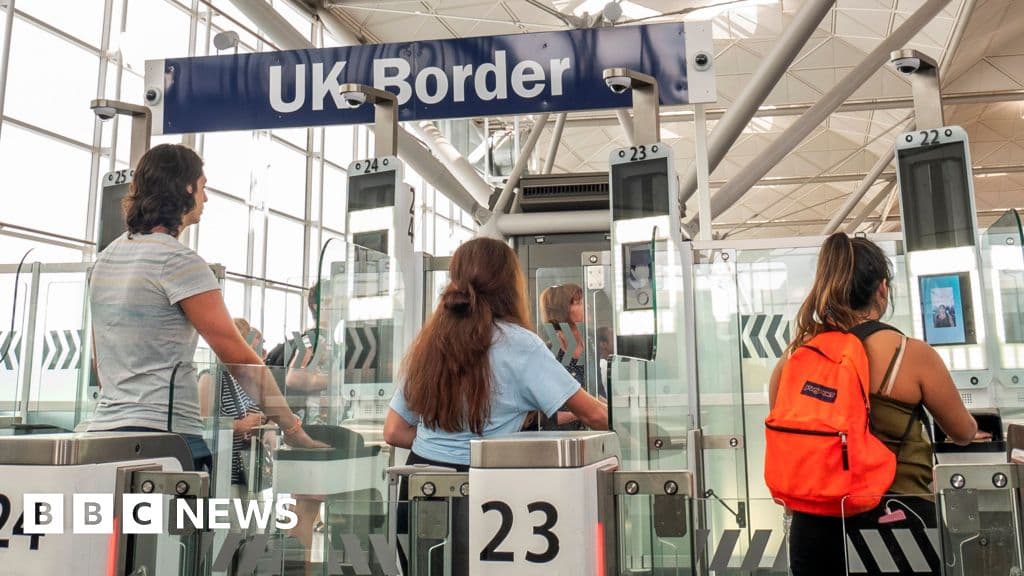
A sweeping new electronic travel system for visitors to the United Kingdom has officially launched, creating an unexpected bureaucratic nightmare for thousands of dual nationals worldwide.
As of Wednesday, February 25, 2026, the UK border has fundamentally transformed. Citizens from dozens of previously visa-exempt nations must now navigate a stringent digital authorization process.
The rollout of the Electronic Travel Authorisation (ETA) aims to digitize and secure British borders, but it has inadvertently ensnared dual nationals. This matters now because the sudden enforcement threatens to disrupt global business travel, tourism, and diaspora connections, particularly impacting East African dual citizens who frequent London.
The UK government insists the ETA will streamline legitimate travel while filtering out security threats. However, the transition has been anything but smooth. For travelers who previously enjoyed visa-free access—such as citizens of the US, Australia, and various European nations—a pre-approved ETA is now a non-negotiable requirement for entry. Once granted, the authorization permits multiple journeys to the UK, allowing stays of up to six months for tourism, short-term business, or study.
Crucially, the ETA remains valid for two years or until the traveler's passport expires. The system also applies to transit passengers crossing the UK border, though those remaining airside without passing through border security are exempt.
Despite these clear-cut rules, the implementation has triggered widespread confusion at international departure gates, with unprepared travelers facing denied boarding.
The most severe unintended consequence of the ETA falls on dual nationals. Individuals who hold citizenship in both an ETA-required country and the UK, but who habitually travel on their non-UK passport, are suddenly facing entry barriers. The Home Office has firmly stated that British citizens cannot apply for an ETA. Therefore, dual nationals must possess a valid British passport to prove their exemption.
This rigid requirement has sparked a frantic scramble at passport offices globally. In Kenya, dual British-Kenyan citizens who previously traveled seamlessly on Kenyan passports with residency stamps or vice versa are now caught in a bureaucratic backlog. Acquiring a British passport from overseas can take months, leaving many stranded or forced to cancel urgent commercial engagements.
For the East African business community, London remains a critical financial hub. The introduction of the ETA adds a layer of friction to this vital corridor. While the application fee is relatively modest, the administrative hurdle represents a broader trend of Western nations fortifying their borders. As the UK tightens its immigration infrastructure, African nations may face reciprocal pressures to upgrade their own digital border systems to remain competitive in global trade.
The ultimate success of the ETA will depend on how quickly the Home Office can resolve these teething problems. Until then, dual nationals remain the collateral damage of digital border modernization.
As one frustrated traveler noted at Heathrow, technology is supposed to erase borders, not build invisible ones that trap citizens in their own paperwork.
Keep the conversation in one place—threads here stay linked to the story and in the forums.
Sign in to start a discussion
Start a conversation about this story and keep it linked here.
Other hot threads
E-sports and Gaming Community in Kenya
Active 9 months ago
The Role of Technology in Modern Agriculture (AgriTech)
Active 9 months ago
Popular Recreational Activities Across Counties
Active 9 months ago
Investing in Youth Sports Development Programs
Active 9 months ago