We're loading the full news article for you. This includes the article content, images, author information, and related articles.
As Tehran reshuffles its security apparatus, six key figures emerge as the new focal points of Washington’s sanctions and intelligence scrutiny.

The death of Supreme Leader Ayatollah Ali Khamenei in late February 2026 did not trigger the democratic transition Washington once envisioned instead, it has accelerated the rise of a hardened security apparatus within Tehran. As the Islamic Republic navigates its most existential crisis in decades, a new cadre of leadership has emerged from the ranks of the Islamic Revolutionary Guard Corps (IRGC). This shift marks a departure from clerical-dominated governance toward a military-security state, with six key figures now identified by U.S. intelligence as the primary architects of Iran’s defiance.
For global observers and policymakers in Nairobi, this is not merely a change of faces in the presidential palace or the Office of the Supreme Leader. It is a fundamental rewiring of the Iranian state. The consolidation of power by the IRGC suggests that Tehran’s future policy will be dictated by military necessity, asymmetric warfare, and an intensified focus on bypassing international sanctions. With Washington placing these individuals at the center of its new indictment and sanctions campaign, the prospect of diplomatic de-escalation appears increasingly remote.
Western intelligence agencies have focused their scrutiny on a small circle of veteran security commanders and political operatives who have effectively filled the vacuum left by the collapse of traditional clerical authority. These individuals, many of whom have spent decades within the IRGC’s hierarchy, are the primary executors of the regime’s current “Mosaic Defense” strategy—a decentralized military approach designed to withstand sustained airstrikes.
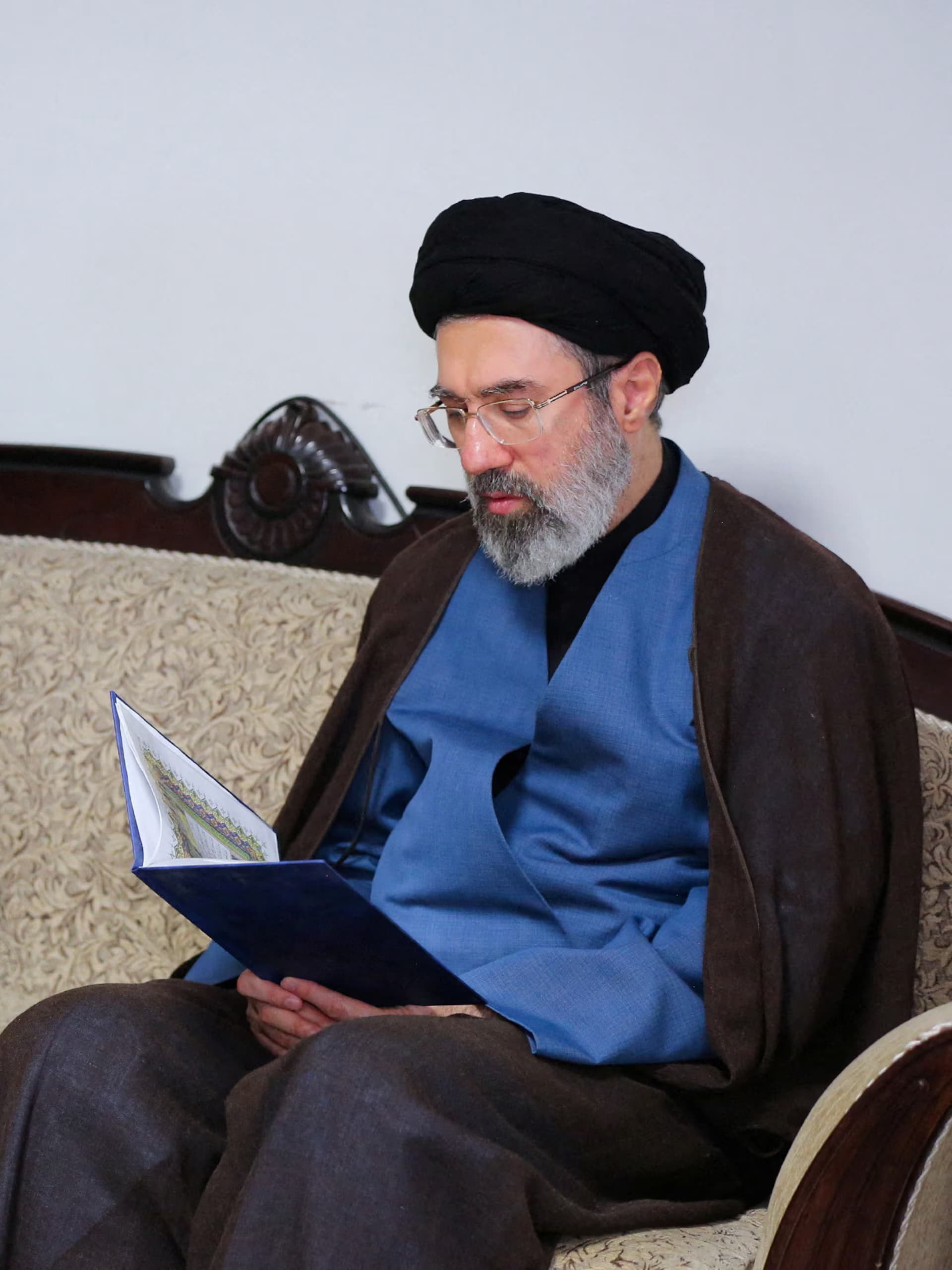
While the regime maintains the facade of the succession of Mojtaba Khamenei, analysts monitoring the Tehran power structure argue that the real decision-making authority rests with this security-hardline axis. The six men now occupying the U.S. government’s high-priority monitoring list represent the most aggressive elements of the Iranian security establishment:
The United States Treasury Department has made it clear that these individuals are effectively designated targets for future financial and travel restrictions. The objective is to isolate them within the global financial system, cutting off their ability to fund the military operations that have rattled international markets since late February.
For a reader in Nairobi, the escalation in Tehran is not a distant, abstract geopolitical event. It is a direct threat to the economic and security architecture of East Africa. Kenya’s heavy reliance on the Indian Ocean for trade—specifically the importation of fuel and the export of horticultural goods—means that any instability in the Strait of Hormuz or the wider Gulf region is felt instantly at the pumps and in the trade balance.
Maritime security analysts in Mombasa warn that as the conflict in the Middle East widens, the risk of miscalculation at sea increases. The IRGC’s recent attempts to test long-range missile capabilities against targets in the Indian Ocean—specifically the recent strike toward the Diego Garcia facility—signal that the theater of war has expanded far beyond the borders of Iran. If Iran continues to leverage its maritime proxies, the security of the critical trade corridors utilized by Kenyan shipping lines could face unprecedented disruption.
The financial impact is already quantifiable. Global oil benchmarks have seen sharp volatility, with prices climbing as markets react to the closure of key ports in the Gulf. For Kenya, where the economy is already straining under the weight of debt and inflationary pressure, a sustained energy crisis could lead to a contraction in GDP growth, potentially costing the national economy billions of shillings in additional import costs.
Washington’s aggressive campaign to target these six individuals and their broader financial networks is an attempt to force a collapse of the regime’s resource base. However, the effectiveness of this “maximum pressure” strategy remains under independent verification. Historical data from similar sanction regimes suggests that while these measures can inflict significant hardship, they often lead to an entrenchment of the status quo rather than the desired regime change.
Furthermore, the humanitarian implications for the Iranian population are severe. As resources are diverted to the military-security apparatus, the cost of living for average Iranians has skyrocketed. The regime’s prioritization of military survival over economic stability has created a internal volatility that may yet prove to be the ultimate test for the new leadership.
As the international community watches, the central question remains whether this new leadership axis in Tehran can withstand the coordinated economic and military pressure from the United States and its allies. The selection of these six figures indicates that the regime has opted for survival through confrontation rather than concession. For the rest of the world, including the nations of East Africa that find themselves on the periphery of this storm, the coming months will be a test of resilience in an increasingly volatile global order.
As diplomatic channels remain frozen and military operations continue unabated, the world waits to see if this new guard in Tehran will lead the Islamic Republic into a period of prolonged isolation or a catastrophic climax. The path they choose will define the security landscape for the remainder of the decade.
Keep the conversation in one place—threads here stay linked to the story and in the forums.
Sign in to start a discussion
Start a conversation about this story and keep it linked here.
Other hot threads
E-sports and Gaming Community in Kenya
Active 10 months ago
Popular Recreational Activities Across Counties
Active 10 months ago
The Role of Technology in Modern Agriculture (AgriTech)
Active 10 months ago
Investing in Youth Sports Development Programs
Active 10 months ago
Key figures and persons of interest featured in this article