We're loading the full news article for you. This includes the article content, images, author information, and related articles.
Scientists warn that rapidly expanding ocean 'hotspots' are fueling a new, catastrophic class of mega-hurricanes, raising urgent questions about the readiness of Kenya's coast for a future of extreme weather.
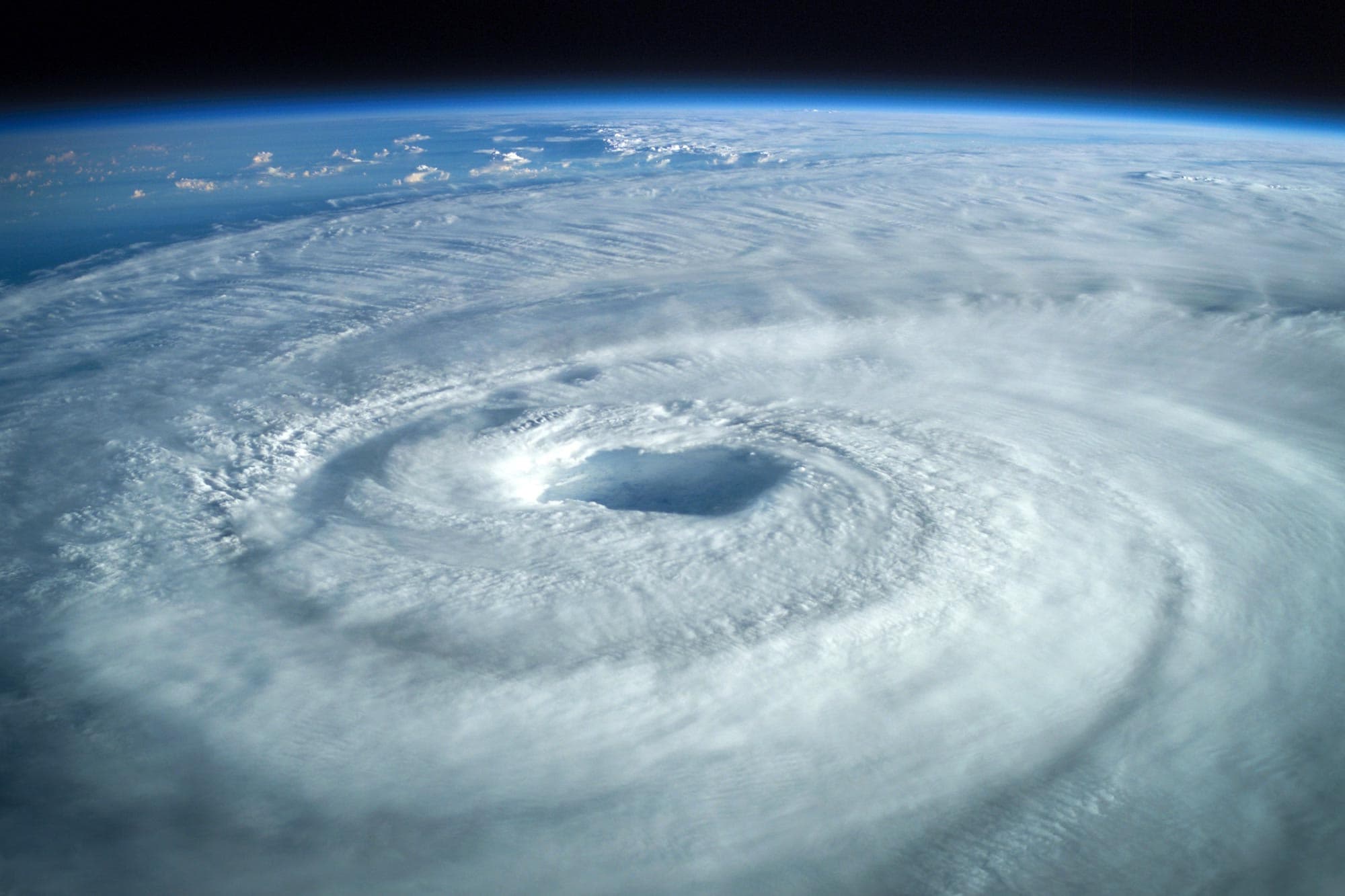
A new class of monster storm, more powerful than anything current warning scales can describe, is becoming more common as the world’s oceans heat up. This has prompted a team of scientists to argue for a new ‘Category 6’ designation for hurricanes, a move that casts a long shadow over coastal regions globally, including Kenya's.
The research, presented at the American Geophysical Union's annual meeting, reveals that oceanic "hotspots"—the breeding grounds for catastrophic cyclones—are expanding. This is not just a distant threat; the same global warming trends are intensifying weather patterns in the Indian Ocean, increasing the risk of destructive cyclones making landfall on East African shores.
Led by Professor I-I Lin of National Taiwan University, the yet-to-be peer-reviewed study highlights a disturbing trend. Her team found that of the 18 storms in the last four decades that would have met their proposed Category 6 threshold—with sustained winds over 296 kilometres per hour (184 mph)—ten have occurred in the last decade alone. The current Saffir-Simpson scale, developed in the 1970s, tops out at Category 5 for winds of 252 kph (157 mph) or more, no matter how much stronger a storm becomes.
The immense power of such storms was tragically demonstrated by Typhoon Haiyan in 2013, which hit the Philippines with winds of 315 kph, killing over 6,300 people. Lin noted that such storms are incubated by unusually warm ocean waters, a phenomenon now on the rise. "We really think there is a need just to provide the public with more important information," Lin stated, emphasizing the purpose of the proposed new category.
While the Atlantic and Pacific have historically been the epicentres of major hurricanes, the Indian Ocean is warming faster than other tropical basins. This rapid heating is changing the calculus of risk for Kenya. While the overall frequency of cyclones in the region hasn't drastically increased, the proportion of high-intensity storms has risen sharply.
Recent events have brought this new reality into sharp focus for Kenyans:
This pattern of warming waters and more powerful storms poses a direct threat to Kenyan lives and livelihoods. It endangers critical infrastructure in coastal hubs like Mombasa, threatens the vital fishing and tourism industries, and increases the risk of catastrophic flooding and landslides in vulnerable low-lying areas.
As scientists debate the labels for these ever-stronger storms, the message for Kenya is clear. The question is not if the country will face more extreme weather, but how it will prepare for the storms already gathering on the horizon.
Keep the conversation in one place—threads here stay linked to the story and in the forums.
Sign in to start a discussion
Start a conversation about this story and keep it linked here.
Other hot threads
E-sports and Gaming Community in Kenya
Active 9 months ago
The Role of Technology in Modern Agriculture (AgriTech)
Active 9 months ago
Popular Recreational Activities Across Counties
Active 9 months ago
Investing in Youth Sports Development Programs
Active 9 months ago