We're loading the full news article for you. This includes the article content, images, author information, and related articles.
A strategic partnership introduces five tailored financial products designed to bridge the gap between formal banking and the dynamic, often informal creative sector.

For decades, Kenya’s musicians, filmmakers, and designers have faced a banking system that simply does not understand their rhythm, but a new pact between NCBA Bank and HEVA Fund aims to finally change that tune.
The two institutions have signed a financing deal that introduces bespoke credit products specifically engineered for the creative economy—a sector that has historically been starved of capital due to its perceived high risk and lack of traditional collateral.
The agreement, unveiled during the NCBA Creative Economy Summit and the Elev8 LIVE album launch, addresses the specific pain points of the gig economy. Unlike standard loans that require monthly payslips, these new instruments are structured around the irregular cash-flow realities of creative projects.
The partnership rolls out five distinct financing avenues:
These facilities are designed to cover the entire value chain, from funding production and procuring high-end equipment to marketing, touring, and digital distribution.
This financial intervention comes at a critical juncture. Following the 2024 tax incentives which piqued international interest in Kenya as a filming destination, the local sector is under pressure to professionalize. However, the industry remains largely informal, creating a barrier to entry for institutional lenders.
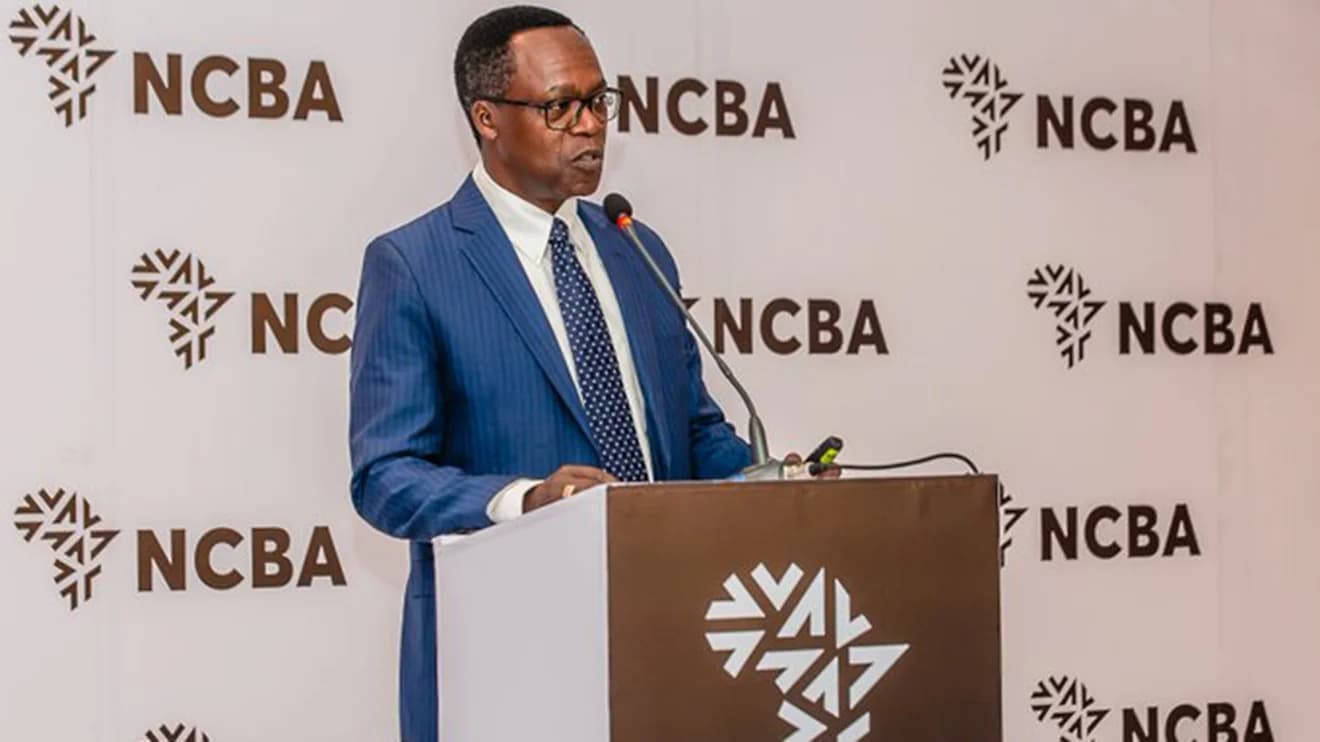
John Gachora, the NCBA Group Managing Director, candidly acknowledged the systemic mismatch that has kept creatives on the fringes of the financial system.
“Kenya’s creative economy ranks among the most vibrant and promising sectors, fueled by outstanding talent that merely requires the right resources and opportunities,” Gachora observed.
He noted that because most artists operate independently—outside of cooperatives or formally recognized business structures—they have traditionally been invisible to bank algorithms. By partnering with HEVA Fund, which specializes in the creative sector, NCBA is attempting to translate artistic potential into bankable data.
As the creative economy moves from the fringes to the fiscal mainstream, this deal suggests that talent is finally becoming a currency banks are willing to trade.
Keep the conversation in one place—threads here stay linked to the story and in the forums.
Sign in to start a discussion
Start a conversation about this story and keep it linked here.
Other hot threads
E-sports and Gaming Community in Kenya
Active 10 months ago
The Role of Technology in Modern Agriculture (AgriTech)
Active 10 months ago
Popular Recreational Activities Across Counties
Active 10 months ago
Investing in Youth Sports Development Programs
Active 10 months ago
Key figures and persons of interest featured in this article