We're loading the full news article for you. This includes the article content, images, author information, and related articles.
Global tensions escalate as NATO redeploys forces and France seizes a Russian shadow fleet tanker, threatening stability in energy markets worldwide.

A tense, grey morning in the Mediterranean served as the backdrop for a significant escalation in the global economic war as the French Navy successfully intercepted a vessel linked to the Russian shadow fleet.
The seizure of the tanker, identified as the Deyna, represents a critical turning point in the international efforts to choke off funding for the Russian war effort. As this maritime drama unfolded, the geopolitical architecture shifted abruptly elsewhere, with NATO initiating a large-scale relocation of personnel from its long-standing mission in Iraq to the European theatre, signaling a rapid prioritization of continental defense amidst the escalating conflict in Iran.
This dual-front development suggests that the global community is no longer viewing the turmoil in the Middle East as a series of isolated, regional skirmishes. Instead, it is being treated as a systemic, interconnected threat that demands both military redeployment and aggressive enforcement of maritime sanctions. For nations far removed from the immediate theater of conflict, including those in East Africa, the implications are profound, threatening to trigger a fresh surge in energy costs, supply chain volatility, and inflationary pressure that could erase recent economic gains.
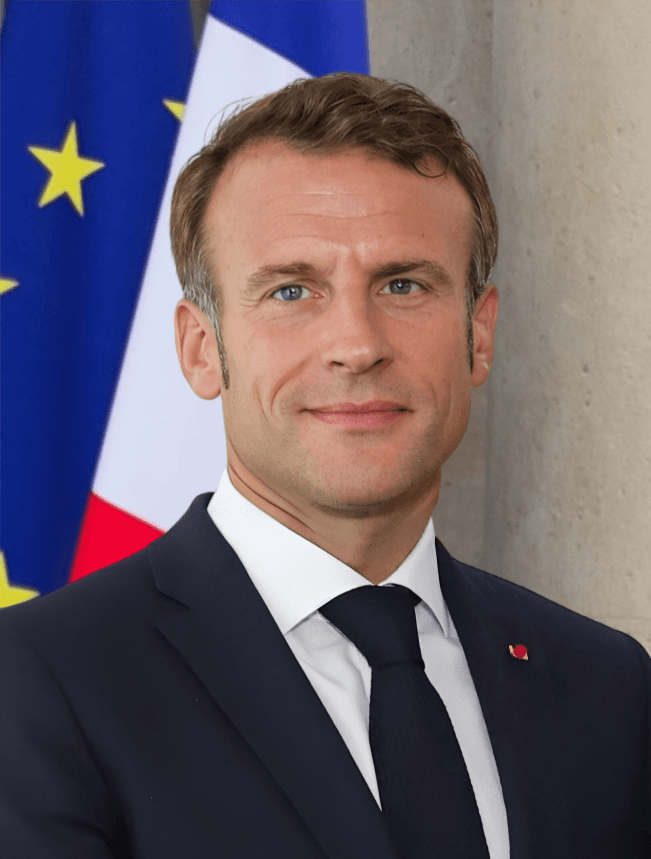
French President Emmanuel Macron has framed the seizure of the Deyna not merely as an act of law enforcement, but as a direct strike against those who profit from global instability. The vessel, which was reportedly flying a Mozambican flag—a common tactic for ships seeking to obfuscate their true origins and circumvent international maritime regulations—had departed from Russian ports before being boarded in the western Mediterranean.
Experts in maritime law and security warn that the shadow fleet remains a potent, if opaque, instrument of statecraft. These vessels, often aging, under-insured, and lacking proper identification, operate in a grey zone of international waters, moving crude oil to markets that ostensibly refuse Russian energy exports. The operation was not a unilateral French initiative it was carried out in close coordination with allies, including the United Kingdom, illustrating the heightened level of intelligence sharing required to police the world’s oceans.
The board-and-search operation revealed systemic violations of maritime protocols, confirming the suspicions that had prompted the intervention. By targeting the Deyna, French forces are aiming to disrupt the revenue streams that sustain the Russian military machine. However, the use of a Mozambican flag raises questions about the reach of these illicit networks, which exploit the regulatory gaps of developing maritime nations to conduct their shadow operations on the high seas.
While the Mediterranean incident highlights the new rules of economic warfare, the repositioning of NATO personnel from Iraq to Europe speaks to a broader, more defensive posture. NATO Mission Iraq, which has focused on training and advisory roles, is witnessing a drawdown as the alliance prioritizes its immediate European flank. This is a clear indicator that the security landscape has deteriorated to a point where the risks in the Middle East have necessitated a consolidation of forces closer to the alliance's core territories.
This redeployment is further complicated by the unconventional nature of the current conflict. Ukrainian security officials have confirmed the deployment of interceptor units to protect critical and civil infrastructure across five Middle Eastern nations, a move that would have been unthinkable only months ago. This suggests an evolving alliance structure where nations previously on the periphery of the Middle East conflict are becoming active participants in regional defense.
For a reader in Nairobi, the headlines emanating from Europe and the Mediterranean may seem distant, but the economic reality is inextricably linked to these events. Kenya, as a net importer of petroleum products, is particularly vulnerable to the disruptions of global shipping lanes and the volatility of the energy market.
If the interception of the Deyna and the broader NATO redeployment signal a tightening of the oil supply, the immediate consequence will be a spike in pump prices. The Kenyan economy, which has been working to stabilize its currency against the dollar, is now staring down the barrel of imported inflation. History shows that whenever the global supply of crude oil is threatened by conflict—or by the sanctions designed to limit that conflict—the cost of transport, manufacturing, and consumer goods in East Africa rises almost in lockstep.
The situation remains fluid. As French and British naval authorities continue their enforcement actions and NATO completes its shift in military posture, the world watches to see if these measures will succeed in curbing the war effort or if they will merely provoke further escalation. For now, the global economy remains in a state of high alert, balancing on the edge of a conflict that is expanding its reach with every passing day.
The unfolding events in Europe and the Mediterranean serve as a stark reminder that in an interconnected world, there is no such thing as a distant war when the pipes of global trade are shaken, every nation eventually feels the shockwave.
Keep the conversation in one place—threads here stay linked to the story and in the forums.
Sign in to start a discussion
Start a conversation about this story and keep it linked here.
Other hot threads
E-sports and Gaming Community in Kenya
Active 10 months ago
Popular Recreational Activities Across Counties
Active 10 months ago
The Role of Technology in Modern Agriculture (AgriTech)
Active 10 months ago
Investing in Youth Sports Development Programs
Active 10 months ago
Key figures and persons of interest featured in this article