We're loading the full news article for you. This includes the article content, images, author information, and related articles.
The capital leads with over 3,000 new cases as a national report shows a troubling 19% surge in infections, with ten counties now accounting for 60% of the country's HIV burden.
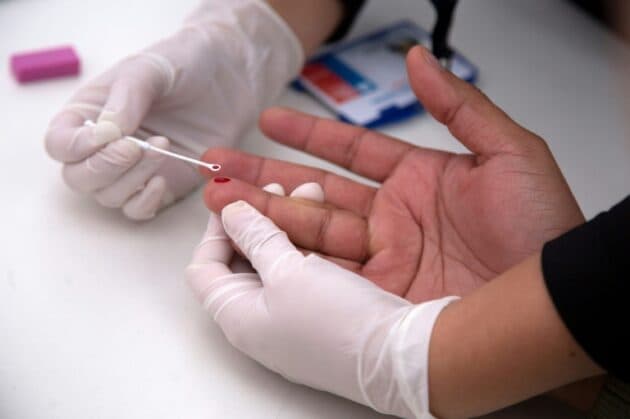
Nairobi has surged past traditional hotspots to become the new epicenter of Kenya's HIV epidemic, recording 3,045 new infections in 2024, a landmark government report has revealed. This alarming figure places the capital at the forefront of a national health challenge that saw new infections jump by 19% in the last year.
The Kenya AIDS Response Progress Report 2025, released by the National Syndemic Disease Control Council (NSDCC), underscores a stark reality: the fight against HIV is increasingly a story of specific, high-burden regions. For families across Nairobi, this news transforms a national statistic into a neighbourhood concern, raising urgent questions about public health strategies in densely populated urban areas.
While Nairobi leads, the report shows the epidemic remains deeply entrenched in nine other counties, primarily in the Lake Region and Western Kenya. Together, these ten counties are responsible for a staggering 60% of all new HIV infections in the country. Health officials have pointed to this concentration as evidence of persistent regional disparities that require targeted, county-led interventions.
The top ten counties with the highest number of new infections in 2024 are:
Nationally, 19,991 new infections were recorded in 2024, bringing the total number of Kenyans living with HIV to 1,326,336. The national prevalence rate stands at 3.0%, with women being disproportionately affected (4.0%) compared to men (2.0%).
The data sounds a particular alarm for Kenya's youth, with those aged 15 to 34 accounting for the largest share of new infections. The NSDCC has previously highlighted the "Triple Threat" facing adolescents: HIV infections, teenage pregnancies, and gender-based violence. Adolescent girls and young women are especially vulnerable, comprising eight out of every ten new cases in the 10-24 age bracket.
Adding to the concern, the report reveals a slight increase in AIDS-related deaths, which rose to 21,007 in 2024 from 18,473 in 2023. Health Principal Secretary Ouma Oluga emphasized the need for renewed focus. "AIDS-related deaths...remind us of the need for renewed focus on early diagnosis, treatment adherence, and retention in care," Oluga noted.
While the latest figures present a sobering challenge, the report also acknowledges progress in some areas. Twelve counties, including Elgeyo-Marakwet, Wajir, and Mandera, achieved a remarkable 75% decline in new infections, demonstrating the success of localized prevention efforts. This contrast highlights the critical road ahead: replicating these successes in the nation's new hotspots.
Keep the conversation in one place—threads here stay linked to the story and in the forums.
Sign in to start a discussion
Start a conversation about this story and keep it linked here.
Other hot threads
E-sports and Gaming Community in Kenya
Active 9 months ago
The Role of Technology in Modern Agriculture (AgriTech)
Active 9 months ago
Popular Recreational Activities Across Counties
Active 9 months ago
Investing in Youth Sports Development Programs
Active 9 months ago



