We're loading the full news article for you. This includes the article content, images, author information, and related articles.
The iconic colonial-era terminus is set for a massive expansion as part of the ambitious Nairobi Railway City project, aiming to transform it into a modern, multimodal transport hub and decongest the capital.
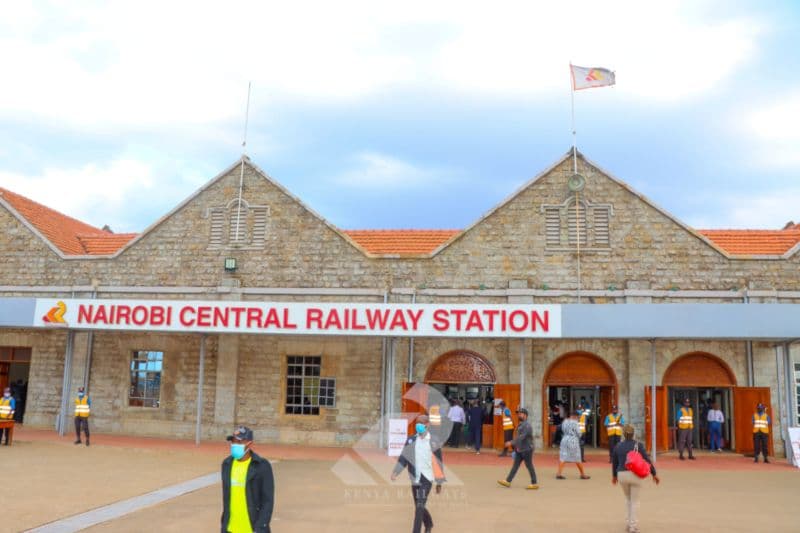
Nairobi's colonial-era railway station is poised for a dramatic overhaul, a central piece in a grand vision to untangle the city's notorious gridlock. The government has greenlit an ambitious plan to transform the aging terminus into a sprawling, modern transport interchange, designed to serve hundreds of thousands of commuters daily.
This redevelopment is the heart of the much larger Nairobi Railway City project, a flagship initiative aimed at revitalizing the Central Business District. The goal is to create an integrated transport network that seamlessly connects commuter rail, Bus Rapid Transit (BRT), and pedestrian walkways, fundamentally changing how Nairobians move, work, and live.
The core of the plan involves a massive capacity increase at the station. According to an Environmental and Social Impact Assessment (ESIA) report by Kenya Railways Corporation, the number of platforms will jump from the current two to nine. This expansion is critical to accommodate a projected surge in daily footfall, expected to reach 400,000 by 2030 and 600,000 by 2045.
The architectural vision includes new two-level station buildings, additional entrances on the south side to link with the Industrial Area, and platform bridges to improve passenger flow. The design, inspired by the regeneration of London's King's Cross, aims to preserve the heritage of the old station while creating a modern, efficient facility. Davis Chirchir, the Cabinet Secretary for Roads & Transport, noted that the project will elevate the travel experience for thousands of commuters.
The project extends beyond just transport. The plan includes converting current matatu and bus parking areas into public parks, plazas, and recreational spaces, injecting green spaces into the city center. This aligns with the vision of creating a green, inclusive urban city. The entire Nairobi Railway City will be developed on a 425-acre piece of land, with Kenya Railways owning 292 acres.
This transformative project is backed by significant international partnership. The United Kingdom has been a key partner, committing funds through UK Export Finance. While the total project cost is estimated at around KES 28 billion, the UK has pledged approximately £80 million (approx. KES 11.9 billion) to help fast-track the development.
However, this large-scale construction will inevitably cause short-term pain for city dwellers. The National Environment Management Authority (NEMA) has approved the project but highlighted unavoidable disruptions. Commuters and traders can expect increased noise, dust, and significant traffic disruption in an already congested area. NEMA has mandated strict mitigation measures, including waste management and dust control, to minimize the negative impacts.
As the city braces for the construction phase, the promise is a more efficient, economically vibrant, and livable Nairobi. The project is not just about laying new tracks; it's about creating jobs, unlocking underutilized land, and positioning Nairobi as a modern, globally competitive urban center. The redeveloped station is envisioned as the future nerve center of Nairobi's transport system, a symbol of a city on the move.
Keep the conversation in one place—threads here stay linked to the story and in the forums.
Sign in to start a discussion
Start a conversation about this story and keep it linked here.
Other hot threads
E-sports and Gaming Community in Kenya
Active 10 months ago
The Role of Technology in Modern Agriculture (AgriTech)
Active 10 months ago
Popular Recreational Activities Across Counties
Active 10 months ago
Investing in Youth Sports Development Programs
Active 10 months ago
Key figures and persons of interest featured in this article