We're loading the full news article for you. This includes the article content, images, author information, and related articles.
The Kenya Meteorological Department has issued a high-alert advisory predicting intense, sustained rainfall across Nairobi, the Lake Victoria Basin, and the Rift Valley, threatening severe infrastructural disruption.

The Kenya Meteorological Department has issued a high-alert weather advisory predicting intense, sustained rainfall across Nairobi, the Lake Victoria Basin, and the Rift Valley, severely threatening critical urban and rural infrastructure.
While the country's vast northern frontier continues to endure a blistering, unyielding heatwave, the capital city and the fertile western highlands are frantically preparing for torrential afternoon downpours, violent thunderstorms, and drastically plummeting nighttime temperatures.
This stark, deeply polarizing climatic division currently paralyzing the nation forcefully underscores East Africa's acute vulnerability to extreme weather volatility. These sudden shifts actively threaten urban commerce, paralyze transport networks, and severely disrupt crucial agricultural outputs simultaneously across the republic.
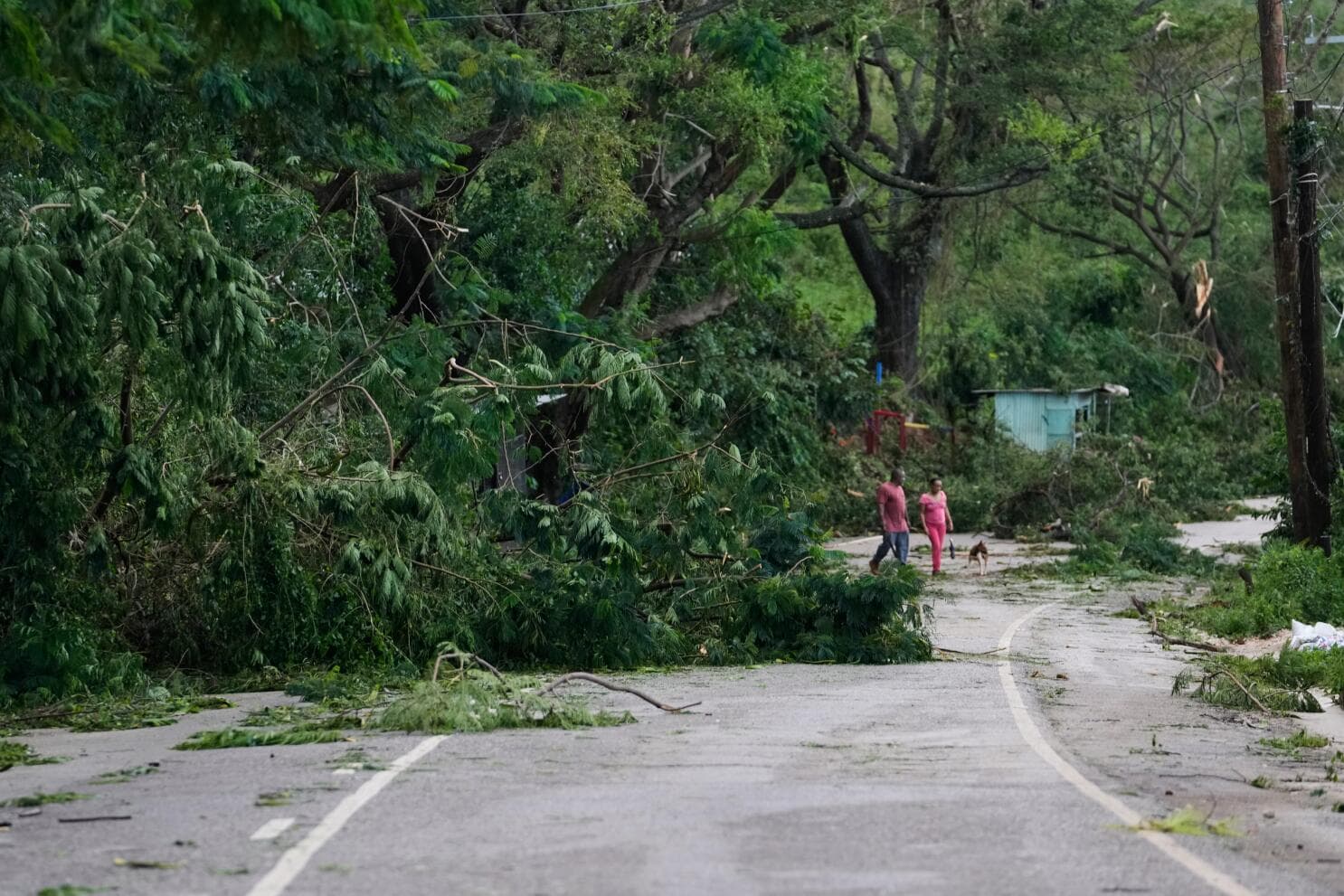
For the millions of residents navigating Nairobi, the forecast of heavy, sustained rainfall triggers immediate, highly justified anxiety regarding severe urban flooding. The capital's notoriously antiquated drainage infrastructure frequently collapses under the sheer volume of sudden, intense downpours. Major economic arteries, including the Thika Superhighway and the lower-lying industrial zones of the city, are historically prone to rapid, catastrophic waterlogging, causing massive multi-hour traffic gridlocks and severe economic paralysis.
The Kenya Meteorological Department (KMD) has explicitly warned residents of Nairobi, Kiambu, and the surrounding central highlands to brace for exceptionally cold nights, with temperatures projected to plummet sharply. These adverse conditions drastically elevate the immediate risk of respiratory illnesses, particularly among the highly vulnerable populations residing in the city's densely populated, under-resourced informal settlements, where adequate insulation and heating are virtually nonexistent.
Motorists and daily commuters have been strongly urged to exercise extreme caution. Flash floods can manifest in mere minutes, effortlessly sweeping away vehicles and pedestrians. The stark economic cost of these sudden urban floods—measured in thousands of lost operational man-hours, severely damaged commercial inventory, and rapidly escalating vehicle repair costs—is absolutely staggering for an economy fiercely striving for post-pandemic recovery.
Conversely, in the Rift Valley and the expansive Lake Victoria Basin, the impending rainfall presents a highly complex, double-edged sword for the critical agricultural sector. While adequate precipitation is absolutely vital for the region's massive maize and tea plantations, the sheer, unrelenting intensity of the forecasted thunderstorms poses a severe, immediate threat to young, developing crops and heavily terraced topsoil.
Farmers operating in highly susceptible regions such as Elgeyo-Marakwet, Nakuru, and Kisii are currently on high alert for devastating mudslides and severe soil erosion. The KMD has strongly advised agricultural communities operating in hilly terrains to remain hyper-vigilant and strictly avoid sheltering under solitary trees during violent electrical storms, a surprisingly common cause of rural fatalities during the volatile rainy seasons.
The multifaceted implications of this extreme, highly localized weather pattern include:
The most striking, deeply concerning aspect of the current meteorological forecast is the immense climatic disparity fiercely dividing the nation. While Nairobi frantically prepares for heavy, disruptive floods, northern counties like Turkana, Marsabit, and Wajir continue to bake under a relentless, devastating dry spell. In these deeply marginalized regions, daytime temperatures are soaring dangerously high, ruthlessly exacerbating an already catastrophic, multi-year drought that has decimated millions of livestock.
This extreme meteorological dichotomy perfectly illustrates the severe, accelerating impact of global climate change on the Horn of Africa. The traditional, highly predictable weather patterns that historically guided regional agriculture and urban planning are entirely disintegrating. East African policymakers are now forced to simultaneously manage complex flood disaster responses in the south and massive emergency drought relief operations in the north.
Navigating this volatile, unpredictable future demands massive, unprecedented investments in advanced climate resilience infrastructure and sophisticated predictive meteorology.
"We are completely at the unforgiving mercy of a rapidly changing global climate; our absolute priority must transition from merely reacting to these sudden disasters to aggressively engineering permanent, highly resilient urban and agricultural ecosystems," an environmental policy expert urgently noted.
Keep the conversation in one place—threads here stay linked to the story and in the forums.
Sign in to start a discussion
Start a conversation about this story and keep it linked here.
Other hot threads
E-sports and Gaming Community in Kenya
Active 9 months ago
The Role of Technology in Modern Agriculture (AgriTech)
Active 9 months ago
Popular Recreational Activities Across Counties
Active 9 months ago
Investing in Youth Sports Development Programs
Active 9 months ago