We're loading the full news article for you. This includes the article content, images, author information, and related articles.
ZANZIBAR: ZANZIBAR President Dr Hussein Mwinyi has reminded senior leaders in public institutions to uphold integrity, justice and compassion when supervising those under their authority and carrying out their official duties. Dr Mwinyi made the call during the Third FaithBased Forum for leaders of the Revolutionary Go

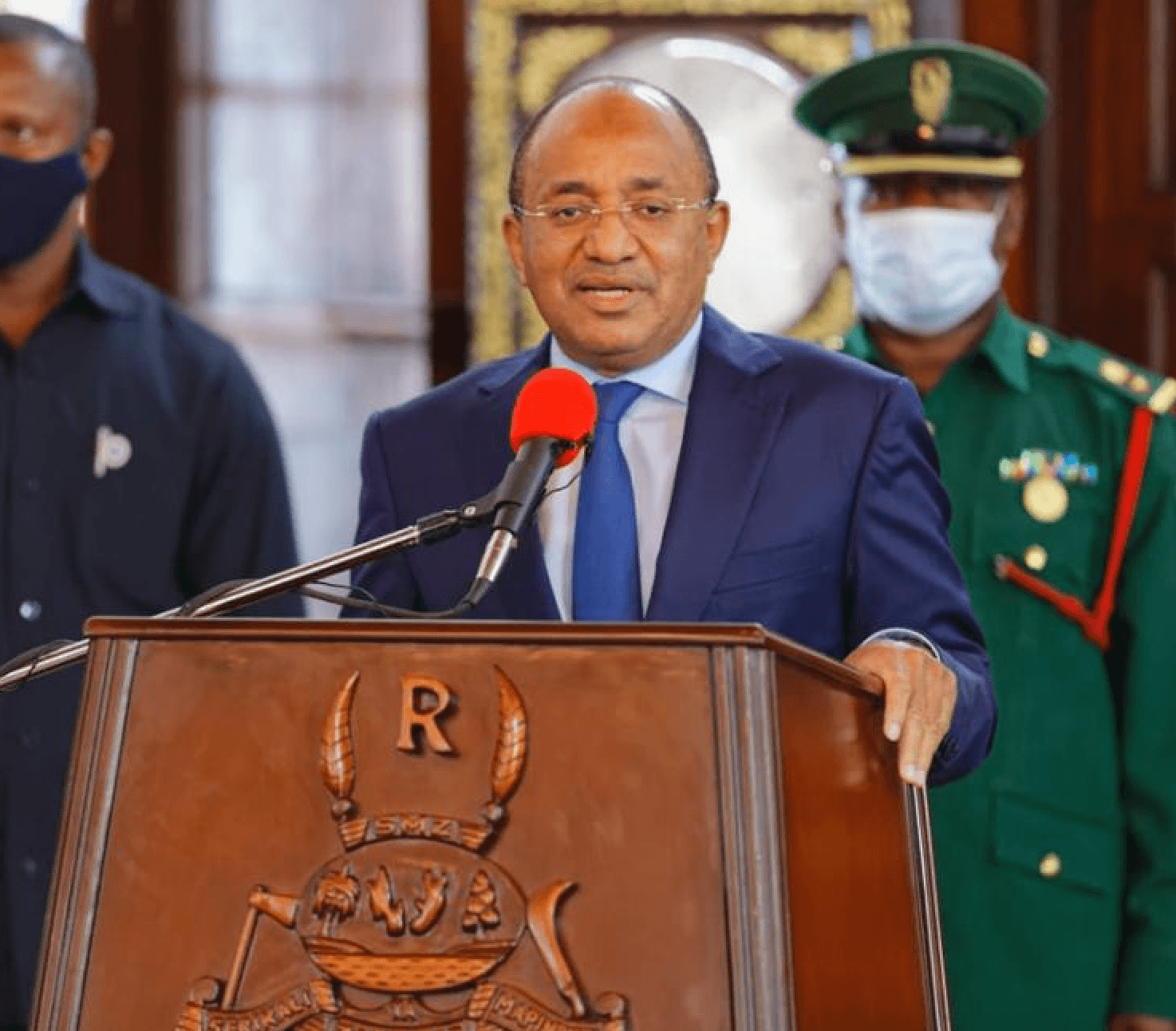
Inside the Sheikh Idriss Abdulwakil Hall in the Urban West Region, the atmosphere was markedly different from the usual bureaucratic proceedings that define governance in Zanzibar. During the Third Faith-Based Forum, convened by the Office of the Mufti, President Dr. Hussein Ali Mwinyi did not merely outline government policy he issued a direct challenge to the moral architecture of the islands’ public service. Addressing senior leaders on Sunday, President Mwinyi framed the exercise of public duty not as a mere employment arrangement, but as a sacred trust that demands unwavering integrity, justice, and compassion.
This intervention comes at a pivotal juncture for Zanzibar, as the archipelago accelerates its ambitious economic transformation agenda under the banner of the blue economy. While the administration has made significant strides in modernizing infrastructure and expanding tourism, the President’s remarks underscore a growing recognition that institutional reforms alone are insufficient without a corresponding shift in the ethical fabric of the public sector. For the thousands of Zanzibaris navigating government services daily—from land registration to business permits—this call for ethical leadership represents more than abstract moralizing it is a signal that the government is intensifying its scrutiny of the bureaucratic inertia that has historically hindered development.
The decision to utilize a faith-based forum as a platform for this directive highlights a strategic understanding of Zanzibar’s socio-political landscape. In a society where religious institutions hold significant social capital, the President’s focus on faith-based values—integrity, fairness, and accountability—serves as a powerful tool for moral suasion. Dr. Mwinyi’s approach acknowledges that while legal frameworks exist to curb corruption, they are frequently bypassed by cultural norms that prioritize patronage and regionalism. By urging leaders to reflect on the role of ethics in their professional responsibilities, the President is attempting to bridge the gap between formal state governance and the lived values of the community.
The President emphasized several core pillars for institutional performance:
Economic analysts within the East African Community often point to the "implementation gap" as the primary barrier to growth in semi-autonomous regions like Zanzibar. While strategic plans for the blue economy, digital transformation, and youth empowerment are robust, their execution frequently stalls at the level of middle management. The cost of this delay is tangible. Previous government reports, including those from the Controller and Auditor General, have repeatedly highlighted integrity issues ranging from the mismanagement of water supply equipment to procurement irregularities in major infrastructure projects.
For the average entrepreneur in Stone Town or a fisher in Pemba, the "corruption tax"—the extra time and money spent navigating inefficient bureaucracy—remains a significant burden. Dr. Mwinyi’s warning against favoritism is essentially an economic policy: by ensuring that contracts and resources are allocated based on merit and integrity, the government seeks to foster a more predictable and attractive environment for both local and foreign investment. The stakes are high with an expanding blue economy, the potential for rapid wealth generation is vast, but it remains contingent on a civil service that acts as an engine of growth rather than a source of friction.
Zanzibar’s struggle is not unique. Throughout Sub-Saharan Africa, from the devolution challenges in Kenya to the digitalization reforms in Rwanda, the central question of public administration remains the same: how to instill a culture of ethical accountability in a system that has long operated on patronage networks. The transition to a performance-based public service requires more than just punitive measures it requires a fundamental recalibration of incentives. As Dr. Mwinyi’s administration enters its second phase, the push for digital systems—such as online business registration and e-tax portals—is designed to automate the process, thereby reducing the human element that allows for bribery and subjectivity.
However, technology is not a panacea. The reliance on faith-based forums as a mechanism for behavior modification reflects a recognition that laws are only as effective as the people implementing them. If Zanzibar is to move toward the goals outlined in the Zanzibar Development Vision 2050, the leadership must prove capable of sustaining this momentum beyond ceremonial events. The challenge for the newly restructured cabinet and the broader civil service is to translate the President’s call into daily practice, ensuring that the principles of justice and compassion are embedded in the standard operating procedures of every government office.
The President’s message to his lieutenants was unequivocal: leadership is a trust, and the failure to exercise it responsibly is a betrayal of the public mandate. As the administration continues to refine its evaluation frameworks and demand measurable results, the focus on ethical leadership will likely intensify. For the senior officials at the Sheikh Idriss Abdulwakil Hall, the challenge is now to prove that these values are not merely rhetoric, but the new operating system for the Revolutionary Government of Zanzibar. The future of the islands depends on whether they can rise to meet this standard, turning the current call for accountability into the bedrock of a new, more efficient, and more just governance era.
Keep the conversation in one place—threads here stay linked to the story and in the forums.
Sign in to start a discussion
Start a conversation about this story and keep it linked here.
Other hot threads
E-sports and Gaming Community in Kenya
Active 9 months ago
The Role of Technology in Modern Agriculture (AgriTech)
Active 9 months ago
Popular Recreational Activities Across Counties
Active 9 months ago
Investing in Youth Sports Development Programs
Active 9 months ago
Key figures and persons of interest featured in this article