We're loading the full news article for you. This includes the article content, images, author information, and related articles.
Prominent human rights activist Boniface Mwangi is demanding a transparent inquiry into the fatal helicopter crash that killed MP Johana Ng'eno, drawing parallels to past political tragedies.
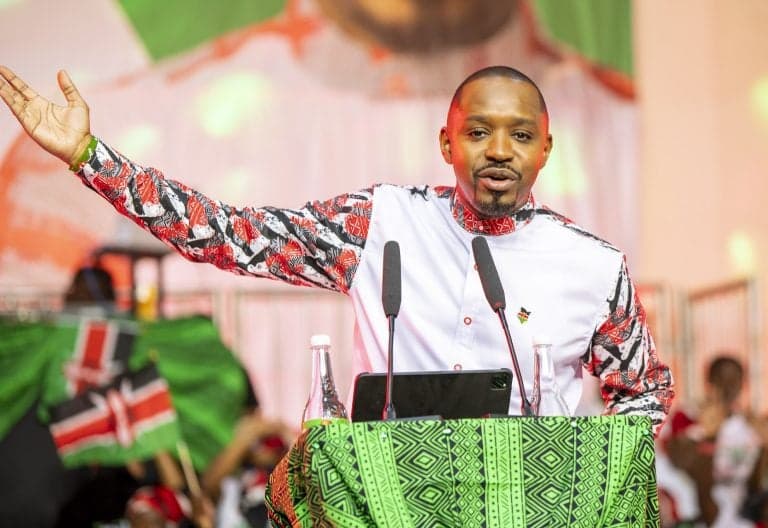
Following the tragic helicopter crash that claimed the life of MP Johana Ng'eno, human rights activist Boniface Mwangi is aggressively questioning the official narrative, demanding a transparent, international inquiry.
On the grim afternoon of February 28, 2026, a devastating aviation disaster struck the hilly terrains of Chepkiep, Mosop, in Nandi County. A helicopter carrying the vocal Emurua Dikirr Member of Parliament, Johana Ng'eno, alongside the highly experienced pilot Captain George Were and four other passengers, went down shortly after take-off, bursting into fatal flames.
While initial reports swiftly attributed the catastrophic crash to rapidly deteriorating weather conditions and poor visibility, the immediate acceptance of this narrative has provoked fierce skepticism. In a nation shadowed by a dark history of unresolved political assassinations disguised as accidents, the sudden demise of a prominent, outspoken lawmaker mere months before a highly contested election season demands rigorous, uncompromised forensic scrutiny.
Prominent human rights defender and presidential candidate Boniface Mwangi took to social media on Tuesday morning to publicly challenge the simplicity of the accident theory. Highlighting Kenya's deeply entrenched history of eliminating dissenting voices, Mwangi posed a chilling, unavoidable question to the public: who ultimately stands to benefit from the sudden death of the Emurua Dikirr lawmaker?
Mwangi personally knew the deceased pilot, Captain Were, having traversed the country with him extensively during the rigorous 2022 Azimio la Umoja presidential campaigns. The loss of such a highly skilled aviator in what was described as a routine flight has only deepened the mystery. The parliamentary team's subsequent visit to Ng'eno's expansive Nairobi mansion has further highlighted the immense political and social void left by his sudden departure.
For Kenyans, this tragedy is an agonizingly familiar script. Mwangi deliberately drew stark parallels to the devastating plane crash on April 18, 2024, which claimed the lives of the Chief of Defence Forces, General Francis Ogolla, and nine esteemed soldiers. Despite official military investigations ruling the Ogolla crash as a catastrophic engine failure, widespread public suspicion regarding foul play persists to this day.
The government's recent decision to transport the charred wreckage of the Eurocopter abroad for specialized forensic investigation is a necessary step, but it must be accompanied by absolute transparency regarding the findings.
The Kenya Civil Aviation Authority (KCAA) is currently under immense pressure to tighten regulatory oversight on domestic helicopter flights, particularly during the treacherous rainy seasons. The frequency of these high-profile accidents suggests either a systemic failure in enforcing stringent maintenance and weather protocols or, more concerningly, deliberate tampering that evades standard pre-flight inspections.
Political leaders must refrain from exploiting this tragedy for capital, while simultaneously ensuring that the investigative agencies are immune to executive interference. The families of the six victims, including the tragically deceased Teacher Carlos Keter, who had not even earned his first salary, deserve unequivocal truth, not sanitized diplomatic reports.
As the nation prepares for the somber requiem mass, the demand for accountability cannot be silenced. The era of accepting convenient narratives for catastrophic events must definitively end. Civil society, the press, and the electorate must maintain relentless pressure on the investigating authorities to deliver an unvarnished account of the final minutes of that flight.
Until every mechanical, meteorological, and political variable is exhaustively examined and publicly presented, the shadows of doubt will continue to darken Kenya's political corridors.
"In a democracy built on the fragile foundations of trust, every unexplained tragedy is a crack in the national conscience that demands the undeniable cement of absolute truth."
Keep the conversation in one place—threads here stay linked to the story and in the forums.
Sign in to start a discussion
Start a conversation about this story and keep it linked here.
Other hot threads
E-sports and Gaming Community in Kenya
Active 9 months ago
The Role of Technology in Modern Agriculture (AgriTech)
Active 9 months ago
Popular Recreational Activities Across Counties
Active 9 months ago
Investing in Youth Sports Development Programs
Active 9 months ago
Key figures and persons of interest featured in this article