We're loading the full news article for you. This includes the article content, images, author information, and related articles.
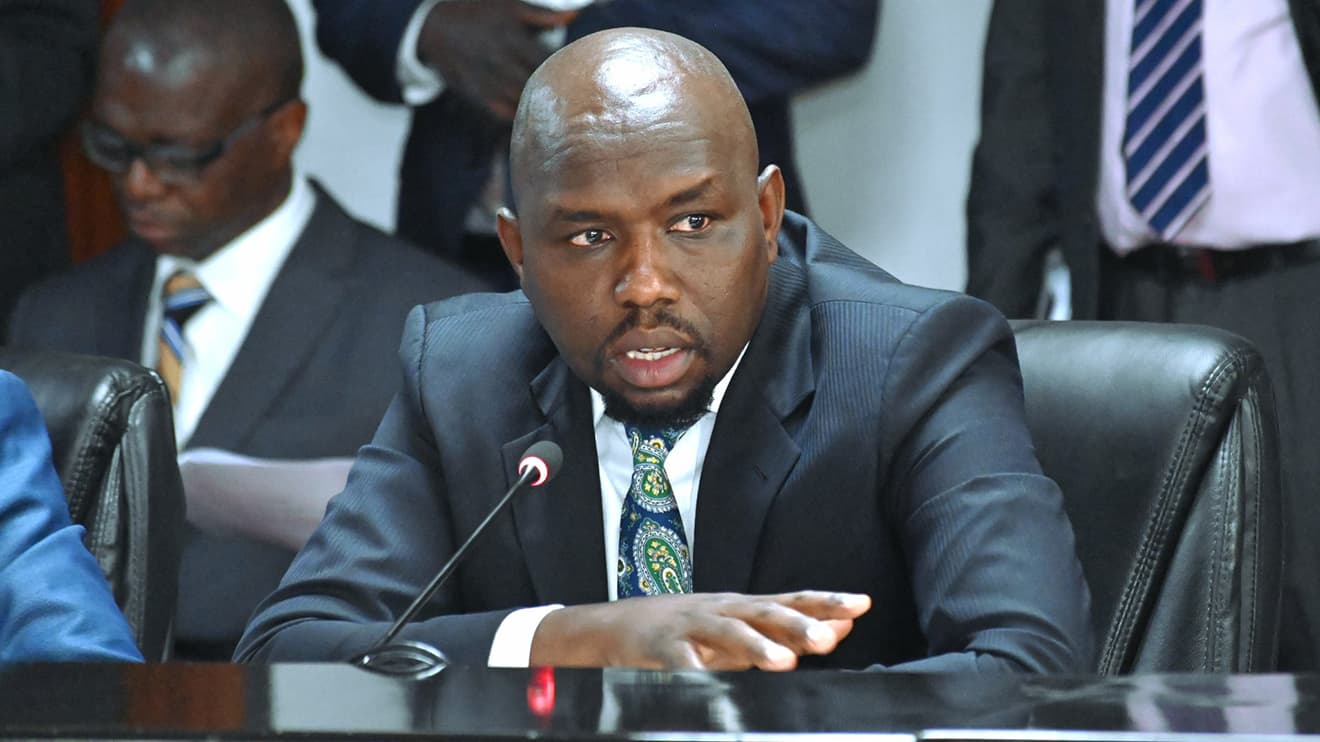
Cabinet Secretary Kipchumba Murkomen has advocated for a massive expansion of community corrections to alleviate the severe overcrowding plaguing prisons.

Addressing the continent's penal crisis, Cabinet Secretary Kipchumba Murkomen has advocated for a massive expansion of community corrections to alleviate the severe overcrowding plaguing Kenya's and Africa's prisons.
Cabinet Secretary Kipchumba Murkomen has issued a stark warning regarding Africa's prison systems, calling for an urgent transition towards community corrections to combat critical overcrowding and resource depletion.
With Kenya’s 135 correctional institutions currently holding over 60,000 individuals—far beyond their designed capacity—the system is at a breaking point. Expanding community service orders is not merely a human rights imperative; it is a fiscal necessity designed to save the state billions in unsustainable incarceration costs.
The statistics present a grim reality. The massive influx of petty offenders into maximum-security facilities has severely compromised the rehabilitative mandate of the penal system. CS Murkomen highlighted that a significant percentage of the current prison population consists of individuals awaiting trial or serving short sentences for non-violent infractions.
This congestion breeds logistical nightmares, straining medical resources and escalating operational costs. The fundamental shift towards non-custodial sentences aims to decongest these facilities, allowing the state to focus its resources on rehabilitating high-risk inmates and ensuring maximum public security.
The financial burden of maintaining the current prison population is staggering. Feeding, housing, and providing medical care for over 60,000 inmates consumes a massive portion of the national budget, funds that could be diverted to proactive social programs.
The proposed expansion requires a robust legislative framework and seamless coordination between the judiciary and community leaders. The goal is to establish stringent oversight mechanisms ensuring that community service orders are executed rigorously, maintaining the punitive aspect of the sentence while removing the custodial burden.
Programs will focus on environmental conservation, public infrastructure maintenance, and agricultural labor. By serving their sentences within the community, offenders maintain their familial ties, drastically reducing the rates of recidivism that plague the current custodial system.
Murkomen’s address serves as a clarion call for the entire continent. The challenges faced by Kenya’s correctional services mirror those in Nigeria, South Africa, and beyond. Collaborative forums are essential for sharing best practices in restorative justice.
The announcement, made during a high-level security briefing at 09:00 AM East Africa Time (EAT), sets the stage for sweeping judicial reforms. Moving away from a purely punitive model towards a restorative one marks a significant maturation of the region's justice system.
"True justice does not merely lock away the broken; it mandates their hands in repairing the community they fractured."
Keep the conversation in one place—threads here stay linked to the story and in the forums.
Sign in to start a discussion
Start a conversation about this story and keep it linked here.
Other hot threads
E-sports and Gaming Community in Kenya
Active 9 months ago
The Role of Technology in Modern Agriculture (AgriTech)
Active 9 months ago
Popular Recreational Activities Across Counties
Active 9 months ago
Investing in Youth Sports Development Programs
Active 9 months ago
Key figures and persons of interest featured in this article