We're loading the full news article for you. This includes the article content, images, author information, and related articles.
Russia is intensifying its diplomatic and influence operations across Africa, positioning itself as an alternative to Western powers. For Kenya, this presents a delicate balancing act between economic pragmatism and traditional alliances.
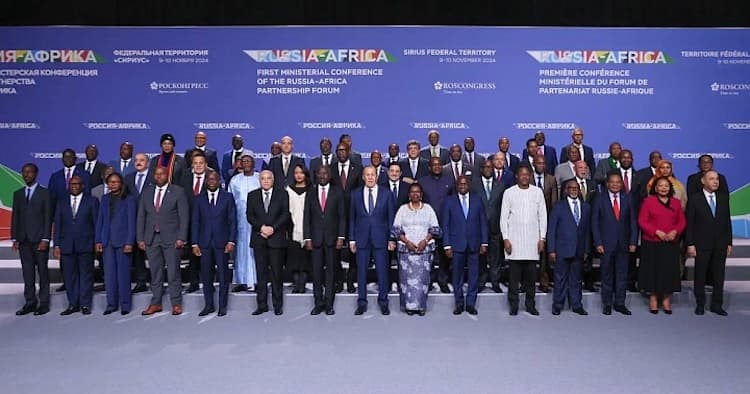
As the geopolitical tectonic plates shift in 2026, Russia has launched a renewed, high-intensity diplomatic offensive across Africa. But beneath the anti-colonial rhetoric lies a complex web of resource extraction, military leverage, and a search for allies in an isolating world.
Russia is back in Africa, and it is making noise. In a strategy that blends historical nostalgia with hard-nosed opportunism, Moscow is aggressively courting African capitals, positioning itself as the "sovereignty shield" against Western interference. From the Sahel to the Savanna, Russian flags are increasingly visible, often raised by local populations disillusioned with traditional Western partners. However, for nations like Kenya, which maintain a delicate diplomatic balance, this "charm offensive" presents both economic opportunities and strategic minefields.
Unlike China's infrastructure-heavy approach or the West's aid-conditionality model, Russia’s strategy is asymmetric and targeted. It relies on three pillars:
While West Africa has seen the most dramatic pivots toward Moscow, East Africa remains a critical contested space. Kenya stands out as a unique player; despite its deep security and economic ties with the US and UK, it has recorded "moderately growing" trade expansion with Russia in recent years. This suggests a pragmatic "Kenya First" foreign policy, where Nairobi is willing to engage with Moscow on fertilizer imports and grain security—vital for stabilizing food prices—while compartmentalizing the broader geopolitical fallout.
The charm offensive, however, faces a reality check: food security. The Russian blockade of Black Sea grain routes previously caused price shocks that reverberated through Nairobi’s supermarkets. The current diplomatic push is partly an attempt to rewrite that narrative, promising direct shipments and discounted energy. For the average Kenyan consumer, the geopolitics matter less than the price of unga (maize flour). If Moscow can deliver cheaper fertilizer and fuel, its diplomatic footprint in East Africa will likely deepen, regardless of Western pressure.
The "Scramble for Africa" narrative is outdated; this is African agency in a multipolar world. Leaders are no longer choosing sides but choosing partners for specific needs. Russia offers regime security without human rights lectures; the West offers development aid and market access; China offers infrastructure. The challenge for East African diplomacy in 2026 is to extract value from all three without becoming a pawn in their collisions.
Keep the conversation in one place—threads here stay linked to the story and in the forums.
Sign in to start a discussion
Start a conversation about this story and keep it linked here.
Other hot threads
E-sports and Gaming Community in Kenya
Active 9 months ago
The Role of Technology in Modern Agriculture (AgriTech)
Active 9 months ago
Popular Recreational Activities Across Counties
Active 9 months ago
Investing in Youth Sports Development Programs
Active 9 months ago