We're loading the full news article for you. This includes the article content, images, author information, and related articles.
NASA’s Armstrong Flight Research Center is using modified aircraft and advanced sensors to ensure the safety of the Artemis II crewed lunar mission.
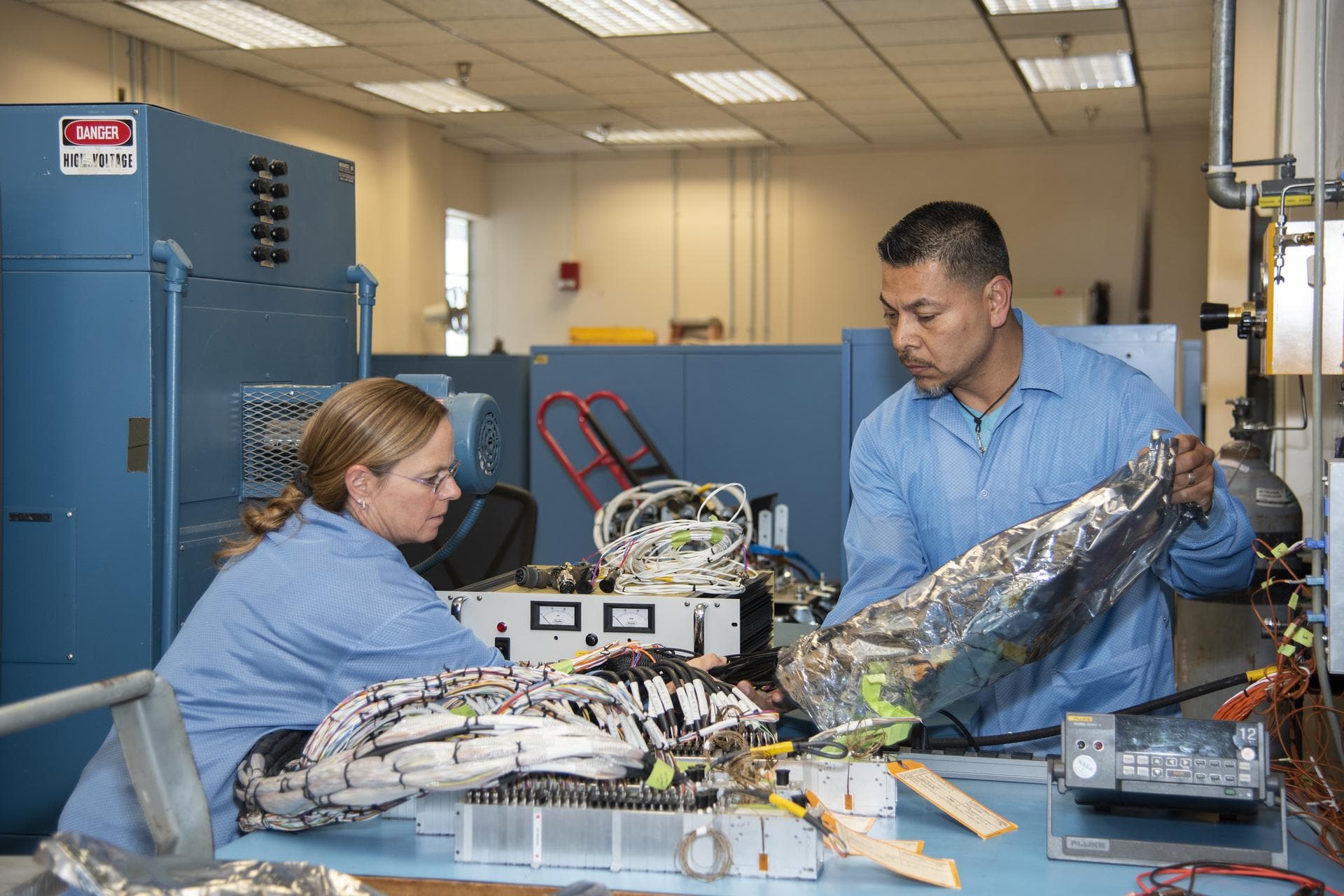
Hidden away in the California desert, NASA’s Armstrong Flight Research Center is quietly engineering the critical technologies that will return humanity to the Moon and propel us to Mars.
While the rockets launch from Florida and the mission control sits in Houston, the "right stuff" that ensures the safety and success of the Artemis campaign is being forged at Edwards Air Force Base. NASA Armstrong has revealed its pivotal contributions to the upcoming Artemis II mission—the first crewed lunar flight in over 50 years—showcasing a suite of innovations that blend cutting-edge aerospace engineering with the center's storied legacy of flight testing.
At the heart of these preparations is a modified Gulfstream G-III aircraft, transformed by Armstrong technicians into a flying laboratory. This airborne science platform will chase the Orion spacecraft during its fiery reentry into Earth's atmosphere. Equipped with advanced optical sensors, the G-III will capture high-fidelity thermal data, verifying that the heat shield can withstand the blistering 5,000-degree Fahrenheit temperatures of a lunar return—a matter of life and death for the astronauts inside.
Safety is the obsession here. Armstrong engineers have also developed the Orion heat shield spectrometer system. This instrument will collect shock layer radiation data during entry, providing the "black box" intelligence needed to refine future spacecraft designs. "There is nothing that can go to space or come back without going through the atmosphere," remarked Center Director Brad Flick, underscoring Armstrong’s unique role as the bridge between the air and the void.
The center’s contribution extends to the very worst-case scenarios. Armstrong led the testing of the Launch Abort System, a rocket-powered ejection seat for the entire capsule. Through rigorous flight tests like Pad Abort-1 and Ascent Abort-2, they proved that if the massive SLS rocket fails during launch, the crew can be blasted safely away from the explosion. It is a system everyone hopes to never use, but one that Armstrong made sure will work.
The work being done for Artemis II is not an end in itself; it is a rehearsal for Mars. The data gathered from the heat shield performance and the atmospheric flight tests will write the manual for deep space exploration. Every sensor calibrated and every flight test executed at Edwards buys down the risk for the first humans who will eventually set foot on the Red Planet.
Behind the hardware are the people. Project managers like Robert Navarro and Cathy Bahm are the unsung heroes of the space program, orchestrating complex logistics to ensure astronaut safety. As Artemis II draws closer, the quiet confidence at Armstrong is palpable. They have tested the limits, checked the math, and are ready to send their colleagues around the Moon, knowing that the road to the stars goes through the California desert.
Keep the conversation in one place—threads here stay linked to the story and in the forums.
Sign in to start a discussion
Start a conversation about this story and keep it linked here.
Other hot threads
E-sports and Gaming Community in Kenya
Active 10 months ago
Popular Recreational Activities Across Counties
Active 10 months ago
The Role of Technology in Modern Agriculture (AgriTech)
Active 10 months ago
Investing in Youth Sports Development Programs
Active 10 months ago



