We're loading the full news article for you. This includes the article content, images, author information, and related articles.
**The revitalized trade route is injecting millions of shillings into Kenya's economy, offering a critical lifeline to farmers in Meru and Embu after a costly, years-long ban.**
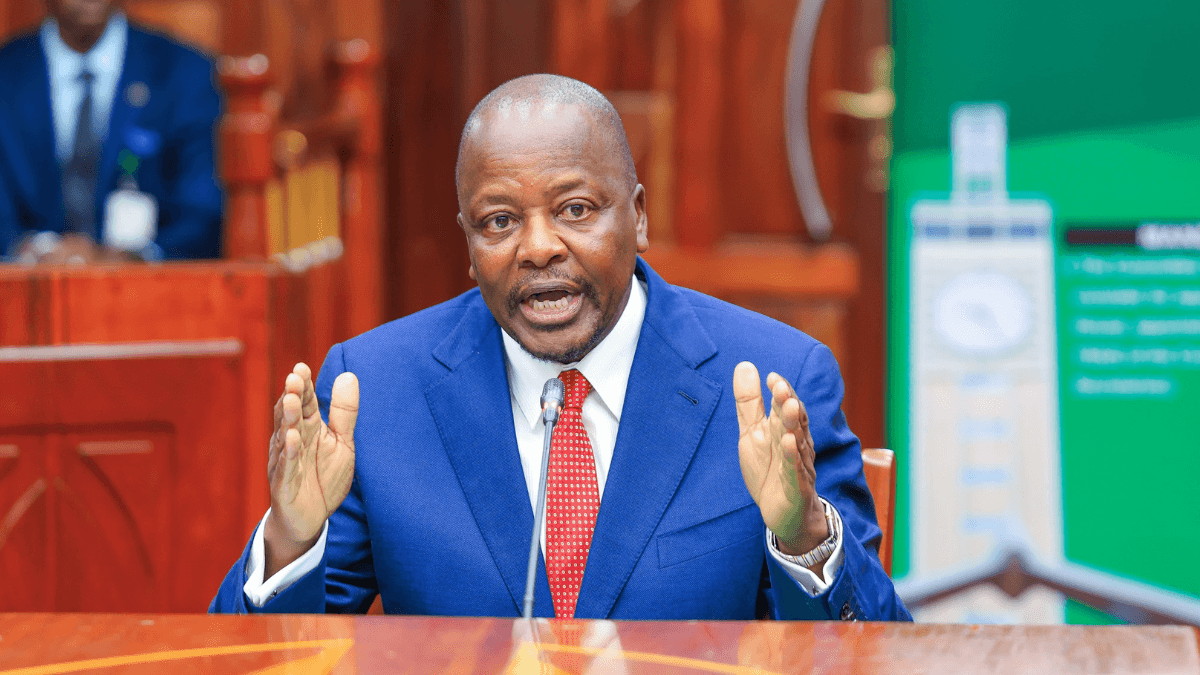
Kenya is now exporting between 13 and 17 tonnes of miraa to Somalia every day, a significant rebound that provides crucial income for over a million Kenyans. The announcement from Agriculture Cabinet Secretary Mutahi Kagwe brings clarity to the scale of a trade route that has become a cornerstone of the agricultural economy in miraa-growing regions.
This resurgence is more than just a statistic; it represents a vital economic lifeline for the approximately 110,000 farmers, primarily in Meru, Embu, and Tharaka Nithi counties, who cultivate the stimulant. The trade supports an estimated 1.4 million livelihoods, from the farm to the cargo planes departing for Mogadishu. The confirmation comes after years of diplomatic friction that saw Somalia ban Kenyan miraa in 2020, a move that crippled local economies and left farmers with devastating losses.
The daily export volumes translate into a significant financial injection. While prices fluctuate, recent government-set rates for Grade 1 miraa stand at KES 1,300 per kilogram. A conservative estimate, based on 15 tonnes (15,000 kg) at a blended price, suggests the daily trade could be worth over $150,000 (approx. KES 19.5 million), breathing new life into a sector that was on its knees.
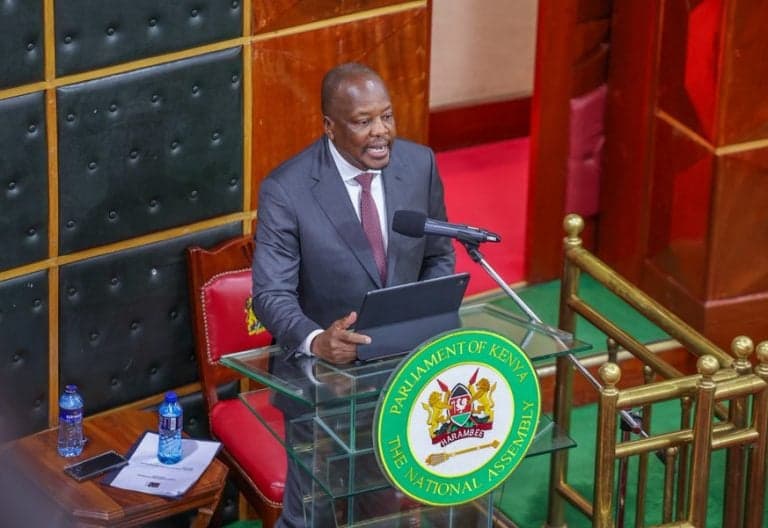
Speaking in Parliament on December 3, 2025, CS Kagwe dismissed claims of much higher export figures, emphasizing that the government has now streamlined data collection to ensure accuracy. “For the first time, miraa export data is seamless, verifiable, and synchronised across all agencies,” Kagwe noted, referring to the integration of systems between the Agriculture and Food Authority (AFA), Kentrade, and the Kenya Revenue Authority (KRA).
The resumption of trade in July 2022 marked the end of a painful two-year ban that stemmed from diplomatic tensions between the two nations. The breakthrough followed high-level negotiations after President Hassan Sheikh Mohamud took office in Somalia. Before the ban, the trade was even more voluminous, with some reports indicating up to 50 tonnes were exported daily.
To safeguard the revitalized trade and protect farmers from exploitation, the government has implemented several measures:
Despite the positive developments, challenges remain. Farmers and traders have voiced concerns over exploitation by cartels and the imposition of high, sometimes illegal, levies that eat into their profits. CS Kagwe has warned these cartels, vowing to revoke licenses of exporters who do not adhere to government-set minimum prices.
Looking ahead, the government remains focused on professionalizing the miraa value chain and securing new export markets to ensure the long-term stability and prosperity of its farmers. As CS Kagwe affirmed, “The Government remains fully committed to professionalising the miraa value chain and unlocking new export markets for our farmers.”
Keep the conversation in one place—threads here stay linked to the story and in the forums.
Sign in to start a discussion
Start a conversation about this story and keep it linked here.
Other hot threads
E-sports and Gaming Community in Kenya
Active 9 months ago
The Role of Technology in Modern Agriculture (AgriTech)
Active 9 months ago
Popular Recreational Activities Across Counties
Active 9 months ago
Investing in Youth Sports Development Programs
Active 9 months ago
Key figures and persons of interest featured in this article