We're loading the full news article for you. This includes the article content, images, author information, and related articles.
President Trump postpones his high-stakes China summit as Iranian-linked attacks on UAE energy infrastructure destabilize global oil markets and security.

Black smoke billowing from the Fujairah oil terminal on Tuesday served as a grim flag of the escalating geopolitical instability gripping the Middle East. As the conflict involving Iran deepens, the shockwaves are being felt from the boardrooms of Washington to the fuel pumps of Nairobi, forcing a significant recalibration of American foreign policy.
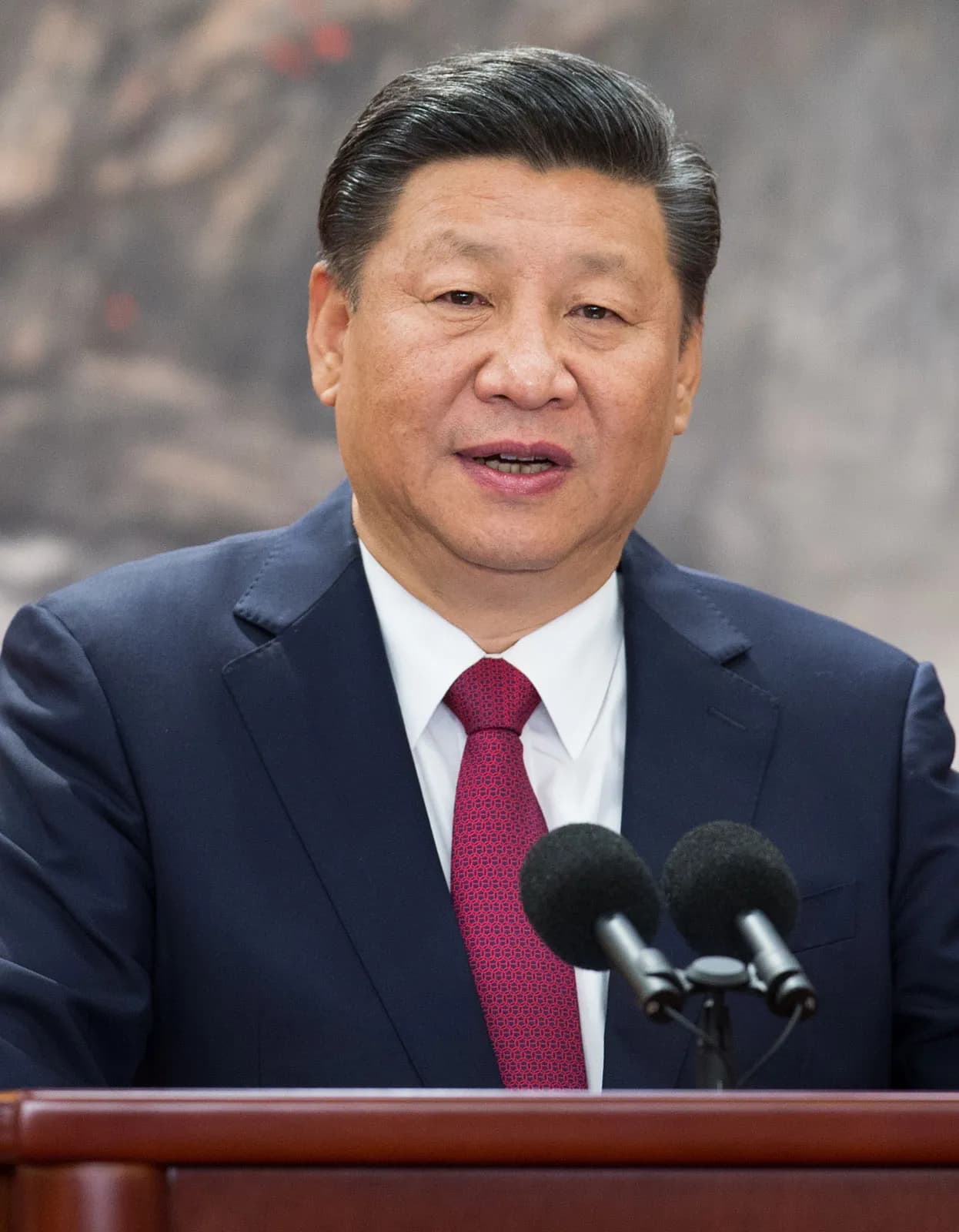
President Donald Trump has moved to delay his critical upcoming summit with Chinese leader Xi Jinping, citing the urgency of the unfolding war. This decision, announced amid rising tensions and confirmed strikes on United Arab Emirates energy infrastructure, underscores the severity of the crisis. For global markets and regional stakeholders, the immediate concern is not merely diplomatic it is the physical disruption of critical energy lifelines in an already volatile region.
The operational environment in the Gulf has deteriorated rapidly over the past 48 hours. Operations at the Shah gas field, located approximately 180 kilometers south-west of Abu Dhabi, remain suspended following a targeted drone attack. This facility is not a marginal asset it is one of the world’s largest sour gas fields and a cornerstone of the UAE’s energy export capability. The suspension of operations here signals a sophisticated reach by hostile actors, capable of bypassing advanced defensive perimeters.
Simultaneously, a separate strike has ignited fires within the Fujairah oil industry zone, a vital hub for global oil storage and transshipment. While local officials reported no casualties, the psychological and economic impact is profound. Furthermore, the United Kingdom Maritime Trade Operations reported that an unknown projectile struck a tanker 23 nautical miles (43 kilometers) east of Fujairah, resulting in minor structural damage. This series of incidents highlights a multi-vector threat profile that is increasingly difficult to contain.
President Trump’s decision to postpone his visit to Beijing with the Chinese leadership reveals a pivot toward crisis management. While Treasury Secretary Scott Bessent was quick to dispel rumors that the delay was a tactical move to pressure Beijing regarding the Strait of Hormuz, the optics of the postponement tell a different story. The administration appears to be hedging against a prolonged regional conflict that could demand full presidential attention in the White House Situation Room.
The underlying complexity lies in the relationship with Beijing. China remains the world’s largest importer of crude oil, much of which transits through the Middle East. Any prolonged disruption in the Strait of Hormuz would disproportionately affect Chinese energy security, creating a potential leverage point for the United States. However, by delaying the summit, the Trump administration risks losing critical diplomatic momentum, signaling that the immediacy of the war in the Middle East has superseded long-term strategic competition with China.
For readers in East Africa, these events are far from academic. Kenya, which imports the vast majority of its refined petroleum products, is highly susceptible to price shocks triggered by instability in the Persian Gulf. Any disruption to supply chains emanating from the UAE or the wider Gulf region acts as an immediate inflationary pressure on the Kenyan shilling.
Economists at the Central Bank of Kenya have long warned that energy price volatility is the single greatest threat to national macroeconomic stability. With fuel prices directly influencing transport costs, manufacturing input prices, and the cost of basic consumer goods, a sustained crisis in the Strait of Hormuz could reverse recent gains in inflation control. When the price of oil rises in the global market—often measured against benchmarks like Brent crude—the impact is felt by the matatu operator in Nairobi within weeks.
The Strait of Hormuz remains the jugular vein of the global energy system. Through its narrow waters passes approximately 20 to 30 percent of the world’s total oil consumption. The recent attacks on UAE infrastructure demonstrate that the conflict is moving from a localized dispute into an effort to cripple the logistics of global energy distribution. Historically, whenever tensions in the Strait have spiked, the risk premium on global oil has surged, leading to immediate market corrections.
The situation in Baghdad, where the US embassy is reportedly under pressure, adds another layer of instability. If the conflict spreads to Iraq, it risks drawing in further regional actors, complicating the security architecture that has held the Gulf in a fragile peace for years. The international community is now waiting to see if these strikes are isolated incidents of sabotage or the opening salvo of a broader campaign of attrition against international energy supply lines. For now, the world holds its breath, watching the smoke rise over Fujairah and waiting for a diplomatic response that matches the scale of the crisis.
Keep the conversation in one place—threads here stay linked to the story and in the forums.
Sign in to start a discussion
Start a conversation about this story and keep it linked here.
Other hot threads
E-sports and Gaming Community in Kenya
Active 10 months ago
Popular Recreational Activities Across Counties
Active 10 months ago
The Role of Technology in Modern Agriculture (AgriTech)
Active 10 months ago
Investing in Youth Sports Development Programs
Active 10 months ago
Key figures and persons of interest featured in this article