We're loading the full news article for you. This includes the article content, images, author information, and related articles.
New evidence reveals how a fast-food worker’s sharp eye ended the manhunt for the Ivy League graduate accused of killing a US healthcare CEO.
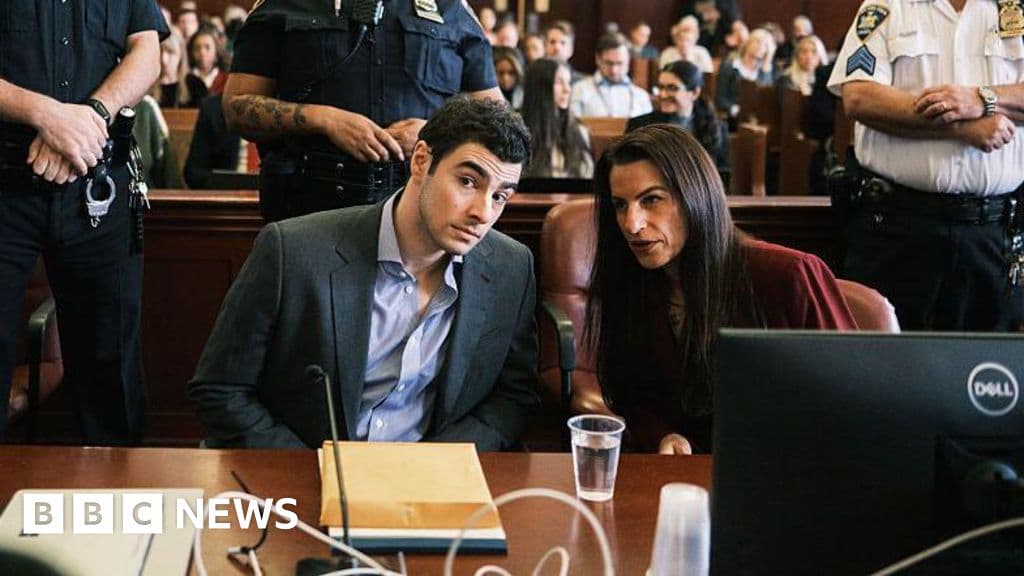
Luigi Mangione sat silent in a Manhattan courtroom this week, watching the mundane security footage that ended a nationwide manhunt. On the screen, the 27-year-old Ivy League graduate was not the master of evasion described in police bulletins, but a tired traveler eating a steak sandwich in a Pennsylvania McDonald’s, undone by a single, distinct feature: his eyebrows.
The suppression hearing, currently underway in New York, has become the pivotal battleground in the case against Mr. Mangione, who stands accused of the December 2024 execution-style murder of UnitedHealthcare CEO Brian Thompson. While the defense argues that the search of Mangione’s backpack was unconstitutional, prosecutors have unveiled a trove of evidence—from a “ghost gun” to a handwritten “to-do” list—that they claim cements his guilt.
For Kenyans following the global debate on healthcare equity, the case has morphed from a simple murder trial into a complex narrative about corporate greed, vigilante justice, and the systems that govern life and death.
Testimony revealed that the arrest in Altoona, Pennsylvania, hinged on a split-second observation by a McDonald’s employee. According to the 911 call played in court, the manager told dispatchers she could only see the suspect’s eyes above his blue medical mask, but the thick, dark eyebrows matched the wanted poster she had seen on the news.
“I knew it was him immediately,” Officer Joseph Detwiler testified. Body-camera footage showed the officers approaching Mangione, who initially gave a fake name, “Mark Rosario,” and a fraudulent New Jersey ID. The tension in the video is palpable as officers transition from casual questioning to realizing they had captured America’s most wanted man. “It’s him, dude. It’s him, 100%,” one officer is heard saying after peering into the suspect's bag.
The contents of Mangione’s backpack are at the heart of the legal battle. Prosecutors allege the bag contained a 3D-printed “ghost gun” equipped with a silencer—a weapon untraceable by traditional means. Alongside the firearm, investigators found a notebook that read like a manual for a modern fugitive.
Defense attorneys argue that police searched the bag before obtaining a warrant, a procedural error they hope will render the evidence inadmissible. If the judge agrees, the prosecution’s case could face a significant setback.
The hearing also highlighted the bizarre cultural phenomenon surrounding Mangione. The courtroom’s back rows were filled with supporters, some wearing pins depicting the accused killer as a saint-like figure. Outside, the “Free Luigi” movement has gained traction, fueled by anger toward the US healthcare system.
This sentiment resonates in Nairobi, where the transition to the new Social Health Insurance Fund (SHIF) has left many Kenyans frustrated with systemic inefficiencies. The victim, Brian Thompson, earned an annual compensation package estimated at over $10 million (approx. KES 1.29 billion)—a figure that supporters of Mangione cite as evidence of a broken system.
“There is no heroism in murder,” a prosecutor emphasized during the proceedings, countering the narrative that Mangione is a folk hero. As the hearing continues, the court must decide whether the evidence gathered under the Golden Arches will be seen by a jury, or if a procedural technicality will rewrite the script of this high-profile trial.
Keep the conversation in one place—threads here stay linked to the story and in the forums.
Sign in to start a discussion
Start a conversation about this story and keep it linked here.
Other hot threads
E-sports and Gaming Community in Kenya
Active 9 months ago
The Role of Technology in Modern Agriculture (AgriTech)
Active 9 months ago
Popular Recreational Activities Across Counties
Active 9 months ago
Investing in Youth Sports Development Programs
Active 9 months ago