We're loading the full news article for you. This includes the article content, images, author information, and related articles.
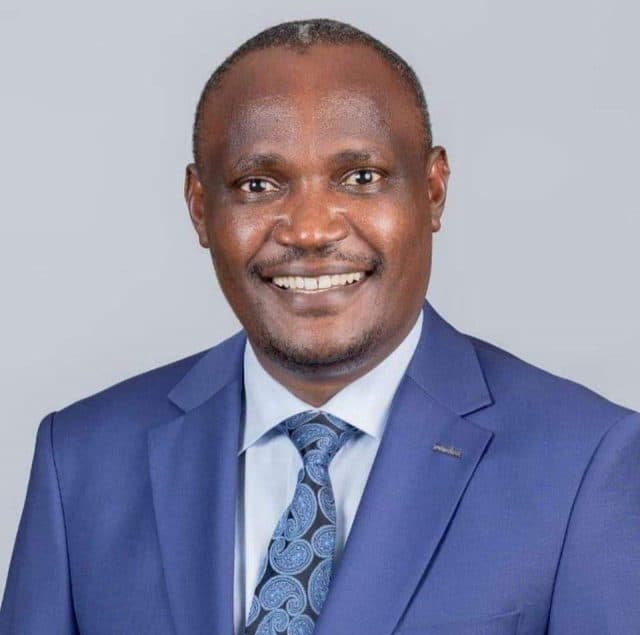
National Treasury Cabinet Secretary John Mbadi has faced the National Assembly Committee on National Budget, defending the administration's stringent fiscal policies.

National Treasury Cabinet Secretary John Mbadi has faced the National Assembly Committee on National Budget, defending the administration's stringent fiscal policies amidst a backdrop of escalating national debt and mounting pressure for economic relief across Kenya.
The Treasury boss dropped directly into the hot seat on Monday morning, forced to justify budget cuts and aggressive taxation measures to skeptical lawmakers demanding accountability.
This high-stakes parliamentary session arrives at a critical juncture. With the nation's public debt hovering at unsustainable levels and global market volatility threatening domestic stability, the committee's decisions will dictate Kenya's economic trajectory for the upcoming fiscal year. The outcome will directly impact the cost of living for millions of citizens.
During the intense three-hour session, CS Mbadi outlined the Treasury's strategy to narrow the widening budget deficit. The government is currently navigating a precarious path, attempting to balance mandatory debt repayments with the urgent need for domestic development funding. Lawmakers interrogated the administration's reliance on domestic borrowing, which has increasingly crowded out private sector credit and stifled localized business growth.
The Cabinet Secretary emphasized that the current fiscal consolidation measures are not punitive but necessary for long-term macroeconomic stability. He pointed to the structural reforms demanded by international lenders, including the International Monetary Fund (IMF), which require strict adherence to revenue targets. However, members of the committee fiercely debated the socio-economic toll these targets are exacting on the ordinary Kenyan.
A primary point of contention was the performance of the Kenya Revenue Authority (KRA). Despite the introduction of new tax brackets and enhanced compliance mechanisms, revenue collection has consistently fallen short of the ambitious targets set in the previous budget cycle. This shortfall has triggered a series of supplementary budgets, disrupting planned infrastructural projects at the county level.
For the average citizen, the macroeconomic jargon discussed in the committee translates to immediate hardships. The rising cost of basic commodities, exacerbated by fluctuating fuel prices and a volatile shilling against the US dollar, formed the core of the lawmakers' grievances. Members of Parliament representing marginalized constituencies demanded immediate interventions, such as the reinstatement of targeted subsidies.
Mbadi maintained a stance of objective authority, detailing the long-term dangers of artificial market interventions. He argued that the administration's focus on subsidizing production—specifically agricultural inputs like fertilizer—will yield more sustainable results than consumption subsidies. Yet, the delayed distribution of these inputs remains a critical bottleneck that the Treasury must address.
To contextualize the financial roadmap, the Treasury presented several key strategic pillars designed to stabilize the economy over the next medium-term expenditure framework:
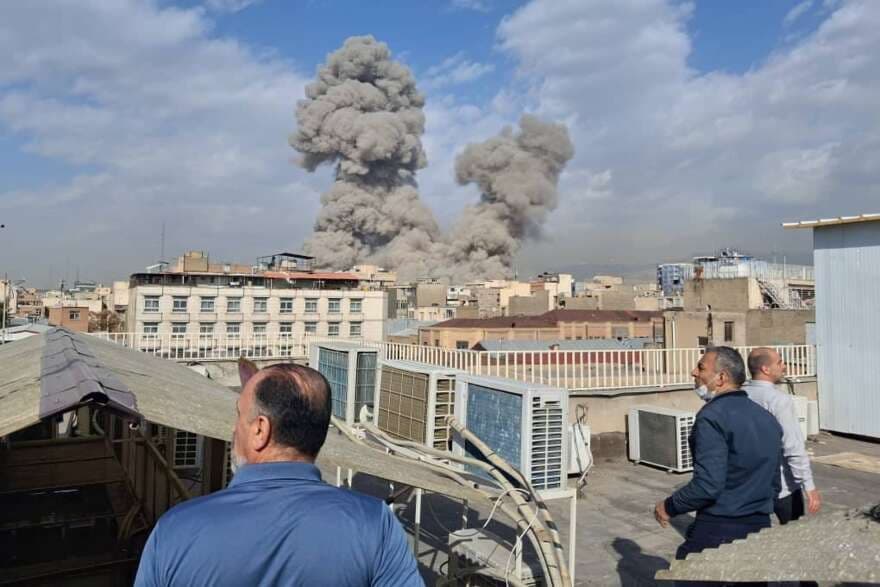
The parliamentary discussion also pivoted to external shocks. The ongoing conflict in the Middle East, particularly the recent escalations involving Iran, poses a severe threat to global oil supply chains. CS Mbadi warned that any disruption in the Strait of Hormuz could trigger a spike in international crude prices, inevitably cascading down to the local pump prices in Nairobi.
Kenya, being a net importer of petroleum products, remains highly vulnerable to these geopolitical tremors. The Treasury's contingency plan involves reinforcing the petroleum development levy fund, though critics argue the fund has historically suffered from opacity and mismanagement. The committee demanded greater transparency in the utilization of these strategic reserves.
Furthermore, the depreciation of the Kenyan shilling against major global currencies has inflated the cost of servicing external debt. A significant portion of the country's sovereign debt is denominated in US dollars, meaning that even minor currency fluctuations add billions of shillings to the repayment burden. The Treasury is actively exploring debt-for-nature swaps and exploring concessional lending to mitigate this risk.
Beyond immediate budgetary allocations, the committee emphasized the absolute necessity of systemic anti-corruption measures. The Auditor General's recent reports highlighting massive wastage and misappropriation of funds across various ministries provided ammunition for lawmakers to demand stricter oversight mechanisms. Throwing money into a leaking bucket, they argued, renders all fiscal planning futile.
CS Mbadi concluded his presentation by assuring the committee that the newly established public finance management frameworks will drastically reduce financial leakages. He appealed for bipartisan support to pass the upcoming finance bill, framing it as a painful but necessary remedy for historical economic mismanagement.
"The path to economic sovereignty demands collective sacrifice and unwavering fiscal discipline in the face of populist pressures."
Keep the conversation in one place—threads here stay linked to the story and in the forums.
Sign in to start a discussion
Start a conversation about this story and keep it linked here.
Other hot threads
E-sports and Gaming Community in Kenya
Active 9 months ago
The Role of Technology in Modern Agriculture (AgriTech)
Active 9 months ago
Popular Recreational Activities Across Counties
Active 9 months ago
Investing in Youth Sports Development Programs
Active 9 months ago
Key figures and persons of interest featured in this article