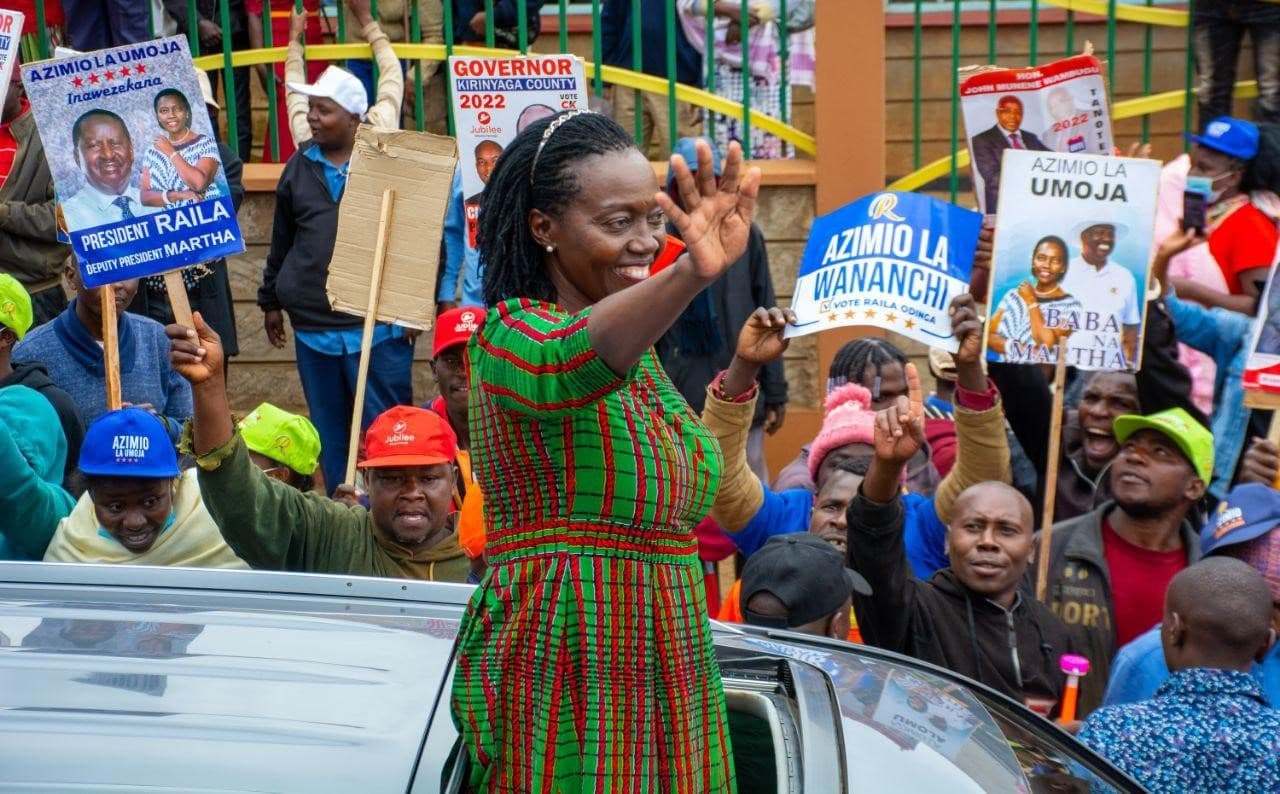
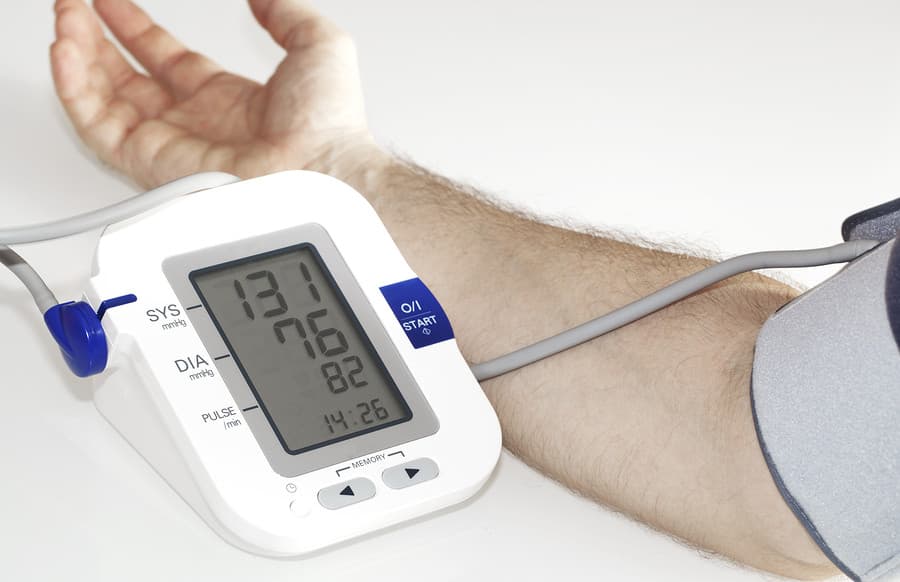
We're loading the full news article for you. This includes the article content, images, author information, and related articles.
Veteran politician Martha Karua has launched a scathing attack on the newly implemented Social Health Authority after being forced to pay a colossal out-of-pocket sum for the healthcare of her father, spotlighting systemic flaws in the new scheme.
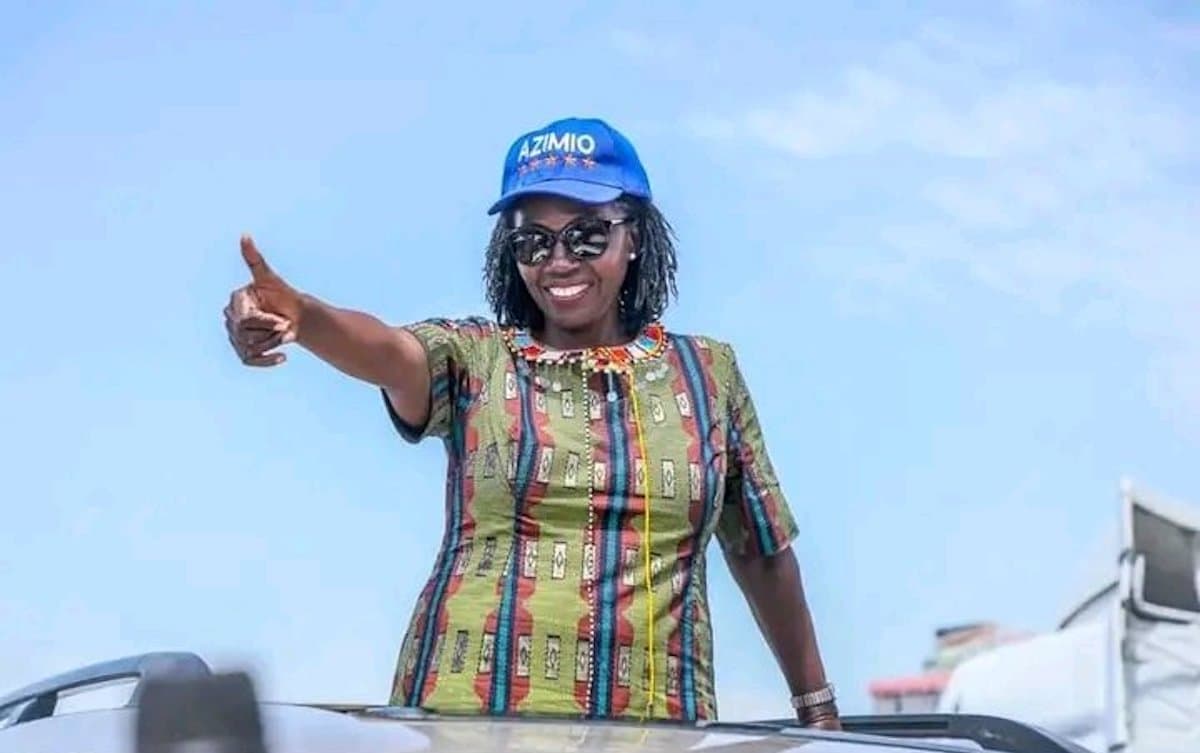
Veteran politician Martha Karua has launched a scathing attack on the newly implemented Social Health Authority after being forced to pay a colossal out-of-pocket sum for the healthcare of her father, spotlighting systemic flaws in the new scheme.
In a glaring indictment of the new healthcare financing model in Kenya, Peoples Liberation Party leader Martha Karua has laid bare her frustrating encounter with the Social Health Authority (SHA). The ordeal has reignited national debates over the efficacy of the transition to universal health coverage.
This high-profile grievance matters immensely right now because it shatters the political rhetoric surrounding the SHA. For months, the administration has championed the shift from the National Hospital Insurance Fund as a panacea for healthcare inequities. Yet, when one of the most prominent figures in the nation is left footing over 90 percent of a hospital bill, the stark reality for the average citizen becomes terrifyingly clear.
Speaking on Thursday, February 19, 2026, the veteran politician detailed a harrowing financial burden following a recent hospital admission. The total medical bill accumulated to more than KES 300,000. However, the newly established SHA covered a mere KES 17,000, leaving a staggering balance of KES 283,000 to be paid out of pocket. This meager coverage, representing less than six percent of the total cost, stands in stark contrast to the comprehensive promises made by government health officials during the rollout of the program.
The discrepancy highlights a critical flaw in the funding structures of the SHA, which critics argue is severely undercapitalized and ill-equipped to handle the actual costs of modern medical care. While the former National Hospital Insurance Fund had its own well-documented operational challenges, many citizens recall it covering a significantly larger proportion of inpatient costs. The PLP leader articulated this exact sentiment, questioning the logic of dismantling a functional system for one that currently appears to offer diminished utility to the taxpayer.
The broader implications for the Kenyan populace are profound. While established political figures possess the financial resilience to absorb a shock of KES 283,000, the vast majority of households in East Africa do not. Such sudden expenses routinely plunge low-income families into devastating cycles of poverty, forcing them to liquidate assets, take on predatory loans, or organize community fundraisers just to secure basic medical interventions.
To contextualize the severity of this transition, one must examine the specific hurdles introduced by the SHA framework:
The PLP leader did not shy away from addressing these systemic inequities, accusing the current administration of prioritizing the enrichment of a select few over the physiological well-being of the masses. She pointedly demanded accountability for the monthly deductions exacted from the salaries of workers, noting that the visible enrichment of certain individuals contrasts sharply with the collapsing infrastructure of public health.
The crisis surrounding the SHA is rapidly evolving from a logistical headache into a full-blown political vulnerability for the ruling administration. Healthcare is a fundamental pillar of the social contract, and the failure to deliver reliable medical insurance undermines the foundational trust between the state and its citizens. Policymakers are now under immense pressure to urgently review the disbursement caps and operational efficiency of the SHA.
Unless structural reforms are implemented to increase the coverage limits and streamline the claims process, the government risks alienating a massive constituency that feels abandoned at their most vulnerable moments. The transition to universal health coverage was meant to be a progressive leap forward, not a regression into an era of prohibitive medical costs.
"Do not deduct our money, yet we cannot see where it is going. All we see is people getting rich, yet we cannot ascertain what businesses they are involved in," Karua stated, capturing the mounting frustration of a nation demanding transparency.
Keep the conversation in one place—threads here stay linked to the story and in the forums.
Sign in to start a discussion
Start a conversation about this story and keep it linked here.
Other hot threads
E-sports and Gaming Community in Kenya
Active 9 months ago
The Role of Technology in Modern Agriculture (AgriTech)
Active 9 months ago
Popular Recreational Activities Across Counties
Active 9 months ago
Investing in Youth Sports Development Programs
Active 9 months ago
Key figures and persons of interest featured in this article