We're loading the full news article for you. This includes the article content, images, author information, and related articles.
The former Chief Justice argues that Nairobi’s 'gentleman’s agreements' with Kampala are failing, proposing a binding legal corridor to silence Museveni’s war drums.
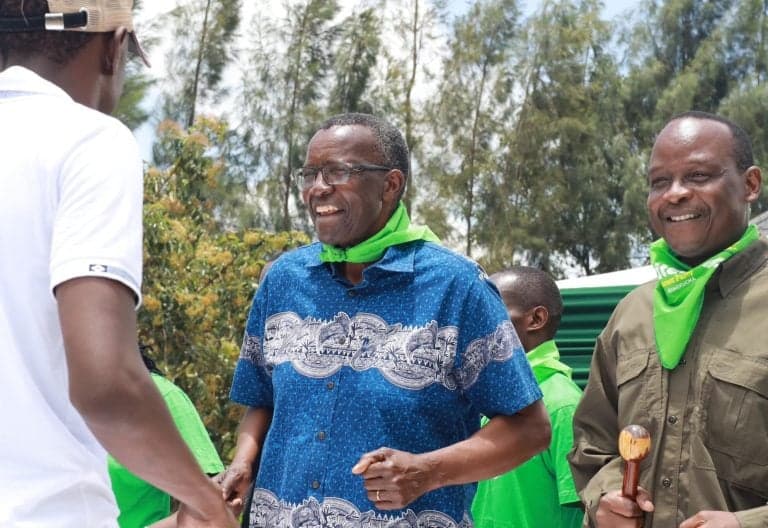
UGUNJA, Siaya — In the dusty, charged atmosphere of a by-election rally in Ugunja, former Chief Justice David Maraga did not just campaign for votes; he issued a verdict on the simmering diplomatic feud threatening to tear the East African Community apart.
With the precision of a jurist and the fire of a candidate eyeing the 2027 presidency, Maraga declared that the current "war talk" between Kampala and Nairobi is the direct result of relying on personality politics rather than the rule of law. His solution? A binding, irrevocable "Trans-National Access Treaty" that would guarantee Uganda’s route to the Indian Ocean—regardless of who sits in State House.
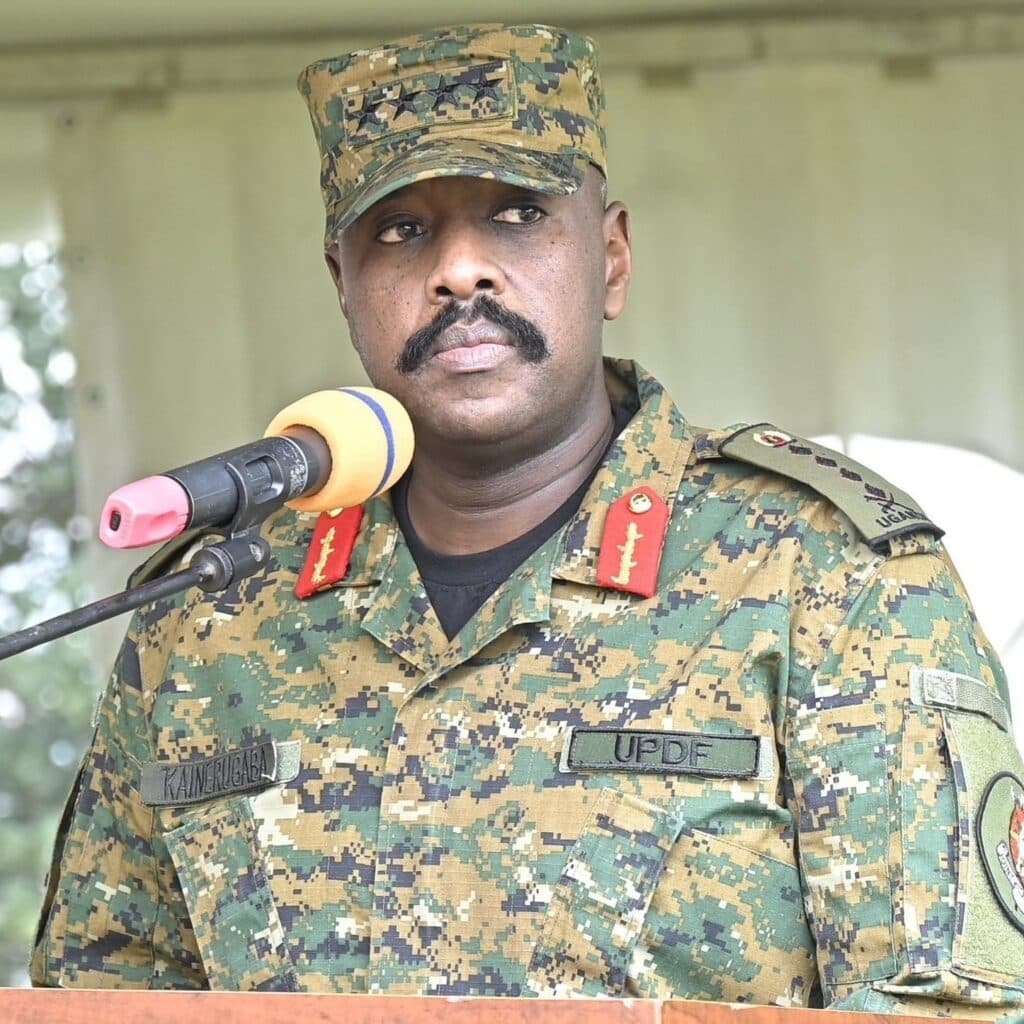
The proposal comes just weeks after Ugandan President Yoweri Museveni’s inflammatory remarks about his country being "entitled" to the ocean, and his son Gen. Muhoozi Kainerugaba’s reckless tweet threatening to "capture" the coast in eight hours. While President William Ruto has dismissed these threats as mere "drama" and emphasized brotherly relations, Maraga warns that dismissal is not a strategy.
"You cannot secure a nation’s economic lifeline with a handshake and a smile," Maraga told the crowd, his voice cutting through the cheering supporters of the United Green Movement (UGM). "Uganda’s anxiety is real. It is the anxiety of a landlocked neighbor who fears that a political disagreement could starve their people of fuel and medicine. We must replace the whims of presidents with the certainty of the law."
Maraga’s proposed framework includes:
For the average Kenyan, this diplomatic high-wire act might seem distant, but the economic implications are immediate. Uganda is Kenya’s single largest export market, absorbing goods worth over $900 million (approx. KES 117 billion) annually. A border closure or a shift of Ugandan logistics to Tanzania’s Tanga port would devastate Kenyan manufacturers and transporters.
"If Uganda sneezes, Mombasa catches a cold," noted trade analyst Sheila Wafula. "Thousands of clearing agents, truck drivers, and warehouse workers in Mombasa and along the Malaba highway depend on this transit trade. Maraga is tapping into the fear that Ruto’s casual handling of Museveni could cost Kenyan jobs."
Maraga’s pitch is a direct critique of the current administration’s foreign policy style. He argued that President Ruto’s strategy of "sweet-talking" neighbors while engaging in trade spats—like the recent milk tariff wars—has eroded trust.
"We are seeing the consequences of 'roadside diplomacy'," Maraga charged, referencing the informal agreements often favored by politicians. "Today they are friends, tomorrow they threaten war. The Kenyan economy cannot be held hostage by the moods of leaders. We need institutions that work."
The former CJ’s entry into this debate signals a shift in his campaign strategy. By tackling a complex geopolitical issue with a detailed policy proposal, he is positioning himself as the "Adult in the Room"—the steady hand capable of stabilizing a volatile region.
As the sun set over Ugunja, Maraga offered a final, stinging rebuke to the warmongers: "Soldiers may threaten to capture the ocean, but only the law can guarantee that the waters remain open for trade. I offer you the shield of the law, not the sword of chaos."
Keep the conversation in one place—threads here stay linked to the story and in the forums.
Sign in to start a discussion
Start a conversation about this story and keep it linked here.
Other hot threads
E-sports and Gaming Community in Kenya
Active 10 months ago
The Role of Technology in Modern Agriculture (AgriTech)
Active 10 months ago
Popular Recreational Activities Across Counties
Active 10 months ago
Investing in Youth Sports Development Programs
Active 10 months ago
Key figures and persons of interest featured in this article