We're loading the full news article for you. This includes the article content, images, author information, and related articles.
Tanzania marks five years since the passing of John Magufuli, reflecting on his impact on fiscal discipline, infrastructure, and national sovereignty.

In the quiet, windswept streets of Chato, the Geita Region of Tanzania, the silence of the fifth anniversary of John Pombe Magufuli’s passing belied the thunderous imprint he left upon the nation. Five years after his death on March 17, 2021, the political establishment gathered not merely to mourn, but to curate a legacy that continues to define the boundaries of governance, fiscal discipline, and national identity in East Africa.
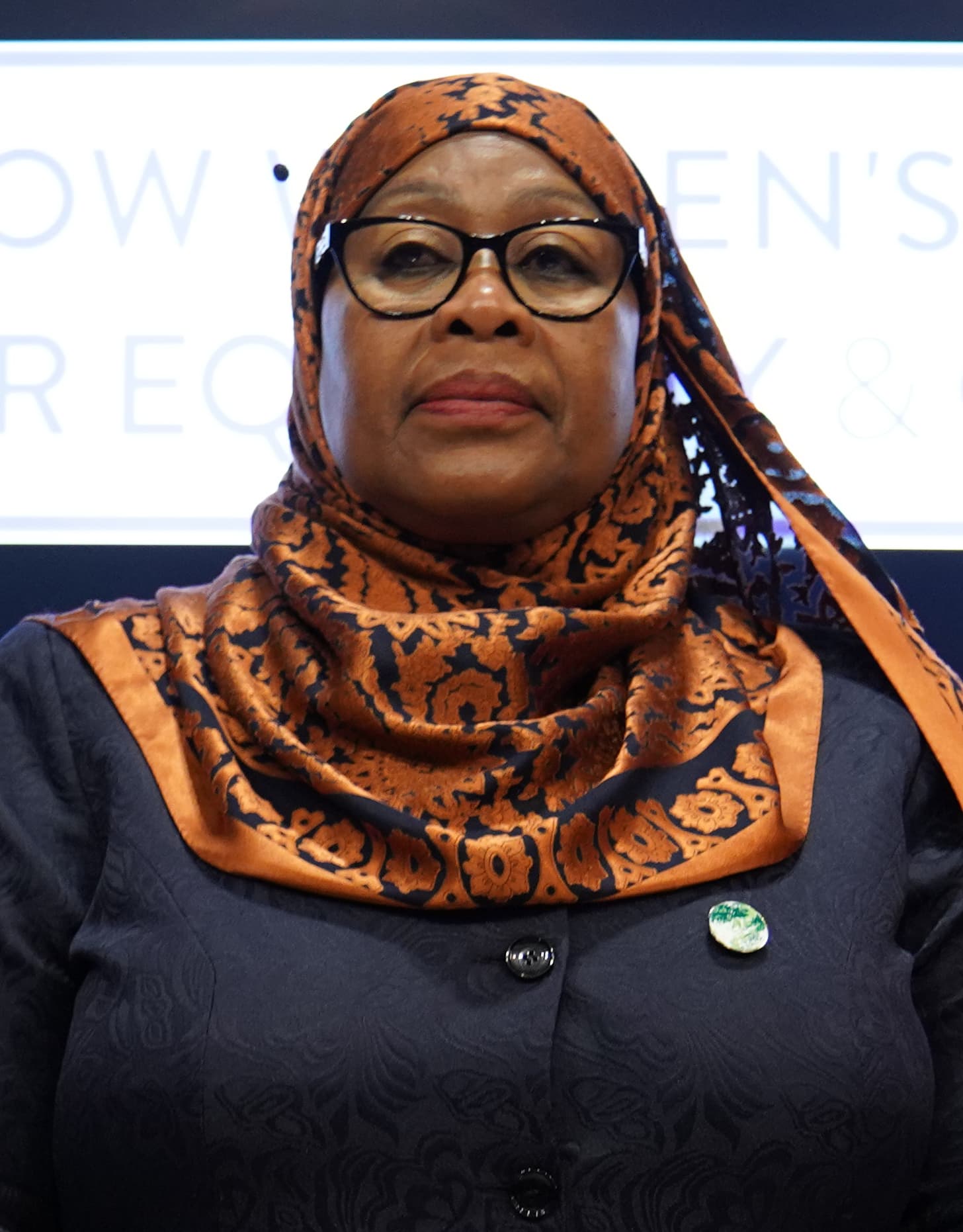
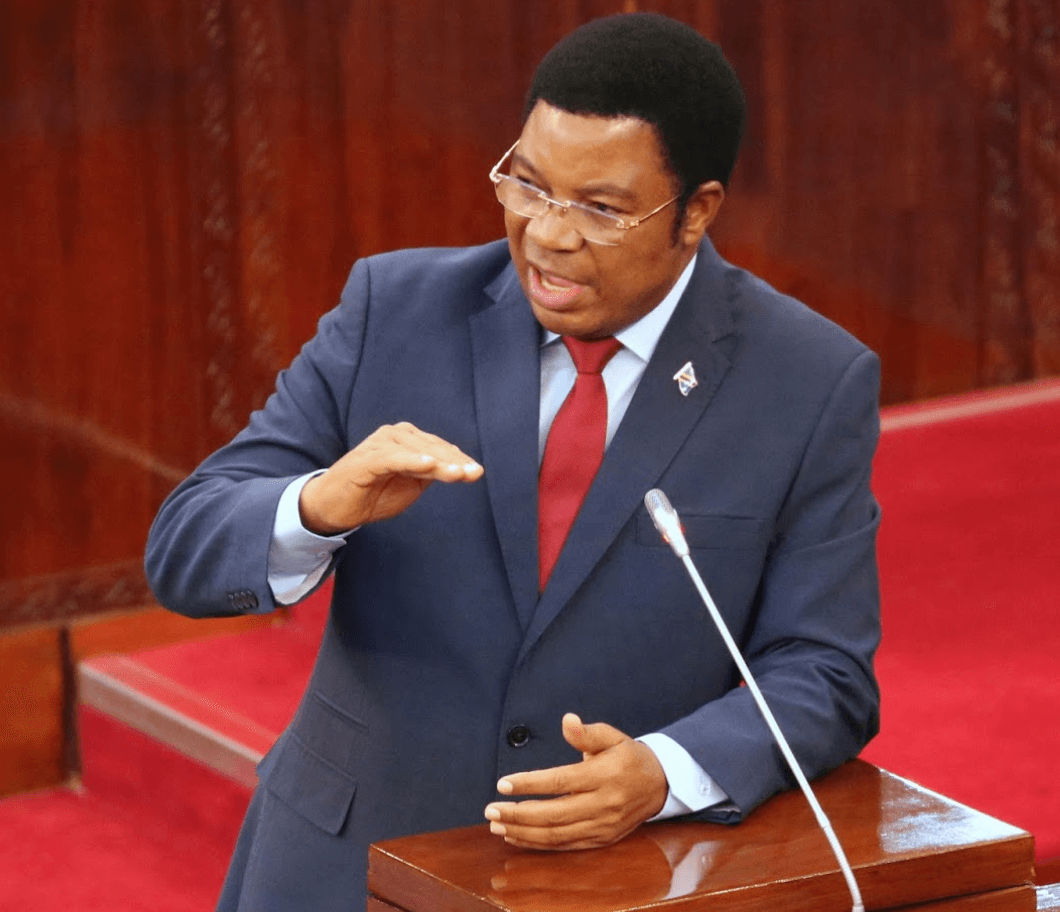
The commemoration served as a poignant reminder of the "Magufuli era," a transformative and tempestuous period that shifted the tectonic plates of Tanzanian politics. While his supporters celebrate the aggressive restoration of state authority and the modernization of infrastructure, critics continue to reflect on the erosion of democratic space and the centralized power dynamics that characterized his administration. For the gathered officials, including former Vice-President Dr. Philip Mpango and former Prime Minister Kassim Majaliwa, the focus remained on a singular narrative: a leader who demanded ironclad accountability and prioritized the national treasury over the comforts of the political elite.
At the heart of the tribute was a recalibration of Magufuli’s economic record, specifically his obsession with revenue collection and the reduction of state waste. Dr. Mpango, reflecting on his tenure as the Commissioner General of the Tanzania Revenue Authority (TRA) and later as Minister for Finance and Planning, framed Magufuli not as a politician, but as a relentless financial overseer. The narrative provided by the former Vice-President highlighted the stark mechanics of Magufuli’s "Hapa Kazi Tu" (Work Only) doctrine.
According to figures presented during the commemoration, the impact of these policies was immediate and structural. The administration’s drive to formalize the economy and curb leakages yielded significant shifts in national revenue performance, setting a benchmark that remains a reference point for current policymakers in Dodoma.
These figures, while impressive, offer only a partial view of the fiscal landscape. Economists at the University of Dar es Salaam note that while revenue mobilization increased, the aggressive nature of the tax regime—often labeled as punitive by the private sector—resulted in a liquidity crunch for many small and medium enterprises. The challenge for successive administrations has been to maintain this fiscal efficiency without stifling the entrepreneurial spirit that fuels the East African economy.
Magufuli’s physical footprint on the Tanzanian landscape remains the most visible aspect of his tenure. He envisioned infrastructure not as a utility, but as a statement of national sovereignty. The prioritization of mega-projects, often funded by the savings he touted, was intended to decouple Tanzania from its reliance on fragmented logistics and unreliable energy.
However, the rapid acceleration of these projects came at a cost. The intense pressure to deliver results within constrained timeframes often bypassed traditional consultative processes. Observers note that while the SGR and the power projects have placed Tanzania on a path toward industrialization, the debt burden incurred to sustain this momentum remains a critical variable for current Finance Minister officials to manage. The trade-off between rapid development and fiscal sustainability is a debate that has transcended Magufuli’s death, influencing how the current government approaches new public-private partnerships.
For a Nairobi-based observer, the Magufuli years were marked by a complex, often frosty relationship between the two East African powerhouses. During his tenure, trade barriers, disputes over maize imports, and intermittent border closures created friction in the East African Community (EAC). His protectionist stance, rooted in a "Tanzania-first" ideology, often clashed with the regional integration aspirations championed by Nairobi and Kigali.
Yet, in retrospect, the regional dynamics have shifted. Diplomats in Arusha suggest that Magufuli’s confrontational style forced a necessary conversation regarding the imbalances in EAC trade protocols. His insistence on fair treatment for Tanzanian goods arguably compelled the regional bloc to address long-standing grievances that had been papered over by diplomatic pleasantries. While the current administration under President Samia Suluhu Hassan has adopted a more conciliatory "open-for-business" posture, the foundational work of protecting domestic production—a hallmark of Magufuli’s philosophy—remains a cornerstone of the current government’s trade policy.
The fifth anniversary of his death is more than a ceremonial observance it is a moment of political inventory. The leaders who praised him in Chato—men who served at the highest echelons of his administration—are navigating a landscape that is slowly moving out from under his long shadow. They champion the discipline, the fear of God, and the unyielding patriotism he demanded, even as the nation grapples with the complexities of liberalization and the widening of political discourse.
Whether one views him as a flawed giant or an essential architect of a modern state, Magufuli’s tenure remains the yardstick against which all future Tanzanian presidents will be measured. The question that lingers in the minds of East Africans is not whether his policies were perfect, but whether the model of high-speed, top-down development he championed is sustainable in a global economy that increasingly demands consensus, transparency, and collaborative governance.
Keep the conversation in one place—threads here stay linked to the story and in the forums.
Sign in to start a discussion
Start a conversation about this story and keep it linked here.
Other hot threads
E-sports and Gaming Community in Kenya
Active 10 months ago
The Role of Technology in Modern Agriculture (AgriTech)
Active 10 months ago
Popular Recreational Activities Across Counties
Active 10 months ago
Investing in Youth Sports Development Programs
Active 10 months ago
Key figures and persons of interest featured in this article