We're loading the full news article for you. This includes the article content, images, author information, and related articles.
A catastrophic collision near Safari Park on the Thika Superhighway left several commuters severely injured after a commercial lorry crashed into a passenger bus, spotlighting the chronic infrastructural and enforcement failures on one of East Africa's busiest transit corridors.
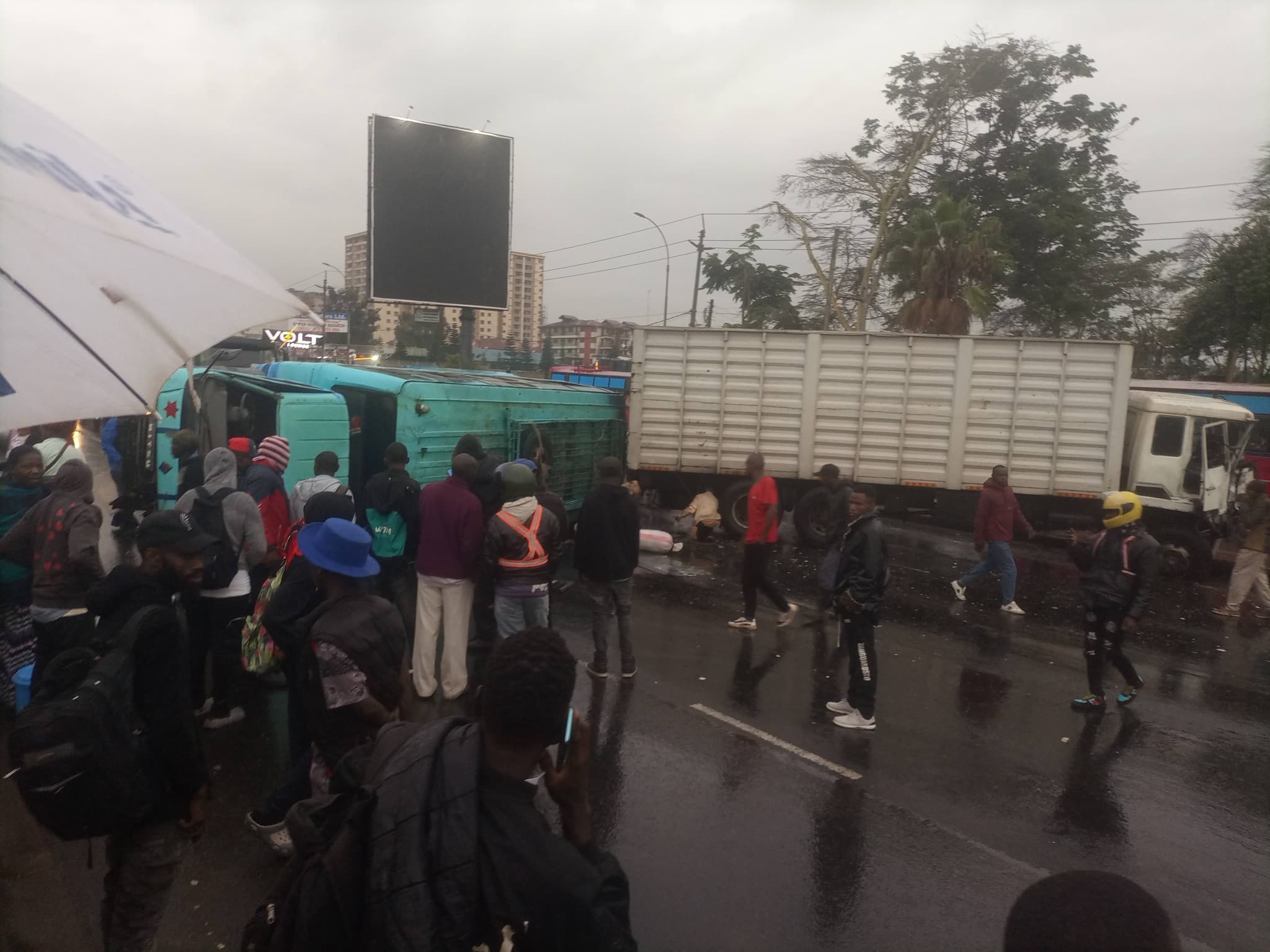
A catastrophic collision near Safari Park on the Thika Superhighway left several commuters severely injured after a commercial lorry crashed into a passenger bus, spotlighting the chronic infrastructural and enforcement failures on one of East Africa's busiest transit corridors.
The morning commute turned into a nightmare as a high-speed collision abruptly halted traffic on Kenya's premier highway. Paramedics rushed to the scene by 09:00 EAT as the injured were hastily evacuated from the mangled wreckage of the public service vehicle.
This incident is not merely an isolated tragedy; it is a stark reminder of the escalating road safety crisis gripping the nation. As urbanization outpaces regulatory enforcement, the cost of systemic negligence is increasingly paid in human lives, demanding immediate structural intervention and accountability from transport sector stakeholders.
Initial reports indicate that the commercial lorry, potentially suffering from acute mechanical failure, ploughed directly into the rear of the passenger bus as it navigated the busy Safari Park stretch. Eyewitnesses recounted a sudden, deafening impact followed by widespread chaos as panicked commuters scrambled to exit the heavily damaged vehicle amidst shattered glass and twisted metal.
Emergency medical responders arrived at the scene shortly after the crash, battling severe gridlock to access the victims. Several passengers were swiftly transported to nearby medical facilities, with injuries ranging from minor lacerations to severe blunt force trauma. Law enforcement officers from the Kasarani traffic division immediately cordoned off the area to facilitate rescue operations and commence preliminary investigations.
Authorities have initiated a comprehensive forensic investigation to determine the exact sequence of events that precipitated the crash. Preliminary assessments are heavily focusing on the lorry's braking system integrity and the driver's adherence to statutory speed regulations on the multi-lane superhighway, which frequently sees commercial vehicles flouting safety limits.
Beyond the immediate, devastating human suffering, road accidents on major economic arteries like Thika Road inflict a heavy, compounding economic burden on the nation. The resultant traffic paralysis disrupts crucial supply chains, delays commercial logistics, and hemorrhages millions of shillings in lost daily productivity.
Thika Road, originally designed to be a seamless catalyst for economic growth and regional integration, frequently becomes a paralyzing choke point when accidents occur. The lack of dedicated, unobstructed emergency response lanes further exacerbates the situation, critically delaying life-saving care and extending the duration of traffic snarl-ups for hours.
The recurrent nature of such high-speed collisions points to glaring, persistent gaps in regulatory oversight. Despite the active presence of the National Transport and Safety Authority, compliance with mandatory vehicle maintenance standards remains dismally low, particularly among the heavy commercial vehicle sector.
Many transport operators, squeezed tightly by rising global fuel costs and domestic economic pressures, routinely cut corners on critical vehicle maintenance. The widespread proliferation of counterfeit vehicle spare parts further compromises overall safety, effectively turning heavy transport trucks into ticking time bombs navigating high-speed metropolitan corridors alongside fragile passenger vehicles.
There is a growing, vocal consensus among local road safety advocates that punitive legal measures must be coupled with sweeping systemic reforms. This includes the implementation of mandatory digital logs for commercial vehicle maintenance, stricter vetting of heavy-duty driver qualifications, and regular, unannounced roadworthiness inspections at key transit weighbridges.
The national government must urgently prioritize the deployment of intelligent, automated traffic management systems. Automated speed enforcement cameras, real-time tracking of heavy commercial vehicles, and the establishment of dedicated rapid response units at strategic highway intervals could drastically reduce the frequency and severity of fatality rates.
Furthermore, nationwide civic education campaigns must be aggressively intensified to cultivate a deeply ingrained culture of safety among all road users. The heavy responsibility for road safety is shared equitably, and without a unified, collective commitment from both the state and the citizenry, the tarmac will tragically continue to claim innocent lives.
"We cannot normalize the continuous slaughter on our highways; every life lost is an indictment of our collective failure to enforce the law," stated a leading road safety advocate based in Nairobi.
Keep the conversation in one place—threads here stay linked to the story and in the forums.
Sign in to start a discussion
Start a conversation about this story and keep it linked here.
Other hot threads
E-sports and Gaming Community in Kenya
Active 9 months ago
The Role of Technology in Modern Agriculture (AgriTech)
Active 9 months ago
Popular Recreational Activities Across Counties
Active 9 months ago
Investing in Youth Sports Development Programs
Active 9 months ago