We're loading the full news article for you. This includes the article content, images, author information, and related articles.
The UK government has sanctioned key commanders from Sudan’s warring factions, aiming to dismantle the financial and logistical networks fueling a conflict that has displaced millions.
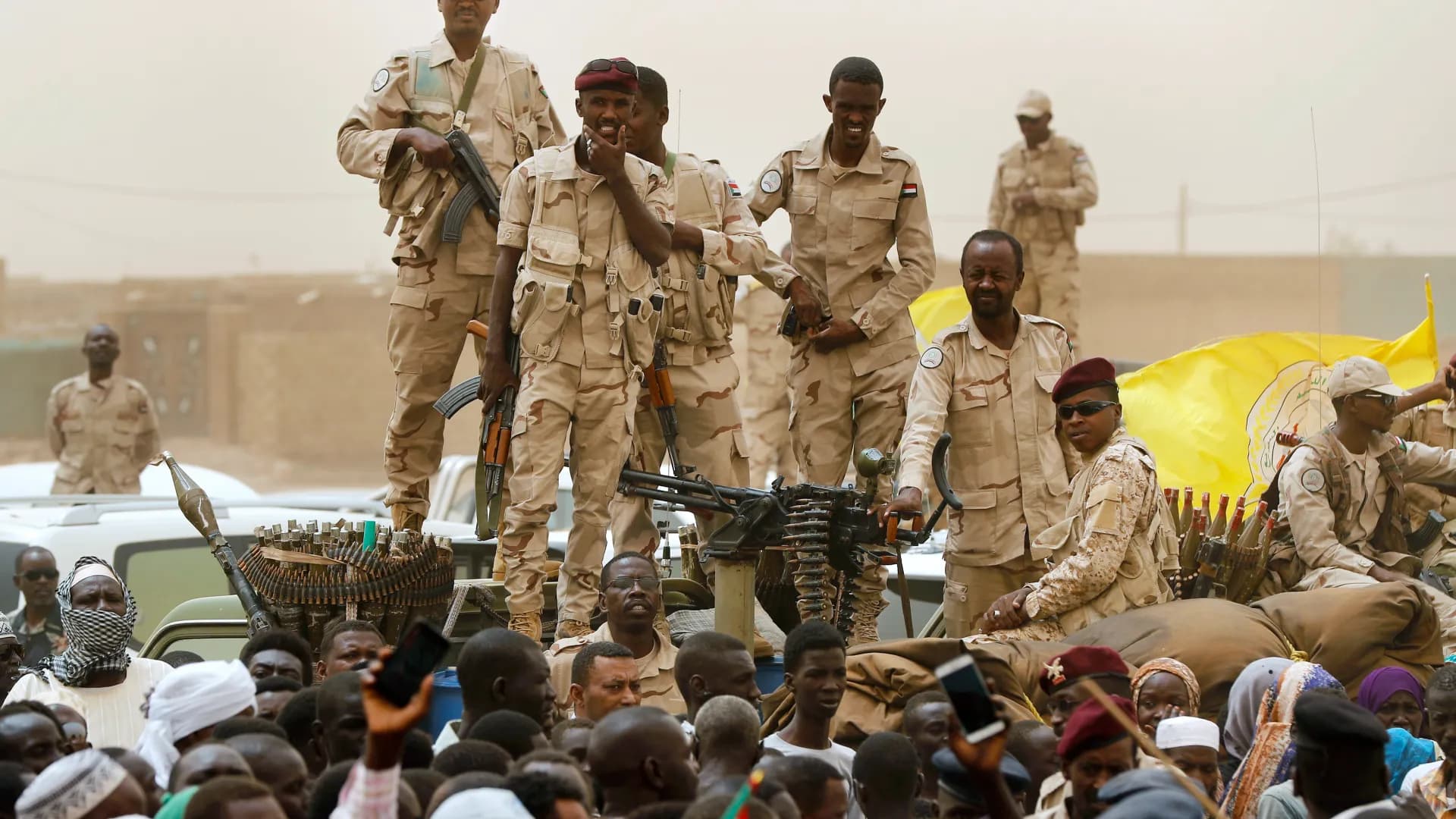
In a decisive move to choke the war machine devastating Sudan, the United Kingdom has imposed sweeping sanctions on military and paramilitary commanders accused of orchestrating atrocities and fueling the bloody civil war.
The conflict in Sudan, which erupted in April 2023, has transformed from a power struggle into a humanitarian catastrophe of biblical proportions. On Thursday, the British government signaled its intent to hold the architects of this chaos accountable, freezing the assets of six senior commanders from both the Sudanese Armed Forces (SAF) and the Rapid Support Forces (RSF). The sanctions target those who have not only directed the violence but have also profited from the industrial-scale suffering of the Sudanese people.
Among those designated are RSF commanders accused of leading campaigns of ethnic cleansing in Darfur, where the ghosts of the early 2000s genocide have resurfaced with terrifying ferocity. The measures also hit SAF generals who have relied on indiscriminate aerial bombardments in densely populated civilian areas. "We urgently need a ceasefire," declared UK Foreign Minister Yvette Cooper, emphasizing that the sanctions are designed to "dismantle the war machine" by cutting off the financial lifelines that sustain the carnage.
The new list of designated individuals reads like a rogues' gallery of the conflict’s most brutal operators. It includes Abu Aqla Mohamed Kaikal, a former RSF commander now leading the Sudan Shield Forces, and Hussein Barsham, a field commander notorious for his role in the scorched-earth tactics used in Kordofan. Also sanctioned is Mustafa Ibrahim Abdel Nabi Mohamed, an RSF financial advisor whose ledger books are allegedly stained with blood.
Crucially, the UK has expanded the scope of its net to include international enablers. Three individuals—Alvaro Andres Quijano, Mateo Andres Duque Botero, and Claudia Viviana Oliveros Forero—have been sanctioned for their role in recruiting foreign mercenaries. This underscores the increasingly transnational nature of the conflict, where soldiers of fortune are imported to kill for the highest bidder.
The timing of these sanctions is critical. The United Nations recently warned that famine thresholds have been surpassed in parts of North Darfur, with millions more teetering on the brink of starvation. The war has displaced over 11 million people, creating the world’s largest displacement crisis. Yet, diplomatic efforts to secure a lasting truce have repeatedly collapsed under the weight of broken promises and bad faith.
As the international community watches, the message from London is clear: impunity has an expiration date. However, for the mothers in displacement camps in Chad and the families trapping in the rubble of Omdurman, sanctions are a distant abstraction. What they need is an end to the bombs, the hunger, and the fear that has become their daily reality.
Keep the conversation in one place—threads here stay linked to the story and in the forums.
Sign in to start a discussion
Start a conversation about this story and keep it linked here.
Other hot threads
E-sports and Gaming Community in Kenya
Active 9 months ago
The Role of Technology in Modern Agriculture (AgriTech)
Active 9 months ago
Popular Recreational Activities Across Counties
Active 9 months ago
Investing in Youth Sports Development Programs
Active 9 months ago