We're loading the full news article for you. This includes the article content, images, author information, and related articles.
The UK targets the architects of the El Fasher massacres, casting a harsh spotlight on Kenya’s controversial engagement with the paramilitary group that has cost local tea farmers billions.

The United Kingdom has slapped severe sanctions on four senior commanders of Sudan’s Rapid Support Forces (RSF), citing irrefutable evidence of “heinous” war crimes including mass executions and systematic sexual violence. For Nairobi, however, this is more than just a distant geopolitical development—it is a diplomatic aftershock that exposes the high cost of Kenya’s perceived alignment with the very forces now branded as international pariahs.
The sanctions, announced Friday by the UK Foreign Office, target the inner circle of the RSF leadership responsible for the brutal siege of El Fasher. While London moves to isolate these commanders, the ripple effects are being felt in Kenyan households, particularly among tea farmers who have seen their lucrative Sudanese market evaporate amidst the diplomatic fallout.
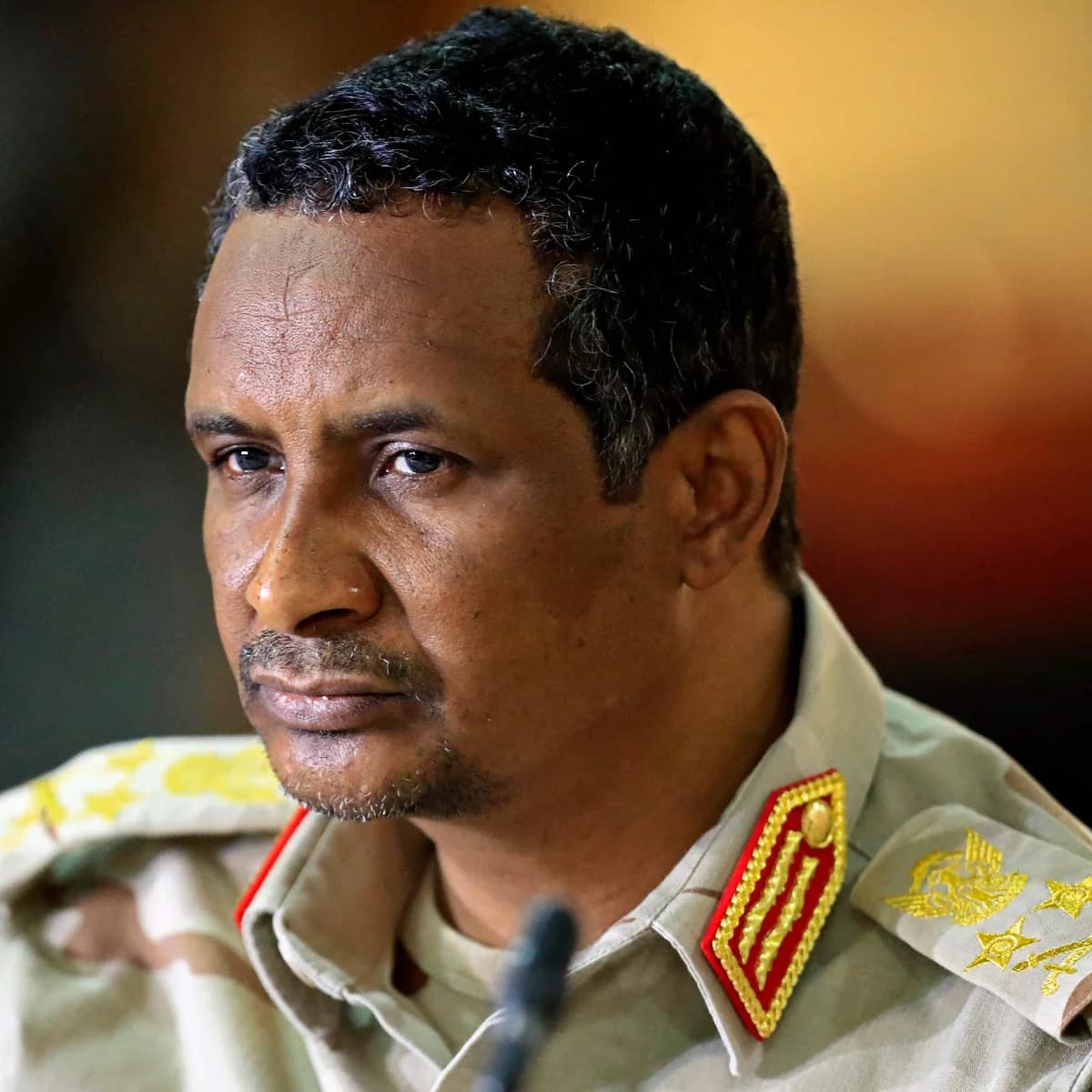
At the top of the sanctions list is Abdul Rahim Hamdan Dagalo, the RSF’s deputy leader and brother to the group’s head, Mohamed Hamdan Dagalo (Hemedti). He is joined by three other high-ranking officers:
These men are accused of orchestrating the terrifying campaign in El Fasher, where British intelligence estimates at least 60,000 civilians may have been slaughtered. UK Foreign Secretary Yvette Cooper described the atrocities—which include the burning of mass graves and the calculated use of rape as a weapon of war—as crimes that “scar the conscience of the world.”
Under the new measures, any assets these commanders hold in the UK are frozen, and they are banned from entering the country. While the immediate financial impact on them may be limited, the symbolic weight is crushing, signaling a unified Western stance against the RSF’s legitimacy.
For Kenya, the timing is awkward, if not damning. President William Ruto’s administration has faced intense scrutiny for its handling of the Sudan crisis. In February 2025, Nairobi hosted RSF delegates to sign a charter for a “parallel government,” a move that infuriated the Sudanese Armed Forces (SAF) in Khartoum.The consequences were swift and painful. Sudan, traditionally a top buyer of Kenyan tea, retaliated by banning imports—a trade war that has cost Kenyan exporters billions of shillings. The discovery of ammunition crates marked with “Ministry of Defence - Kenya” in RSF depots earlier in June further muddied the waters, despite government denials.
“Kenya attempted to play the neutral arbiter but ended up alienating the recognized government in Khartoum,” notes Dr. Hassan Oduor, a regional security analyst in Nairobi. “Now that the UK has formally designated these RSF leaders as war criminals, Kenya’s hospitality toward them looks less like mediation and more like complicity. It puts us in a very difficult spot diplomatically.”
Beyond the high-level politics, the situation on the ground in Sudan remains apocalyptic. The UK has pledged an additional £21 million (approx. KES 3.6 billion) in humanitarian aid to support the millions displaced by the fighting. This funding aims to provide food, shelter, and protection for women and children in the hardest-to-reach areas.
For the average Kenyan, the connection is clear: instability in Sudan means lost markets for our goods and a potential influx of refugees that strains our own resources. The tea sector alone has taken a massive hit, with warehouses in Mombasa stuck with stock that used to flow freely to Khartoum.
As the international community tightens the noose around the RSF leadership, Nairobi faces a critical choice: recalibrate its foreign policy to align with global accountability efforts, or risk further isolation. As Cooper bluntly put it, “The UK will not look away.” The question remains—can Kenya afford to?
Keep the conversation in one place—threads here stay linked to the story and in the forums.
Sign in to start a discussion
Start a conversation about this story and keep it linked here.
Other hot threads
E-sports and Gaming Community in Kenya
Active 9 months ago
The Role of Technology in Modern Agriculture (AgriTech)
Active 9 months ago
Popular Recreational Activities Across Counties
Active 9 months ago
Investing in Youth Sports Development Programs
Active 9 months ago
Key figures and persons of interest featured in this article